
Feeling nervous before a Charity Challenge is completely normal. Whatever you’re worrying about, you can be pretty sure someone else is feeling the same way.
Even seasoned adventurers often find themselves anxious on day one – whether it’s about blisters, getting lost, or meeting new people.
The good news? Most concerns are easily managed with a little preparation and the right mindset.
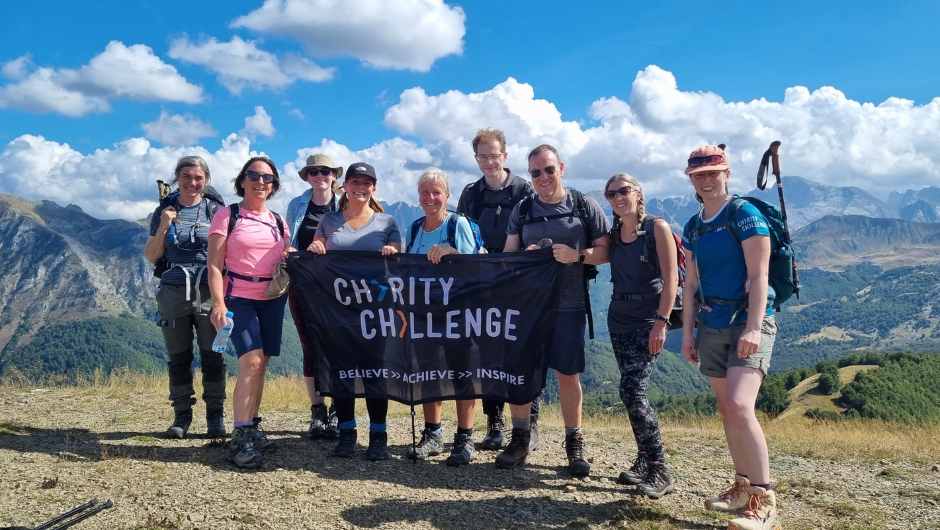
I Won’t Know Anyone
If you’re worried about arriving and not knowing anyone, Charity Challenge’s “Get Connected” platform is a great first step. From here, you can view the details fellow challengers have chosen to share and get in touch and start breaking the ice before the challenge begins.
Some past challengers have found that meeting even just a few people in advance significantly eases their nerves. Others prefer to stay quiet until the challenge begins – either way, by the end of the challenge, you’re almost guaranteed to have made friends for life.
Tip: WhatsApp groups can get intense! Don’t hesitate to mute notifications if it becomes overwhelming.
Training weekends or days with fellow participants beforehand also help dispel nerves and give you a feel for the group dynamic.
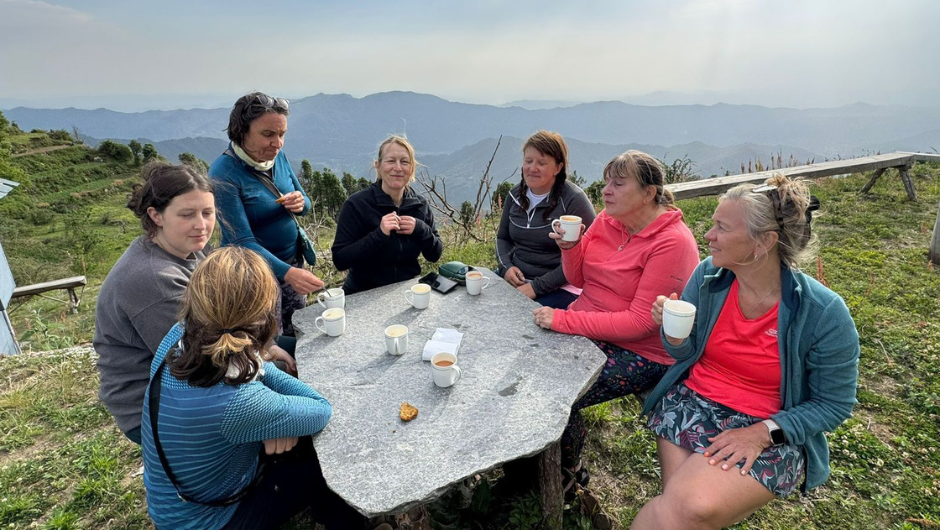
Will I Meet Like Minded People?
Be kind to yourself – you are worthy of friendship. Keep an open mind, avoid polarising topics like politics or religion, and be a good listener. Most people will gravitate toward someone who’s approachable and positive.
And if someone isn’t your cup of tea? That’s fine too – focus on enjoying the experience for yourself, not seeking approval from everyone around you.
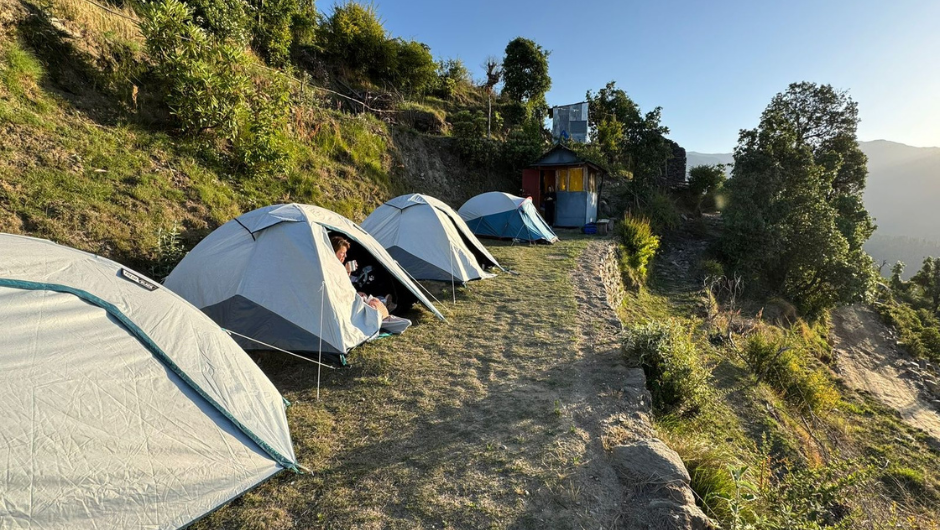
Sharing a Room or a Tent
Sharing a sleeping space can feel daunting, especially if it’s been years since you last shared a dorm or cabin. Keep your kit tidy, put your phone on silent, and avoid shining torches into sleeping spaces.
Snoring? Bring earplugs – and maybe even a spare pair for your tent buddy. A little patience goes a long way, and most trekkers sleep deeply after long days of exercise.
If you’re worried about the journey leaving you exhausted, discuss options with your pharmacist. Short-term sleep aids or antihistamines can help you get some rest on planes, trains, or coaches.
*NB do not take sleeping tablets at altitude because they can interfere with your breathing.
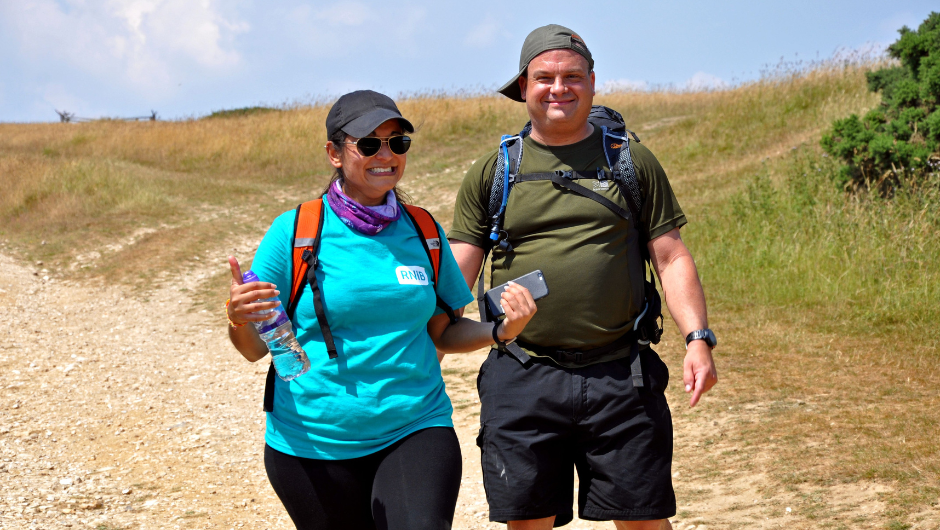
Missing Home
Many challengers find a digital detox surprisingly freeing. Sending daily updates to loved ones can create pressure, so limiting communication often helps.
Others bring small comforts: a photo, a cuddly toy from their child, or even a daily card from a partner. These reminders can ease homesickness and give you a sense of connection while fully immersing yourself in the challenge.
Remember: this challenge is for you, and taking time to focus on yourself strengthens your relationships back home, too.
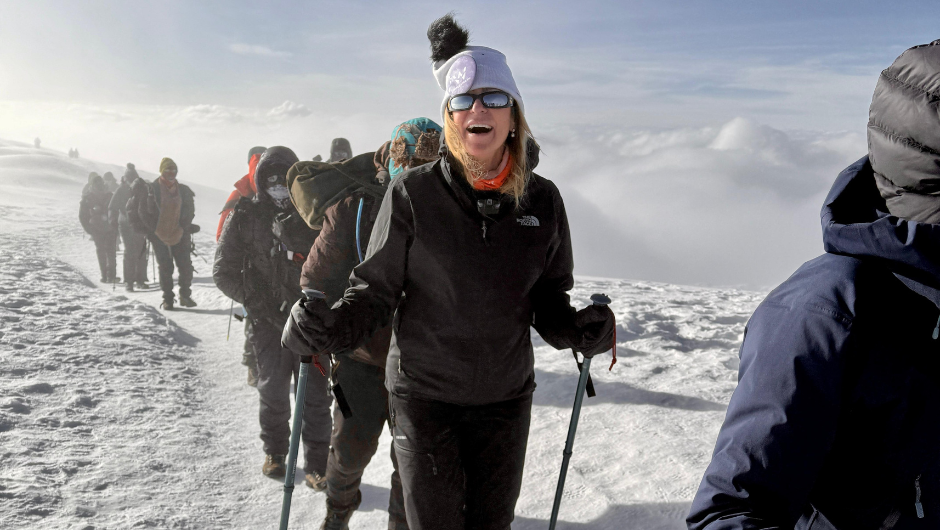
Stepping Out Of Your Comfort Zone
Trekking and cycling challenges push boundaries, and that’s part of the fun. Neale Donald Walsch said life begins at the end of your comfort zone – and that’s certainly true on these adventures.
Expect moments of “type 2 fun”: not enjoyable at the time but immensely rewarding afterward. By the end, you’ll likely have experienced a mix of challenges, laughter, and a great deal of satisfaction.
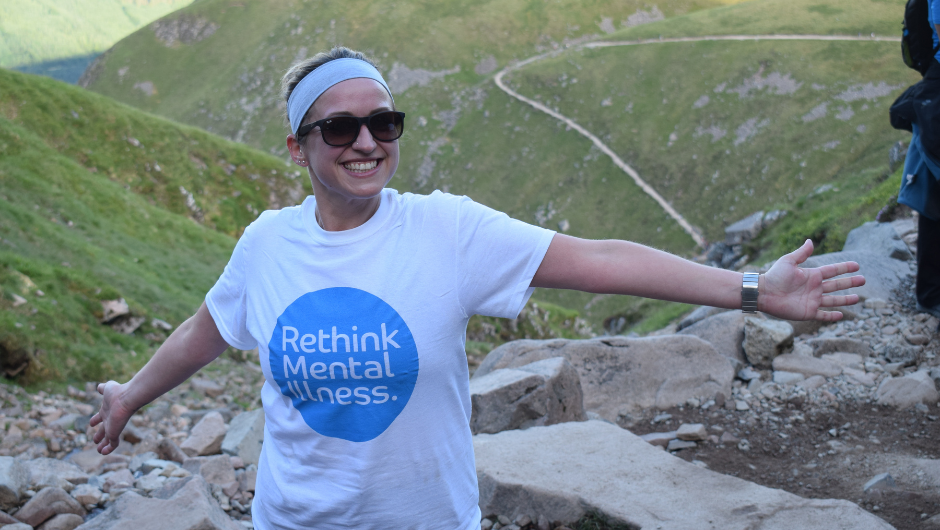
Mental Health and Support
Know your limits and communicate any concerns to your challenge leaders. They’re experienced in managing sensory overload, anxiety, or other specific needs.
Many participants are fundraising for causes close to their hearts. Sharing your motivation can be a powerful, healing experience – even if it feels stressful before the challenge.
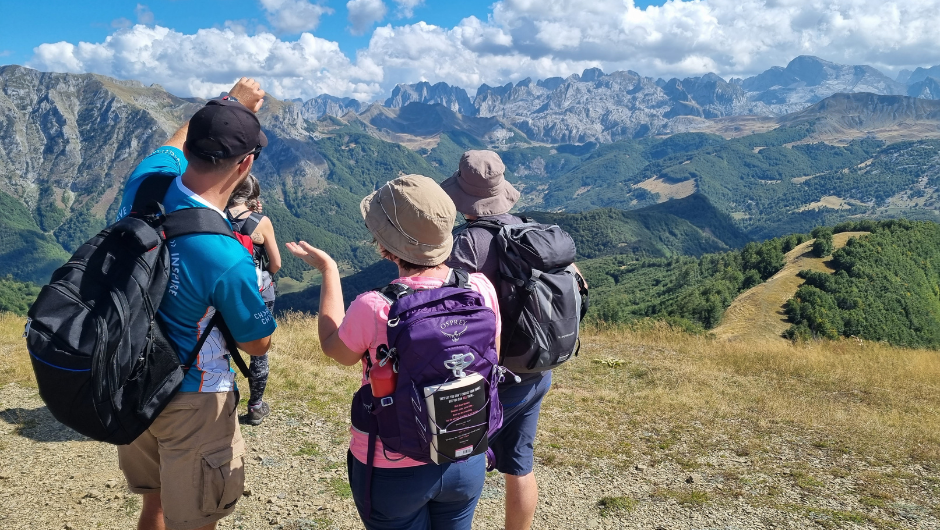
Fitness Concerns
Worried about keeping pace? Trekking and cycling groups move at the speed of the slowest participant, so there’s no need to stress about being slower. Training helps, but even if you encounter fitter participants, focus on doing your best.
Efficiency at rest stops can make a real difference: take care of layering, snacks, or pain relief quickly so the group can move on without delay.
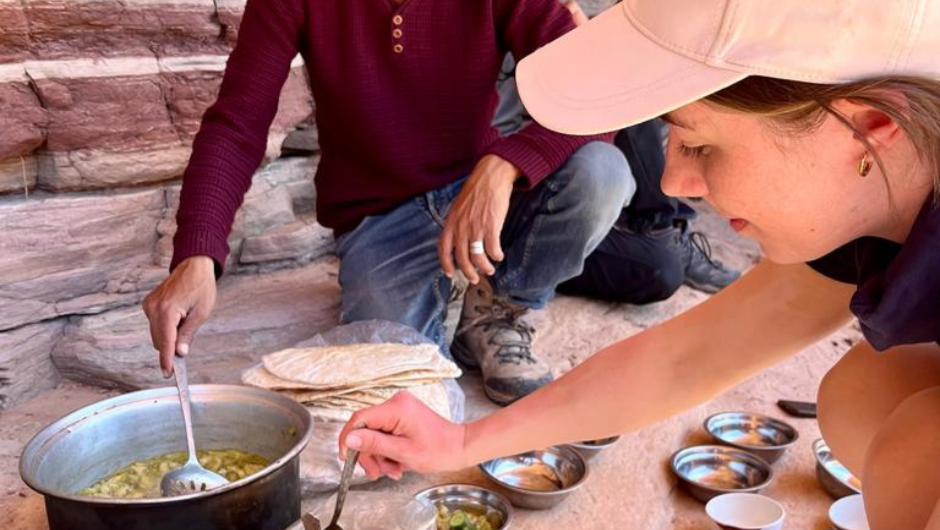
Challenge Logistics and Comfort
- Toilets, Menstrual Support & Nature Breaks: Privacy is provided, and leaders support you discreetly.
- Upset Stomach: Medical support is available, and you’ll never be left alone.
- Showers: Daily showers are a luxury – embrace the simplicity of outdoor life.
- Blisters & Boots: Stop immediately if discomfort arises. Leaders can advise on taping or lacing adjustments.
- Food & Water: Try new foods with an open mind. If you have dietary restrictions, the catering team will help.
- Creepy Crawlies: Insect repellent and appropriate clothing protect you. Sharing laughs with tent buddies often turns fear into a fond memory.
- Kit List: Check carefully – you often need fewer clothes than expected. Pack for yourself, not the group.
- Cold Nights: A simple hack – fill a spare water bottle with boiling water, wrap it in a sock, and tuck it into your sleeping bag.
Pressure and Performance
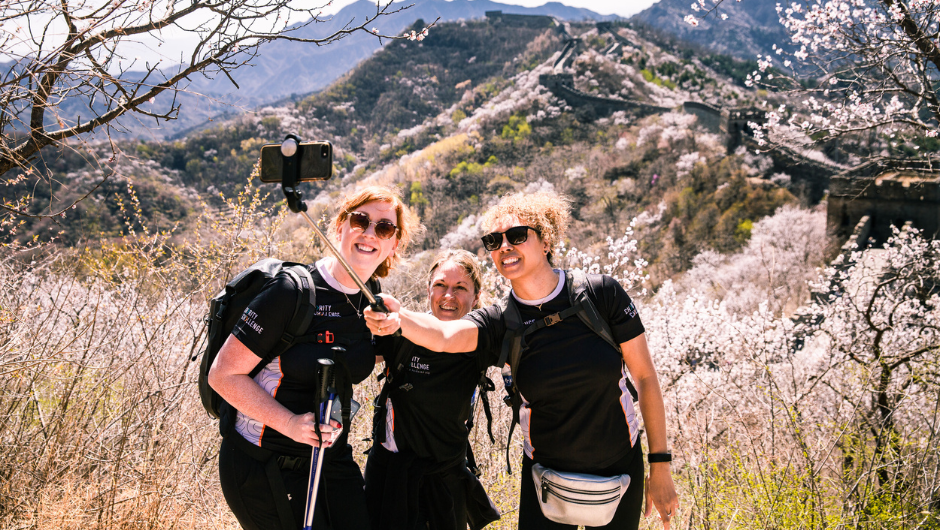
Some worry about letting sponsors down or keeping up with the group. Remember, effort counts more than speed. Those who struggle may need extra rest, and that deserves celebration too.
Trekking or cycling is a challenge by nature – not everyone will experience it the same way.
Fear Of The Unknown
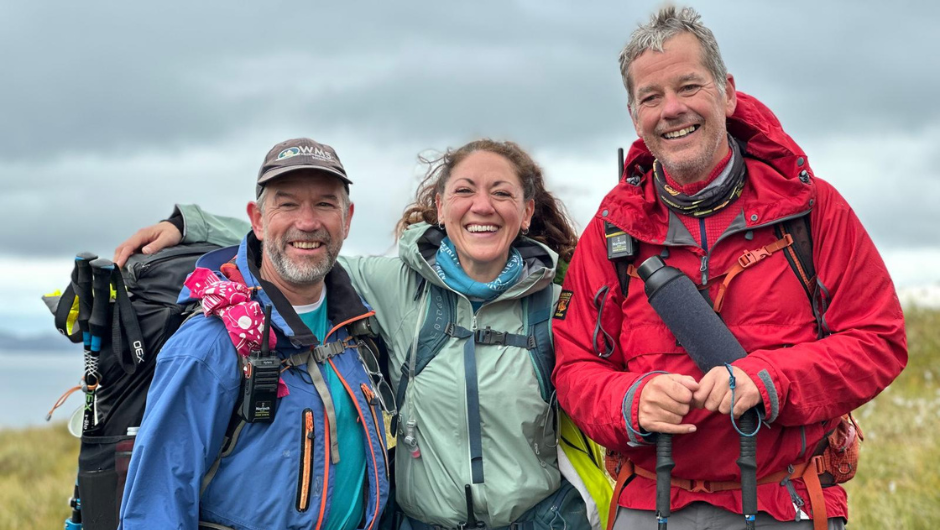
The unknown can feel intimidating, but don’t let it spoil the moment. Immerse yourself in the challenge, switch off from everyday life, and focus on the experience. Be open to however things evolve.
Breaking things down into manageable steps makes it all feel achievable, and your leaders will guide you calmly throughout.
Final Thoughts
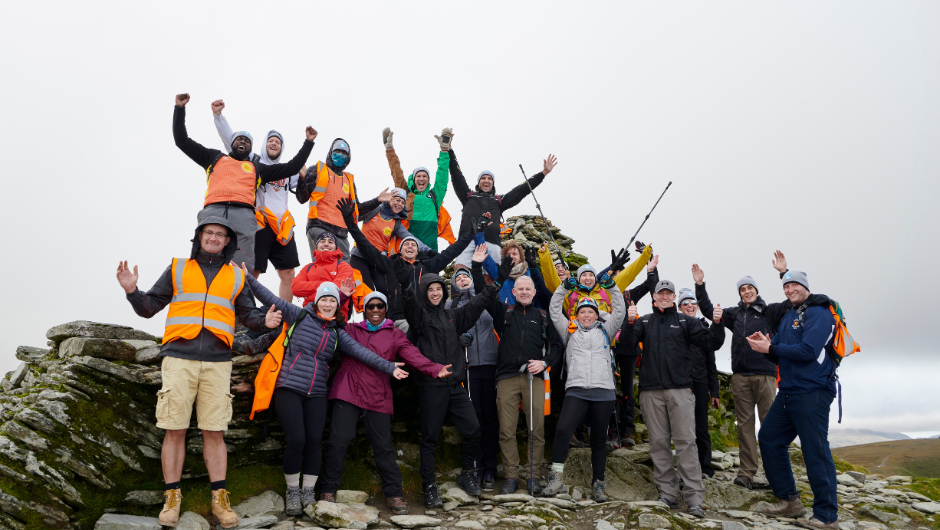
Nerves and anticipation are normal, but most fears fade once the trek begins. Focus on the journey, not the what-ifs, and remember:
- You’re not alone – every participant feels nervous at first.
- Challenge leaders are there to support and guide you.
- Challenges are personal – measure your success by your effort, not anyone else’s pace.
- Enjoy the experience – it’s a once-in-a-lifetime opportunity to make memories, friendships, and personal growth.
By the end of the trek, those initial anxieties will be replaced by pride, laughter, and stories to share for years to come! Ready to turn those nerves into something incredible? Take that first step and choose your Charity Challenge today.
By Lizzy Codd, Challenge Leader





No Comments