
Mental preparation is often overlooked when training for a challenge, but it’s just as important as physical fitness.
At its core, preparing mentally is about reducing uncertainty, building confidence, and knowing you’re ready – not just to complete the challenge, but to actually enjoy it.
You can’t control everything on a challenge, but you can control how prepared you feel going into it.

Understand What You’ve Signed Up For
One of the biggest causes of pre-challenge anxiety is simply not knowing what to expect. Clarity brings calm, so take the time to properly understand the basics of your challenge. That means getting familiar with the itinerary, the type of terrain you’ll be covering, and the likely weather conditions – whether that’s a wet and windy UK hillside or something more extreme overseas.
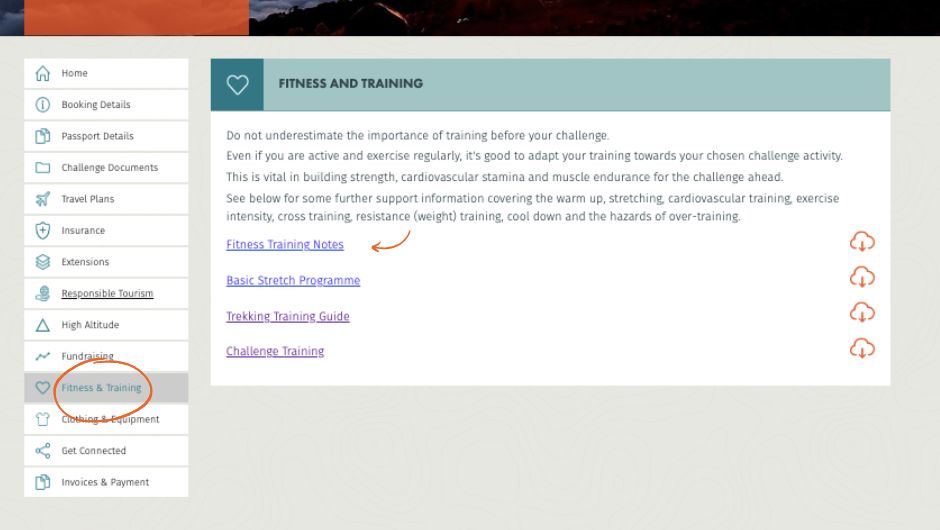
It’s also worth paying close attention to the recommended training and kit list. These aren’t just suggestions – they’re there to help you succeed. Your Participant Account Area holds all of this information and more to help you best prepare. That said, even the best planning doesn’t eliminate surprises. Things don’t always go exactly to plan on a trek. The key is to expect the occasional “speed bump” rather than seeing it as a stop sign.

Make Use of Our Expert Advice
Within your Participant Account Area, you’ll find our Tips & Advice hub – which brings together over 27 years of expert insight from experienced Charity Challenge leaders, our head office team, and past participants who have successfully taken on challenges around the world. From kit recommendations and training guidance, to nutrition, wellbeing, recovery and destination-specific advice, you’ll find everything you need to feel informed, confident, and ready for your adventure. Whether you’re just getting started or counting down to departure, this is your go-to resource for making the most of your challenge experience!

Train in Less-Than-Perfect Conditions
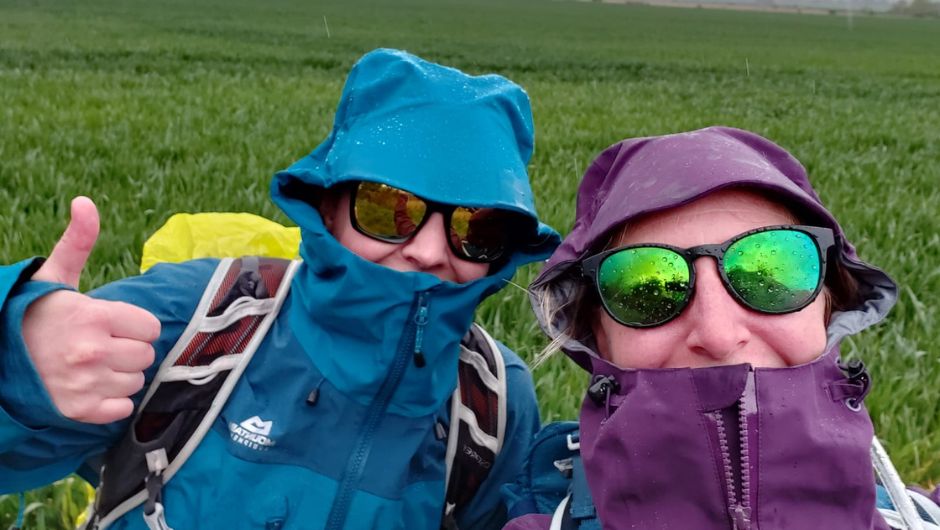
It’s easy to head out for training when the weather is dry and sunny. But that’s not always what you’ll get on challenge day, especially in the UK.
Training in wind, rain, cold mornings, or tired legs helps you build resilience. When you’ve experienced those conditions before, they feel manageable rather than overwhelming.
You don’t need to seek out misery but don’t avoid it either. A bit of discomfort in training pays off massively when it counts.
Build Familiar Systems
A lot of stress on a trek doesn’t come from the walking itself – it comes from small uncertainties. Where’s that layer? Why does my pack feel wrong? What should I eat now?
The more familiar your systems are, the less mental energy you waste. That means:
- Training with your full kit
- Practising how you pack your bag
- Getting used to your layering system
- Working out what food and snacks suit you
When everything feels familiar, you free up headspace to focus on the experience rather than the logistics.

Prepare – But Don’t Overtrain
There’s a fine balance between feeling ready and feeling exhausted. Good physical preparation builds confidence. But turning up to your challenge already tired from overtraining can knock that confidence quickly.
In the lead-up to your challenge, it’s worth easing off slightly. Prioritise sleep, keep your training consistent, and avoid the temptation to squeeze in just one more big session. You want to arrive feeling ready – not drained!
Break the Challenge Down
One of the quickest ways to feel overwhelmed is to think about the entire challenge all at once. Instead, keep your focus small and manageable.
Think in terms of:
- One day at a time
- One climb at a time
- One section at a time
Progress builds momentum. Before you know it, those smaller steps add up to something much bigger.
Final Thoughts
Mental preparation isn’t about eliminating nerves – it’s about managing them. The more you understand your challenge, practise in realistic conditions, and build familiar routines, the more confident you’ll feel when it begins.
Keep it simple. Prepare well. Stay flexible.
And when things don’t go exactly to plan – because sometimes they won’t – remember that’s all part of the challenge experience.
By Adam Cristol, Challenge Leader






No Comments