
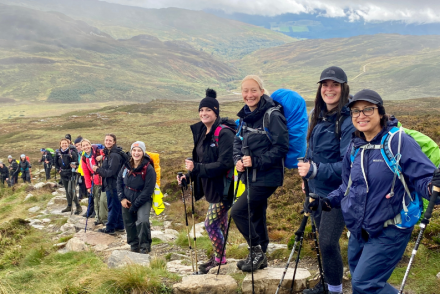
Your daypack is one of the most important pieces of kit you’ll take on a trek. You’ll be wearing it every single day, often for hours at a time, carrying everything you need to get through the day – from water and snacks to layers and essentials. If it doesn’t fit properly, you’ll feel it quickly.
And the reality is, there’s no such thing as one size fits all. So, how to choose the right daypack? Keep reading to find out…
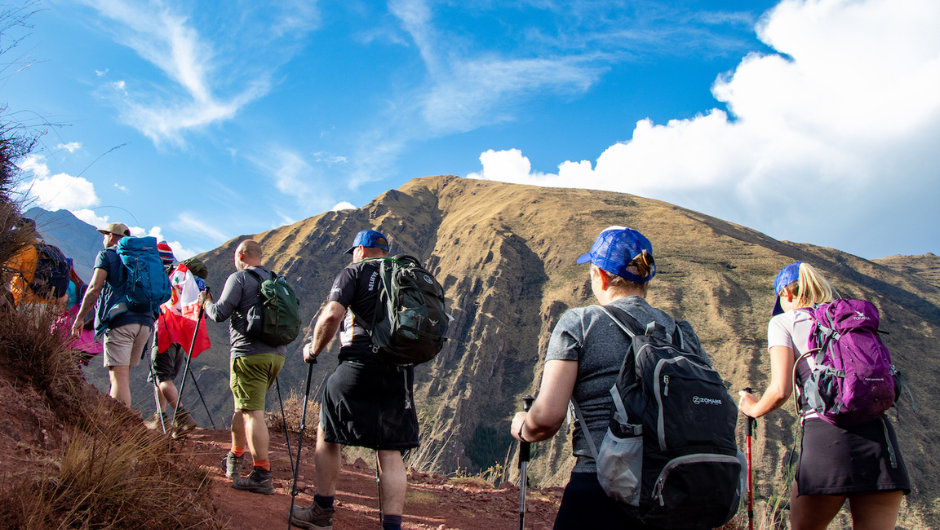
Why Your Daypack Matters
An uncomfortable or poorly fitted daypack can turn an otherwise enjoyable trek into a daily struggle.
Pressure on your shoulders, poor weight distribution, or constant rubbing can all wear you down over time. On the flip side, a well-fitted pack almost disappears – it becomes part of how you move, rather than something you’re constantly adjusting. The good news is you don’t need to spend a fortune. A bit of research and the right fit will make far more difference than the price tag alone
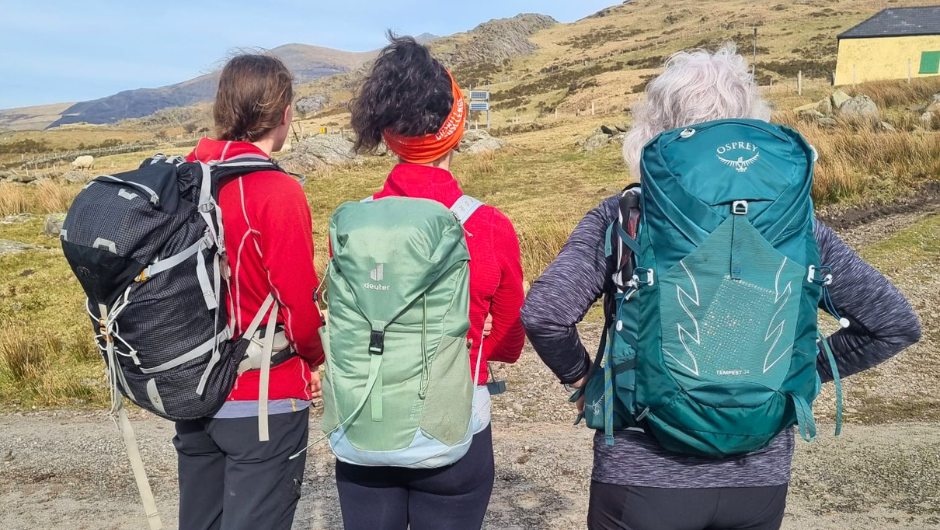
What Size Daypack Do You Need?
For most trekking challenges – whether in the UK or overseas – a 25 to 35 litre daypack is ideal. It’s enough space to carry your daily essentials without encouraging overpacking.
It’s surprisingly easy to fall into the trap of buying a larger bag just in case. The problem is, if the space is there, you’ll fill it and that extra weight adds up quickly over long days.
On the other hand, a half-empty larger pack can feel bulky and unbalanced. A smaller, well-packed bag will almost always be more comfortable.
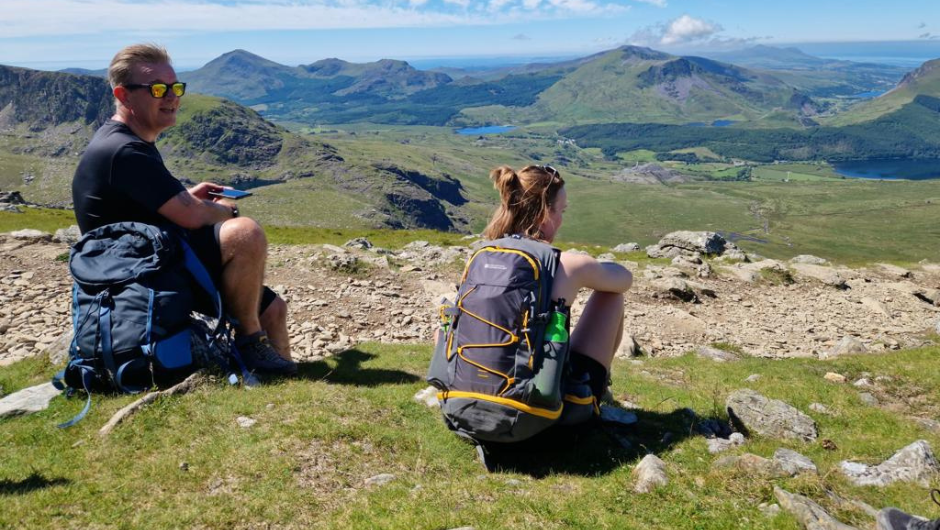
Try Before You Buy
If you don’t already have a daypack that works for you, it’s worth visiting a specialist outdoor retailer like our partners Cotswold Outdoor and trying a few on.
Fit varies significantly between brands and styles, and what works for one person won’t necessarily work for another.
Ask the staff to add some weight to the pack while you try it on. This gives you a much more realistic feel for how it will sit during a trek.
Look for a pack with an adjustable back length, so you can fine-tune the fit to your body. Some brands also offer women-specific designs, which can be worth considering depending on your build.
*Cotswold Outdoor offer support to Charity Challenge participants through their Explore More scheme. By creating an Explore More account, you gain immediate access to members-only benefits from exclusive offers to extended warranty, and it’s completely free. Sign up here: Explore More | Cotswold Outdoor
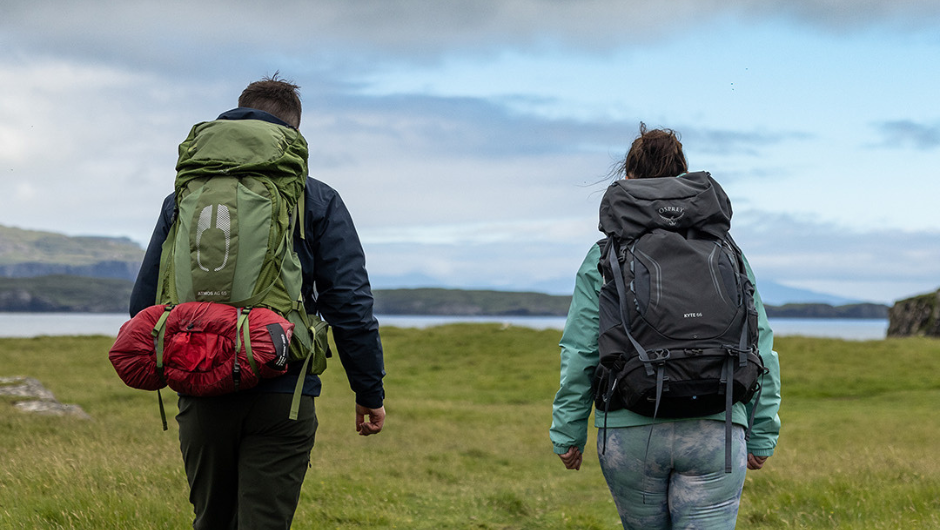
Getting the Fit Right
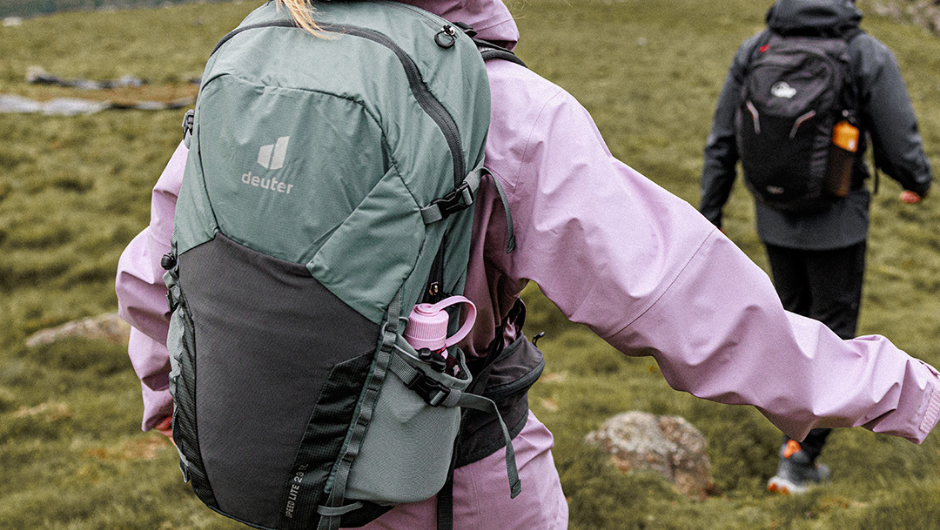
A properly fitted daypack should sit comfortably against your back, with most of the weight carried through your hips rather than your shoulders.
A good hip belt is key here – when adjusted correctly, it takes the strain off your upper body and makes a huge difference over a full day of walking. Shoulder straps should be well-padded but not digging in, and a chest (sternum) strap helps keep everything stable, especially on uneven ground – something you’ll encounter regularly on UK trails
Hydration and Practical Features
If you plan to use a hydration bladder, make sure your pack is labelled as hydration compatible. This simply means it has a dedicated sleeve and an opening for the drinking tube, making it easier to stay hydrated on the move.
Pockets are another small detail that make a big difference. Easy-access side pockets for water bottles, compartments for snacks, and attachment points for walking poles all help keep things organised and accessible.
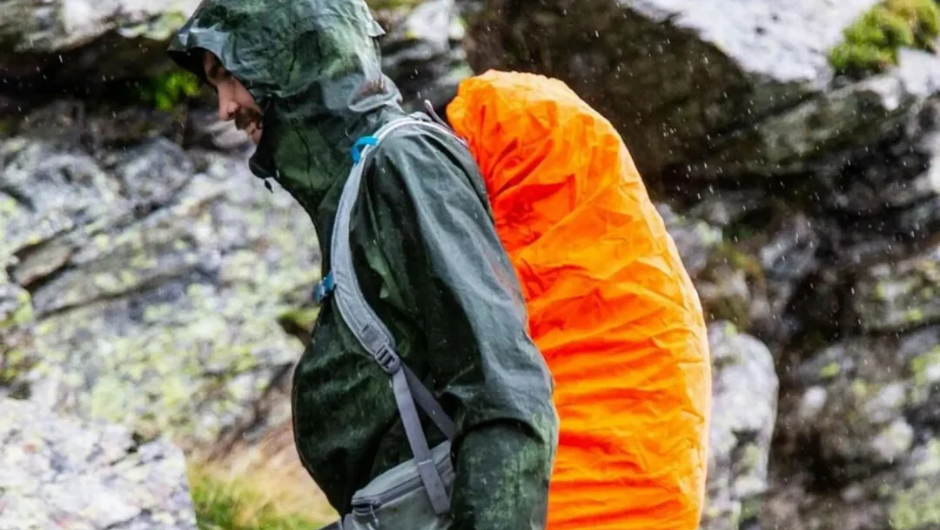
Some packs come with built-in rain covers, which can be useful – particularly in the UK where wet weather is never far away. That said, keeping your pack comfortable and well-fitted should always be the priority. There are plenty of other ways to keep your kit dry.
Think About Travel Too
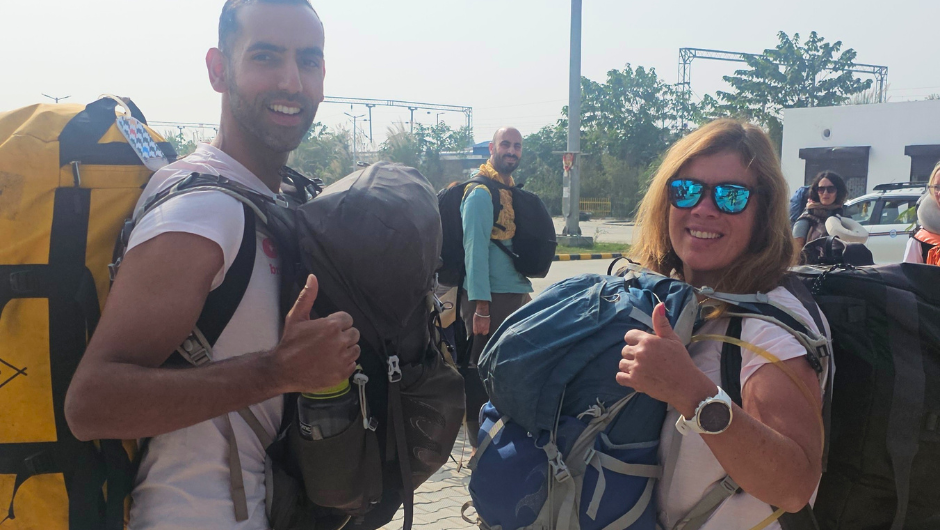
If you’re heading on an overseas challenge, your daypack will usually double up as your hand luggage.
Most packs in the 25–35 litre range are accepted by airlines, but it’s worth keeping this in mind when choosing your bag. A well-designed pack will work just as well in an airport as it does on the trail.
Final Thoughts
Choosing the right daypack isn’t about finding the most expensive option or the one with the most features.
It’s about finding something that fits you properly, carries weight comfortably, and suits the kind of trekking you’re doing – whether that’s a muddy UK hill walk or a multi-day challenge abroad.
Take the time to get it right, and it’s one piece of kit you won’t have to think about again once you’re on the trail.
By Ian Morton, Challenge Leader



No Comments