
If you’re heading to China for a multi-day trek like our Great Wall Discovery challenge, you’re in for an unforgettable experience – not just because of the landscapes, but because of the culture. There’s a phrase many travellers come back to again and again: only in China. And it really does sum things up.
China is vast, diverse, and deeply rooted in traditions that can feel very different from what many Western travellers are used to. The key to enjoying it? Go in with an open mind, a sense of humour, and a willingness to embrace the unexpected. Keep reading for our top cultural tips for trekking in China.

Expect Curiosity (And Embrace It)
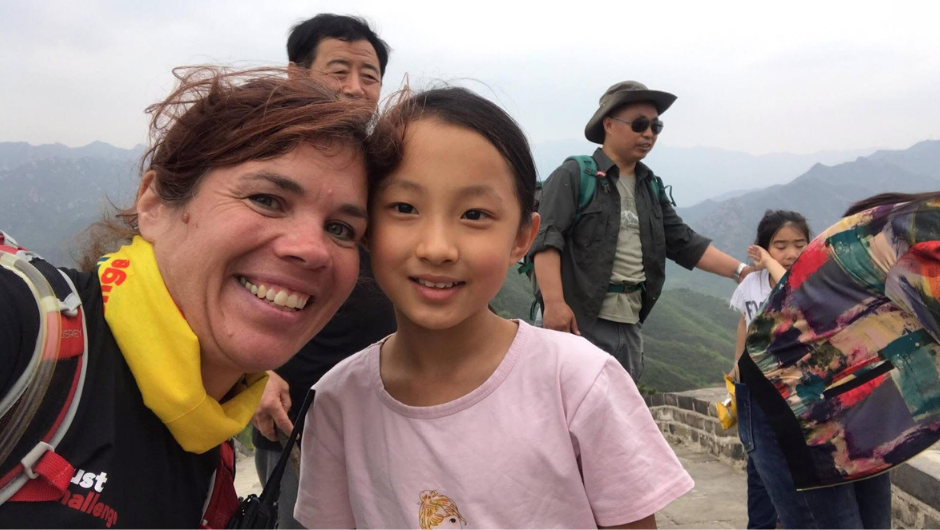
One of the first things many challengers notice is just how curious people can be, especially in more rural areas.
You might find locals:
- Wanting to practise their English
- Asking questions about where you’re from
- Showing interest in your appearance (yes, even touching your hair or face!)
It can feel unusual at first, but it almost always comes from a place of friendliness and genuine interest. If you lean into it, smile, and engage, these moments often become some of the most memorable parts of your trip.
Understanding Mealtime Etiquette
Food is a big part of Chinese culture, and meals are often a shared, social experience. Typically, you’ll be eating around a large round table, with multiple shared dishes using a rotating centre platform (a ‘lazy Susan’).
One thing that can catch people out is the order food arrives. Dishes come when they’re ready not in courses, so it’s perfectly normal to start eating straight away.
A few cultural nuances to be aware of:
- Rice or noodles often come towards the end of the meal.
- Asking for them earlier can suggest your host hasn’t provided enough food.
- Leaving food is fine but avoid placing chopsticks upright in rice, as it symbolises funerals and is considered bad luck.
- If you completely clean your plate, some hosts may think you’re still hungry and they didn’t provide enough food – leave a small bite or two.
It’s these small details that show respect and help you feel more comfortable in the setting.

A Few Habits That Might Surprise You
Travel always brings moments of culture shock, and China is no exception.
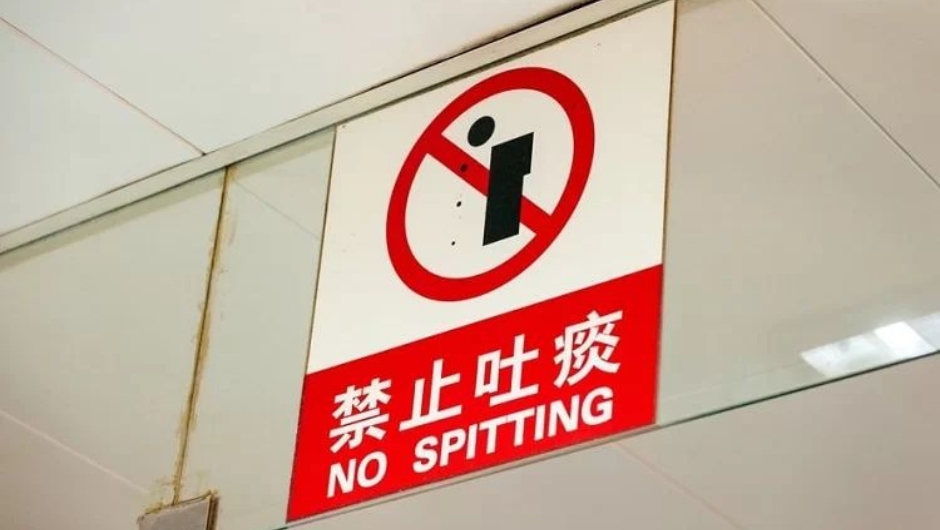
For example, in some areas, particularly rural regions or among older generations, spitting is still relatively common. While this is becoming less frequent, it can still catch visitors off guard.
It helps to remember that cultural norms go both ways. Something that feels unusual to you may be completely normal locally and vice versa.
Food, Temperature, and Traditional Beliefs
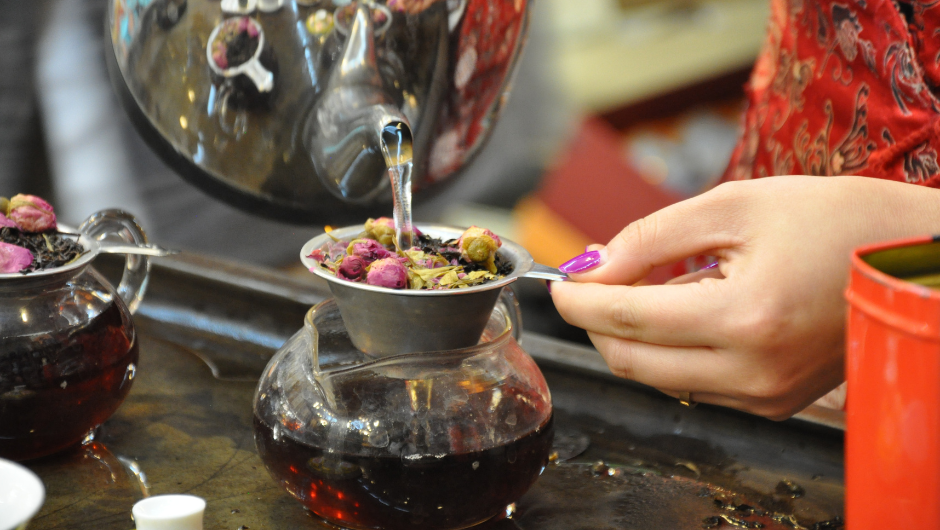
In China, food isn’t just about taste, it’s closely tied to health and balance.
Traditional Chinese medicine places importance on maintaining harmony within the body, particularly around temperature and digestion. As a result:
- Food and drinks are rarely served very hot or very cold.
- A balanced internal temperature is seen as important for wellbeing.
If something isn’t quite what you expect temperature-wise, it’s best to accept it as part of the experience rather than sending it back.
Mind Your Gestures
Small gestures can carry different meanings across cultures, and in China, subtlety is valued.
For example:
- Pointing directly at people or things can be seen as rude
- Prolonged direct eye contact may feel uncomfortable in some situations
You might notice guides or locals using more indirect ways of communicating like nodding or gesturing gently.
It’s all rooted in a cultural emphasis on respect and harmony, influenced by traditions such as those of Confucius.

Asking for Directions? Be Aware
If you find yourself needing directions, there’s a small cultural nuance worth knowing.
In China, people often avoid saying “I don’t know” outright, as it can be seen as losing face. This means you might sometimes be given an answer – even if it’s not entirely accurate.
To make things easier:
- Use maps on your phone where possible.
- Keep your hotel’s address written in Chinese.
- Don’t rely on just one set of directions.
It’s a small adjustment that can save a lot of confusion.
Staying Connected: Apps and the Internet
China’s internet landscape is quite different from what many travellers are used to. Some familiar apps and platforms like Facebook, Instagram and WhatsApp are restricted. If staying connected is important, you might consider setting up a VPN before you travel (though reliability can vary).
Tip – Ensure you choose a VPN that is known to work in China and you set it up before you arrive as they may be blocked in country.
Alternatively, many visitors choose to embrace local apps such as:
- WeChat (for messaging, payments, and more)
- Weibo (a social media platform)
You may even find yourself wishing these apps existed back home as they’re incredibly versatile.

Tipping Culture
Tipping in China is very different from places like the UK or the US.
In most everyday situations:
- Tipping is not expected.
- It’s not part of the culture in restaurants, taxis, or hotels.
However, there is one key exception. On organised treks such as those run by Charity Challenge it’s customary to tip local guides and support teams, as this forms an important part of their income. We suggest around 700 Yuan (approx. £75). This should be given to the challenge leader who will distribute it among the support team, including guides, assistant guides, cooks and drivers.
Final Thoughts
Trekking in China is about so much more than the physical journey. It’s an opportunity to step into a culture that’s rich in history, tradition, and unique ways of seeing the world. Some things may feel unfamiliar at first but that’s part of the experience.
Approach it with curiosity, respect, and an open mind, and you’ll not only complete an incredible trek, you’ll come away with a deeper appreciation for a country that stays with you long after you’ve returned home.
By Lizzy Codd, Challenge Leader






No Comments