
India is not just a destination; it’s a feeling. It’s the sound of temple bells echoing through a mountain valley, chai brewing on a cold morning, colourful prayer flags dancing in the wind and a stranger welcoming you with a smile.
A Charity Challenge trek in India is about more than the kilometres covered. From remote Himalayan villages and centuries-old monasteries to local kitchens and mountain markets, there’s plenty to discover beyond the trail. India is incredibly diverse, and customs can vary between regions.
Here are our top cultural tips to help you make the most of your experience.
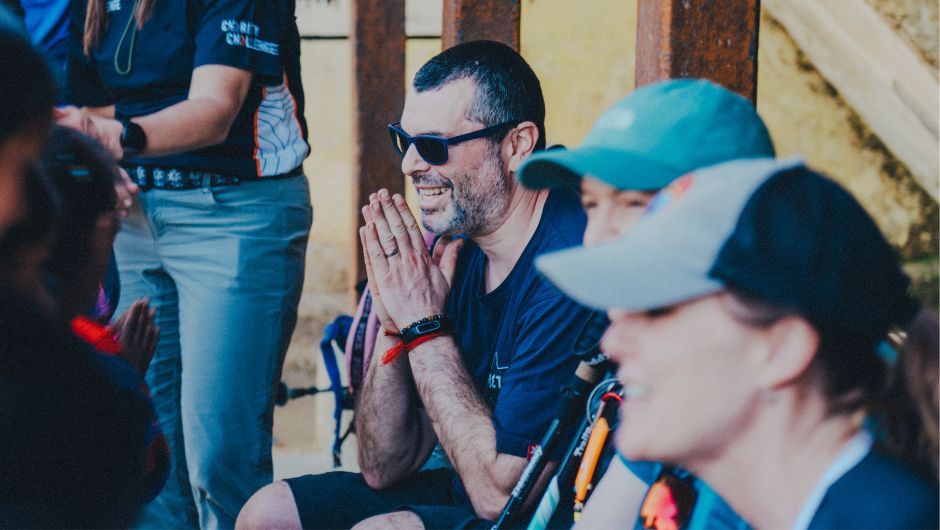
Start with a Namaste
A warm Namaste (literally meaning ‘I see the God in you’) is a simple way to connect with people in India. Traditionally accompanied by pressing your palms together and slightly bowing your head, it’s a respectful greeting used across much of the country.
A smile and greeting can be a great way to start a conversation, particularly in local villages. Locals will appreciate the effort, and your challenge leader can teach you useful regional phrases along the way.
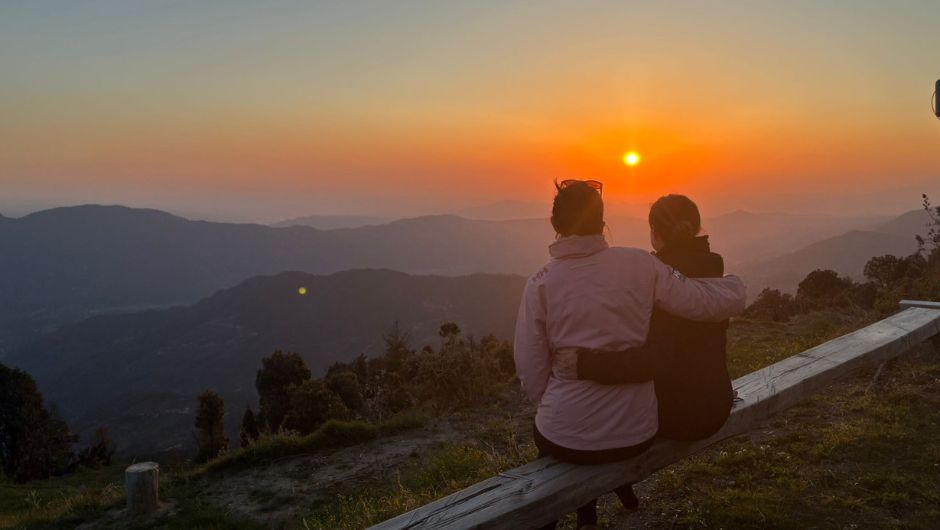
Chai Means More Than Just Tea
In India, chai is practically a love language! It’s is a big part of everyday life in India, served everywhere from roadside stalls and village shops to family homes and mountain cafés.
Offering tea is often a gesture of hospitality, so if you’re invited to sit down for a cup, take the opportunity to chat with locals and experience everyday life. Whether it’s a quick stop during your trek or a chance to rest after a long day, a cup of chai is well worth making time for.
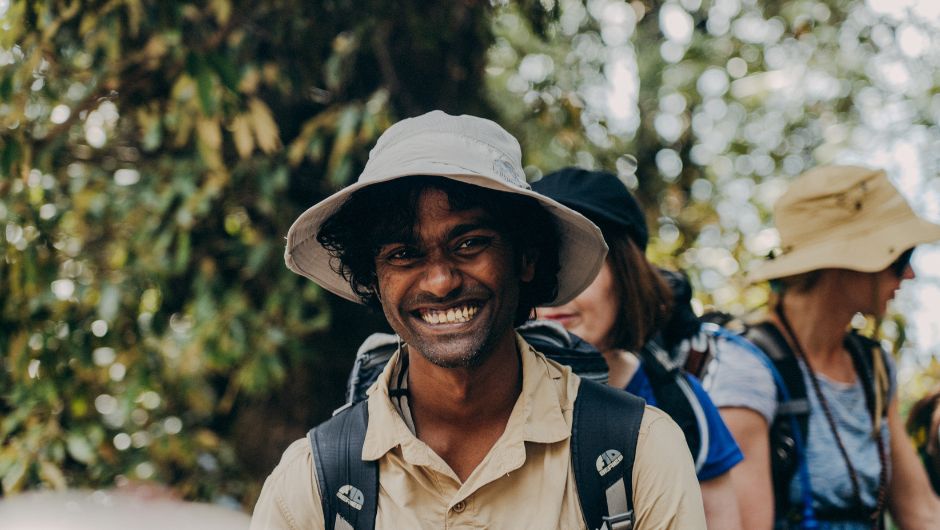
A Little Local Language Goes a Long Way
India has hundreds of languages and countless regional expressions. Hindi is useful in many areas, but it isn’t everyone’s first language, particularly in the Northeast and many Himalayan communities.
Here are a few phrases worth learning:
- Hello : Namaste (nuh-muh-STAY) / Namaskar (nuh-muh-SKAAR)
- Thank you : Dhanyavaad (dhun-yuh-VAAD)
- Yes, respectfully : Ji, haan (jee, haan)
- Excuse me / I’m sorry : kijiye (KEE-jee-yay)
- How much does it cost? : Kitne ka hai? (KIT-nay kaa hai)
- Very nice : Bahut achha (buh-HUT uch-CHHAA)
- Goodbye : Tata (taa-taa)
Pronunciation doesn’t have to be perfect. Even a few words can make interactions warmer and more memorable. And if you learn a local greeting from your guide, use it! It’s a lovely way to show that you’re interested in the place, not just the views.
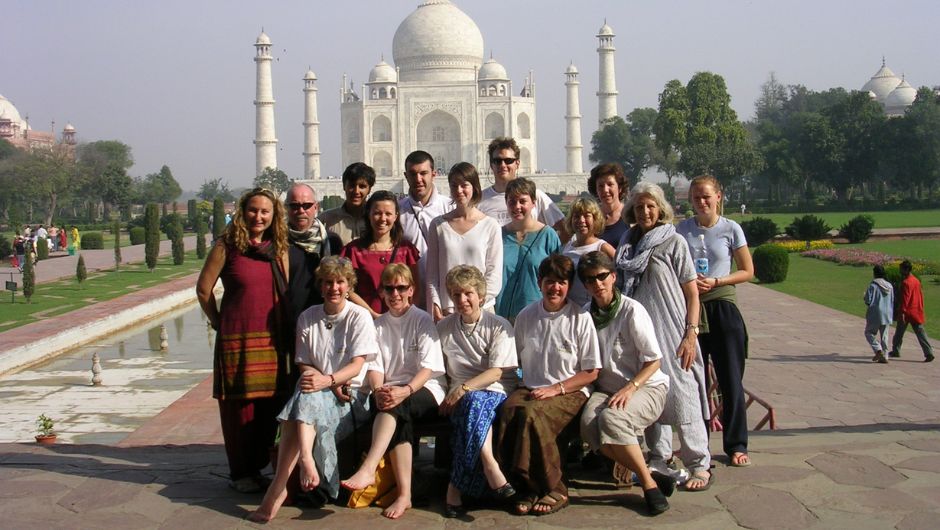
Dress Respectfully and Follow Local Customs
As detailed in our Kit List, comfortable trekking clothes are perfectly suitable for your challenge, but when visiting villages, temples or monasteries, it’s important to dress modestly by covering your shoulders and knees. This is a simple way to show respect for local traditions, particularly at religious sites.
One custom you’ll encounter in many Indian homes and religious spaces is removing your footwear before entering. Look out for shoes left outside doorways, temple entrances and monastery buildings. When in doubt, simply ask your guide or follow local practice.
When visiting places of worship or attending local celebrations and festivals, show respect by keeping your voice low, asking permission before taking photographs and following your guide’s advice on local customs and traditions. Being invited to witness a cultural tradition is a privilege to enjoy!
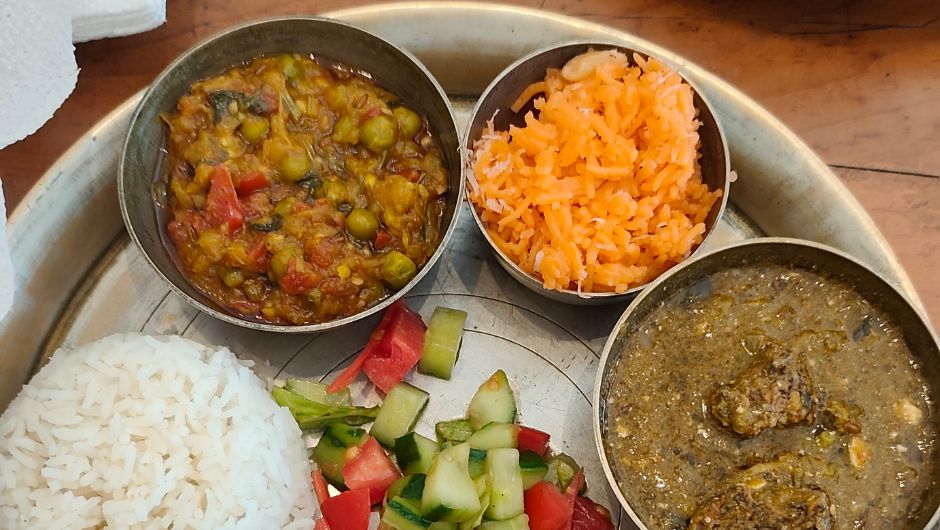
Eat With Your Hands – If You Fancy It!
Food is an important part of local hospitality and a great way to experience the region you’re visiting. Indian food is incredibly diverse, and depending on your trek, you might enjoy dal and rice, fresh roti, vegetable curries, momos, thukpa and other regional dishes made with local ingredients.
In many Indian households, eating with your right hand is traditional, particularly when enjoying certain dishes. It’s perfectly fine to use cutlery too, so do whatever feels comfortable.
A few things to remember:
- Wash your hands before meals.
- Use your right hand when eating by hand, where this is the local custom.
- Let your challenge team know about any allergies or dietary requirements beforehand.
- Ask before taking food or serving yourself in someone’s home.
- Follow your team’s guidance on food hygiene and drinking water.
Eating with your hands is also thought to engage more than just your sense of taste, making the meal a more sensory experience!
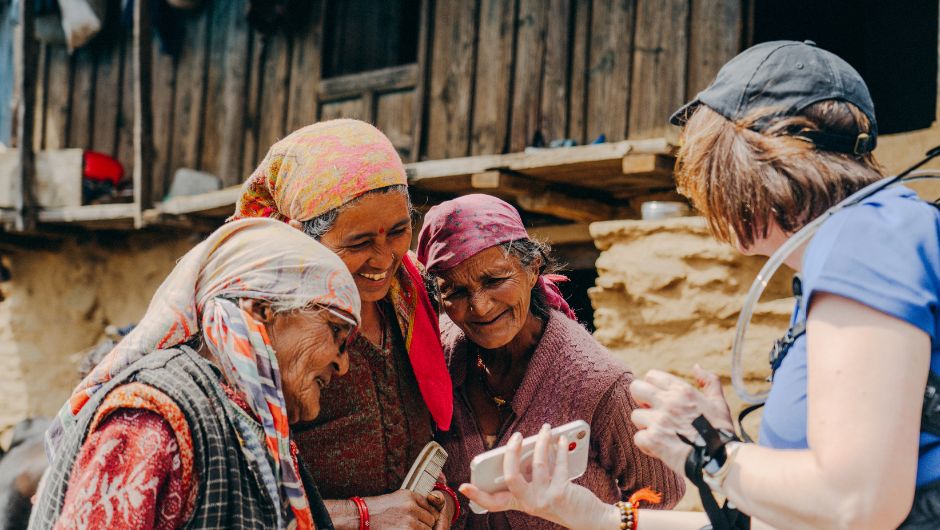
Making Connections and Photography Etiquette
Some of the best memories from your trek may come from the people you meet along the way, be that a cup of tea offered by a local, a conversation with your guide or a warm welcome as you pass through a village.
The mountains will offer plenty of photo opportunities, but always ask permission before photographing local people, particularly children, people praying or anyone in a private setting. A smile or friendly gesture can help when language is a barrier.
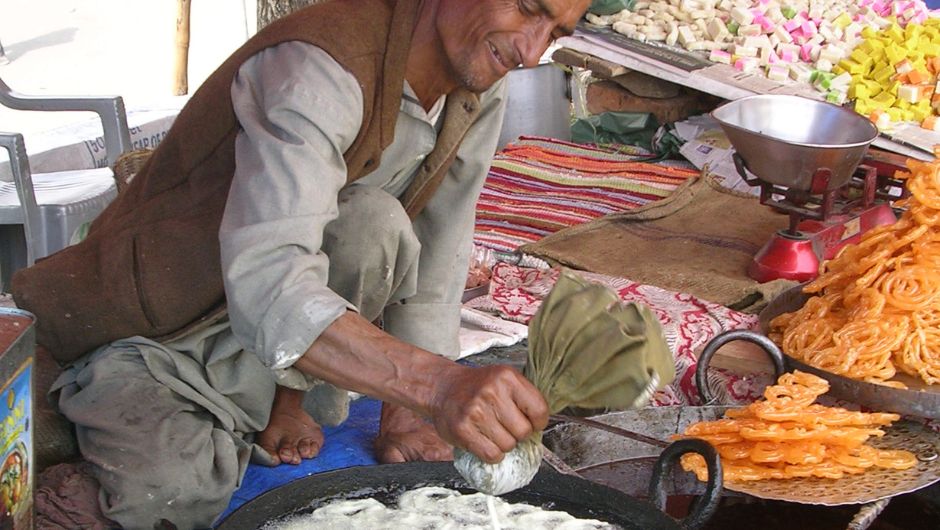
Bargaining is Common, But Kindness Matters
Bargaining is common in some local markets and tourist shops, although prices may be fixed in other settings. If you’re buying handmade woollens, local crafts, souvenirs or snacks, ask the price politely and negotiate with a smile where appropriate.
Remember that a small saving to you may mean a lot to the person selling the item. Pay fairly, respect the work behind handmade products and, where possible, buy directly from local makers and businesses to support the communities you’re visiting.
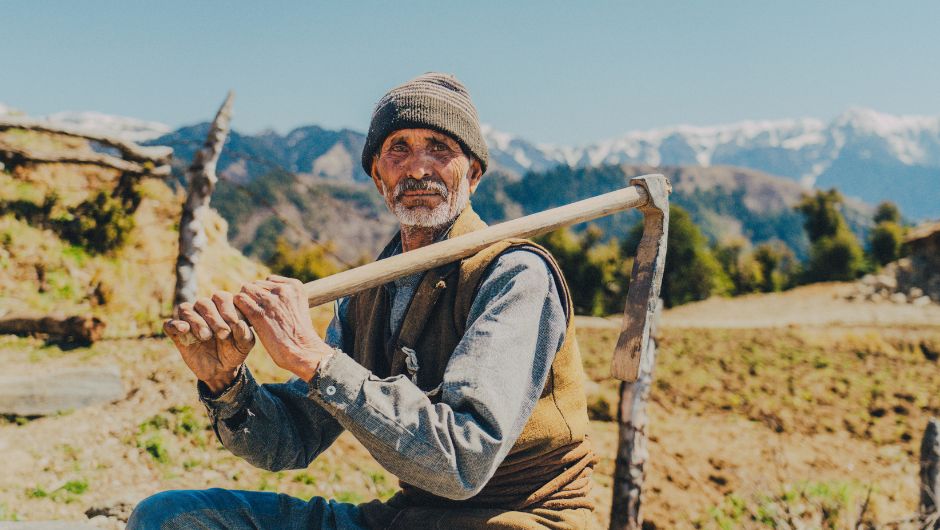
Leave Only Footprints – and Support Local Communities
The Indian Himalayas are breathtaking, but many mountain communities have limited access to waste collection, water and other essential services.
Being a responsible trekker means thinking about the impact you leave behind:
- Carry a reusable water bottle.
- Bring all your rubbish back from the trail.
- Respect local water sources and use water thoughtfully.
- Stay on established trails and avoid damaging crops or vegetation.
- Never feed or disturb livestock and wildlife.
- Follow your trek team’s instructions for waste disposal and sanitation.
A Few More Cultural Tips
Everyday customs can be different across India, so here are a few extra things worth knowing:
- Expect some curiosity: People may ask personal questions, such as where you’re from, your age or whether you’re married. This is often a friendly way to start a conversation.
- Use your right hand: In traditional settings, use your right hand when giving or receiving items.
- Be mindful of your feet: Avoid pointing your feet towards people or religious objects, and don’t touch someone’s head.
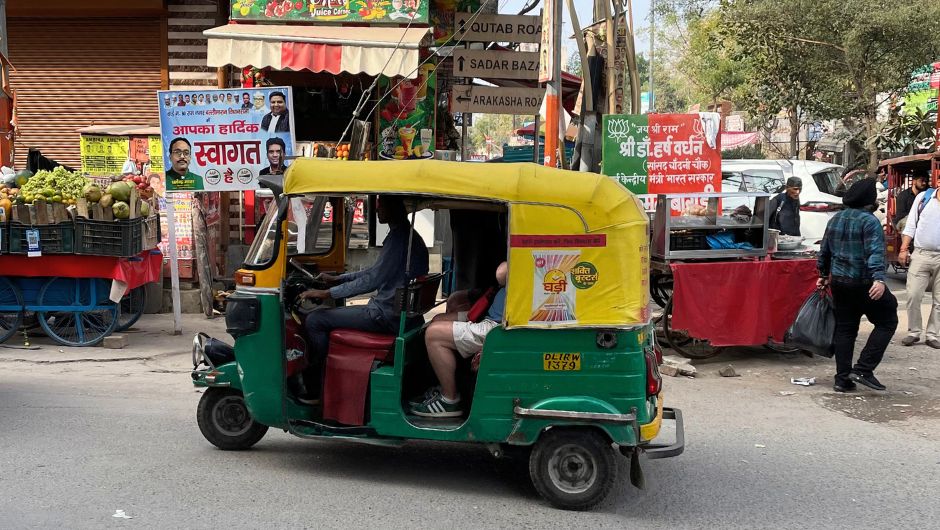
- Follow local guidance when crossing roads: Traffic can be busy and unpredictable, so take care, stay with your group and follow your guide’s advice.
- Don’t be surprised by the horns: Drivers often use their horns to signal that they’re approaching or passing, so expect to hear them frequently!
Final Thoughts
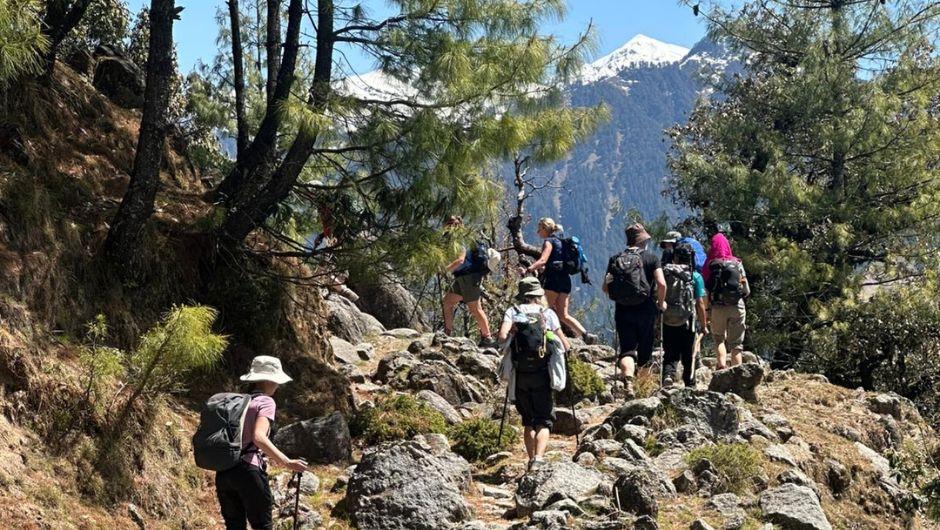
India is a country of incredible cultural diversity, and every region has something different to offer, so travel with an open mind, respect the communities you visit and embrace the experiences that make your trek about more than just the mountains.
By Sian Everingham, Local Challenge Leader



No Comments