
If I could explain exactly why some people get blisters or foot pain and others don’t, this would be a very short article. The reality is far less predictable!
Even experienced walkers can train for months without issue, then wake up on day three of a trek with a blister the size of Mt Vesuvius or sharp foot pain the moment they step out of their tent. You can’t eliminate the risk entirely – but you can stack the odds firmly in your favour…
Train Like You Mean It
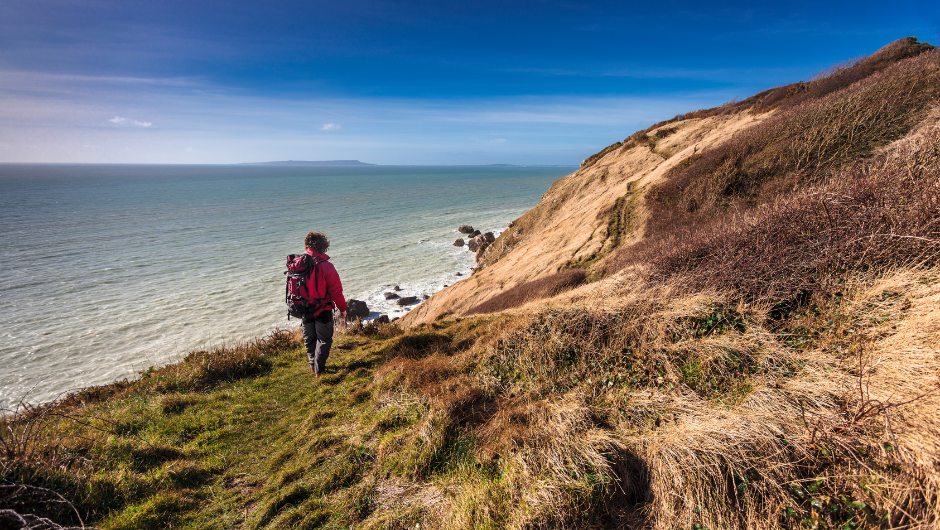
There’s no shortcut here. The single most effective thing you can do is spend time on your feet!
The more miles you walk in your boots, the more your feet adapt to pressure, friction, and long days on mixed terrain. This is especially important if you’re preparing for UK conditions, where routes often include hilts, mud, uneven ground and long descents. Well-conditioned feet are far less likely to react badly when the challenge begins.
Get Properly Fitted Boots
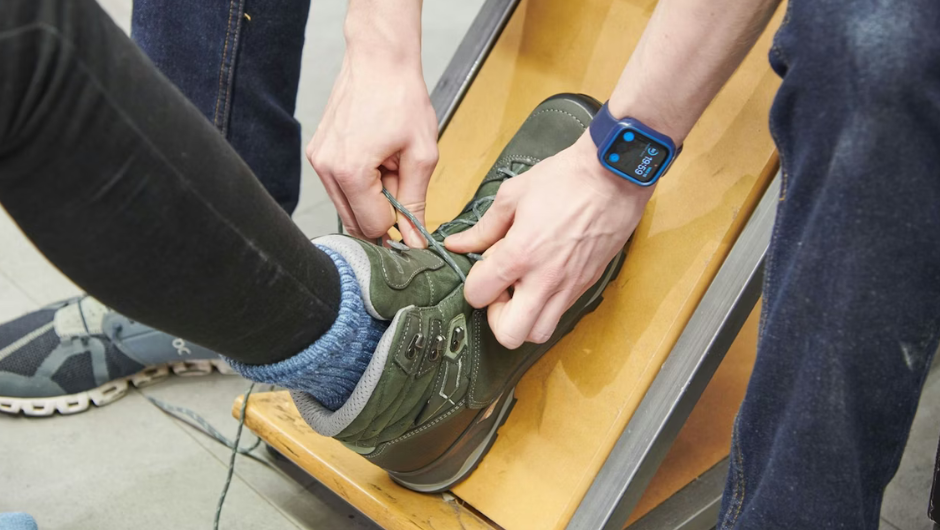
A good boot fit is one of the biggest factors in preventing foot problems. It’s always worth going to a specialist outdoor retailer, such as our partner Cotswold Outdoor and getting fitted property. Most people will go up about a size, which allows room for foot swelling and helps prevent your toes from hitting the front of the boot on descents – one of the main causes of painful toenail blisters.
It’s also worth trimming your toenails about a week before your trek. It’s a small detail, but it can make a noticeable difference.
Cotswold Outdoor offer support to Charity Challenge participants through their Explore More scheme. By creating an Explore More account, you gain immediate access to members-only benefits from exclusive offers to extended warranty, and it’s completely free. Sign up here: Explore More | Cotswold Outdoor.
Choosing The Right Waterproofing
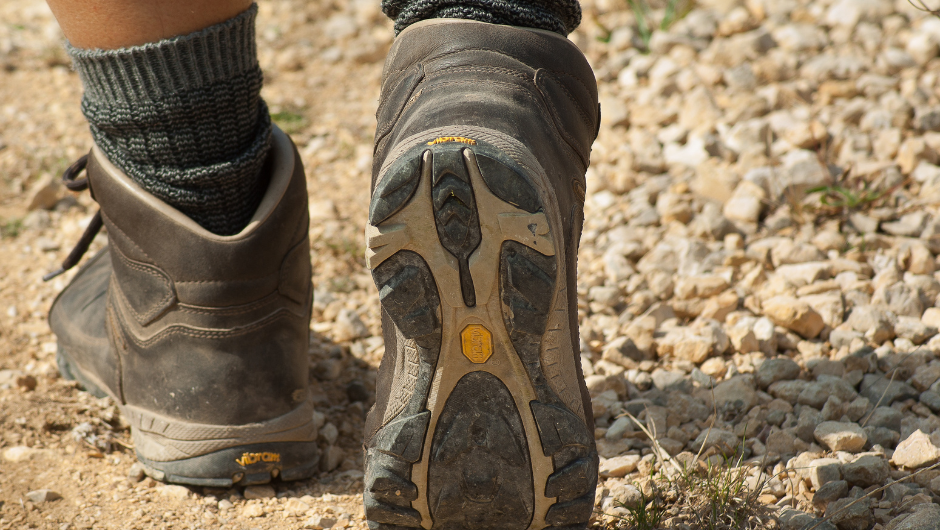
Not all boots are equal when it comes to waterproofing, and what you choose should reflect where you’re going. Many experienced leaders still favour full leather boots because they’re durable and can be reproofed repeatedly using products like Nikwax or Grangers Wax. They tend to last longer, especially in consistently wet environments like the UK.
Fabric or membrane-lined boots are tighter and more breathable, which can be more comfortable in warmer climates. The trade-off is that they require more maintenance and generally don’t last as long.
If you’re expecting boggy ground or heavy rain – very possible on UK treks – gaiters are welt worth considering. Just remember they should sit under waterproof trousers, not over them.
Don’t Overlook Insoles
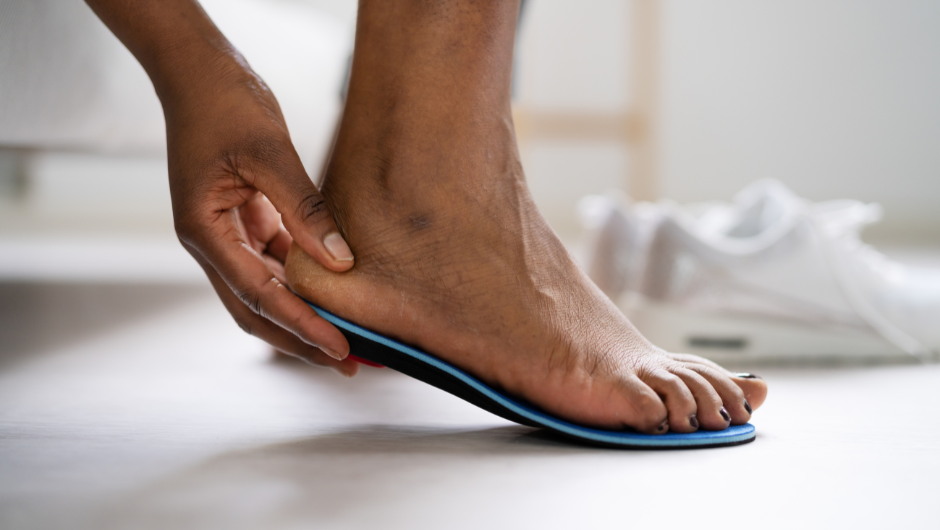
Insoles are often underestimated, but they play a big role in comfort. If a fitter recommends a different footbed, it’s usually for a reason. And when those insoles wear out, replacing them with the same type helps maintain the fit of your boots. Changing them can subtly alter how your foot sits, which may create new pressure points.
Taking them out each evening to dry is also a simple habit that helps keep your boots in better condition. Orthotics can be helpful for specific issues, but they should only be used under guidance from a podiatrist. Changing your foot alignment affects your entire movement pattern, and even a short walk with poor alignment can lead to knee, hip, or back discomfort.
Socks Matter More Than You Think
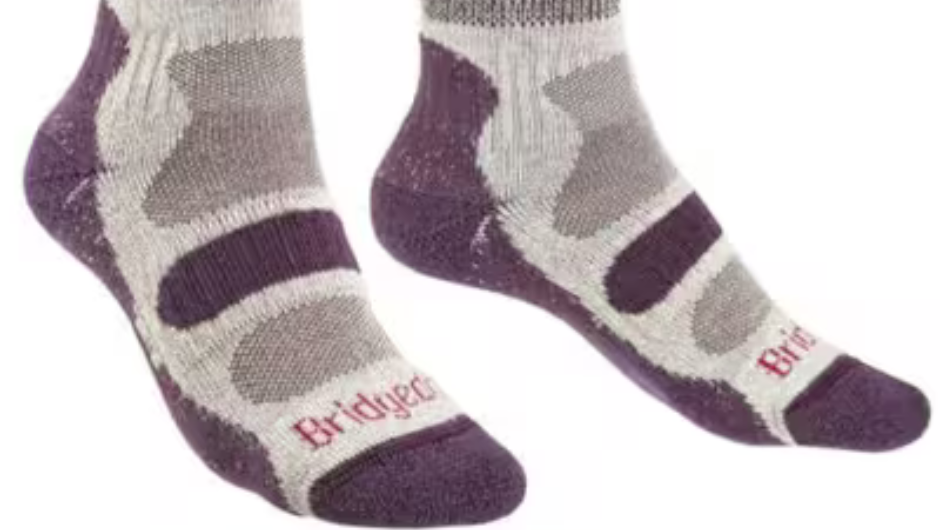
Socks are one of the easiest things to get right – and one of the most overlooked. A good pair can significantly reduce friction and help manage moisture. Brands like Bridgedale are popular for a reason, but what matters most is finding what works for your feet.
Some people prefer merino blends, others wool or cotton. In hotter climates, toe socks can be surprisingly effective because they reduce friction between the toes.
It’s also worth experimenting with liner socks and carrying a spare pair each day. Changing your socks halfway through a walk and letting your feet air out while you stop for lunch can feet like a complete reset!
Small Adjustments: Lacing and Fit
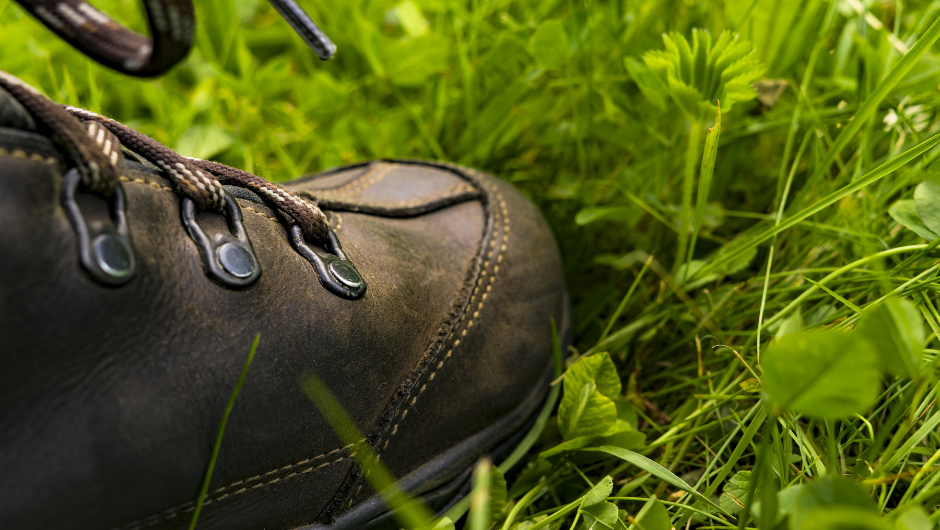
Sometimes it’s not your boots – it’s how you’re wearing them. If you’re experiencing heel lift or pressure points, adjusting your lacing technique can make an immediate difference. A simple heel lock can stop your foot sliding, while other methods can relieve pressure across the top of your foot.
It’s worth experimenting before your trek so you know what works.
Boots or Trail Shoes?
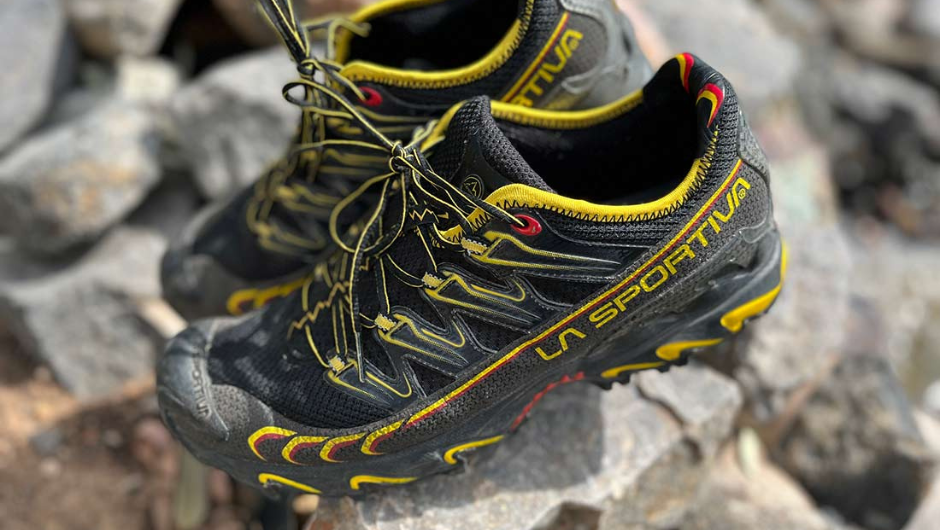
Boots are often recommended for treks, but they’re not always essential. For example, a summertime long-distance walk in the UK – such as along the South Downs – might suit a lighter trail shoe, depending on your experience and the terrain.
Boots provide more ankle support, but that support can also mean your ankles do less work. If you have time to train, walking
on uneven ground in trail shoes can help build strength and stability in your ankles.
Watch for Early Signs of Foot Pain
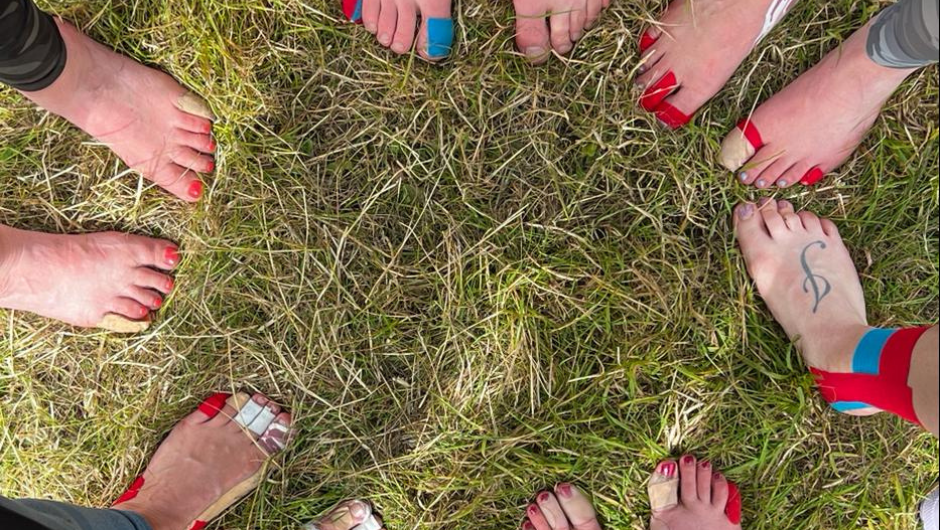
If you increase your mileage too quickly, your feet will usually let you know. Pain in the heel or arch can be a sign of planter fasciitis – irritation of the tissue that runs along the bottom of your foot. It’s common among walkers who ramp up training too fast.
Simple measures like rolling your foot over a massage ball (or even a cold bottle) or applying SportsTape Kinesiology Tape (KT) can help ease symptoms. Elevating your feet at the end of the day also makes a noticeable difference.
Over-the-counter pain relief can help in the short term, but if pain continues, it’s worth getting proper advice before it becomes a longer-term issue.
As a Charity Challenge participant you get a 10% discount from our partners at SportTape. To redeem this offer, use the discount code that can be found in your participant account area under clothing & equipment, at time of purchase.
Recovery Matters Too
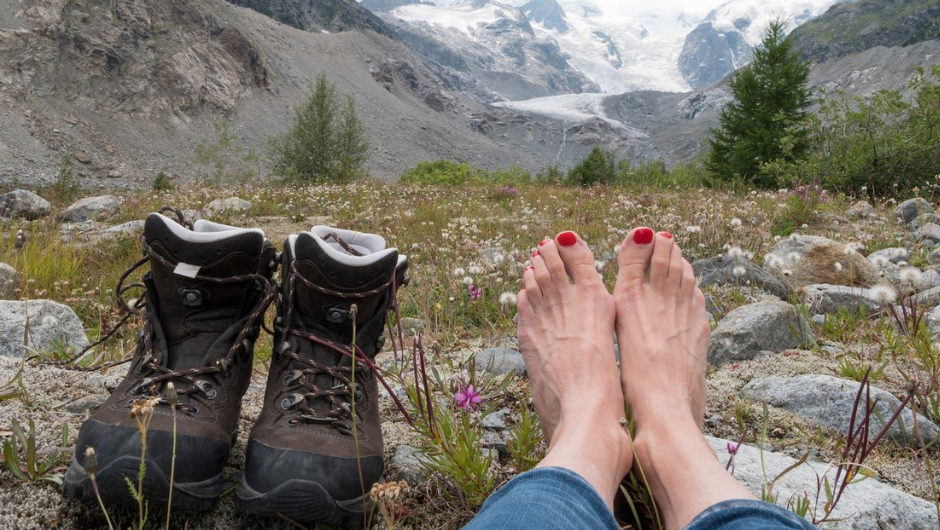
Looking after your feet doesn’t stop when you finish walking for the day. One of the simplest and most effective things you can do is take your socks off, lie back, and elevate your feet for a while. Half an hour with your feet raised helps to reduce swelling, improves circulation and gives your skin a chance to recover.
And when you get home? A bit of proper TLC won’t go amiss. You’ve earned it!
Final Thoughts
Foot issues are one of the most common problems on any outdoor challenge, whether you’re walking in the UK or heading overseas for a Charity Challenge. But most problems don’t come out of nowhere. They build slowly and that means you have opportunities to prevent them.
Put the training in, get your kit right, and pay attention to the small signals early on. It won’t guarantee a problem-free trek, but it will put you in a much stronger position to deal with whatever comes your way!
By Lizzy Codd, Challenger Leader




No Comments