
So, you’ve got your day pack, your duffle bag, and everything listed on the kit list from Charity Challenge… and now you’re staring at it all thinking: there’s no way this is going to fit.
It’s a completely normal reaction. Packing for a multi-day challenge can feel overwhelming at first, but with a bit of structure (and a few tried-and-tested tricks), it quickly becomes much more manageable and even satisfying. Keep reading for our Challenge Leader’s top packing tips for a multi-day challenge.
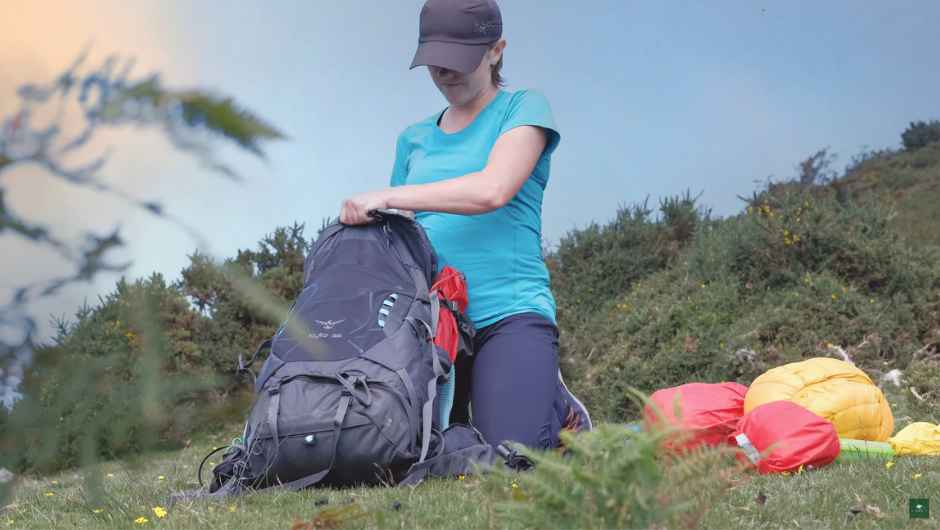
Start Smart Before You Even Leave Home
Before you think about how to pack your bag for the challenge itself, it’s worth considering your journey to the destination.
A simple but important strategy is to split essential items between your main luggage and your day pack. This gives you a safety net in case your main bag is delayed.
It’s worth keeping a few key things with you in your day pack:
- A full day of trekking / cycling clothes
- Basic toiletries
- Any essential medication
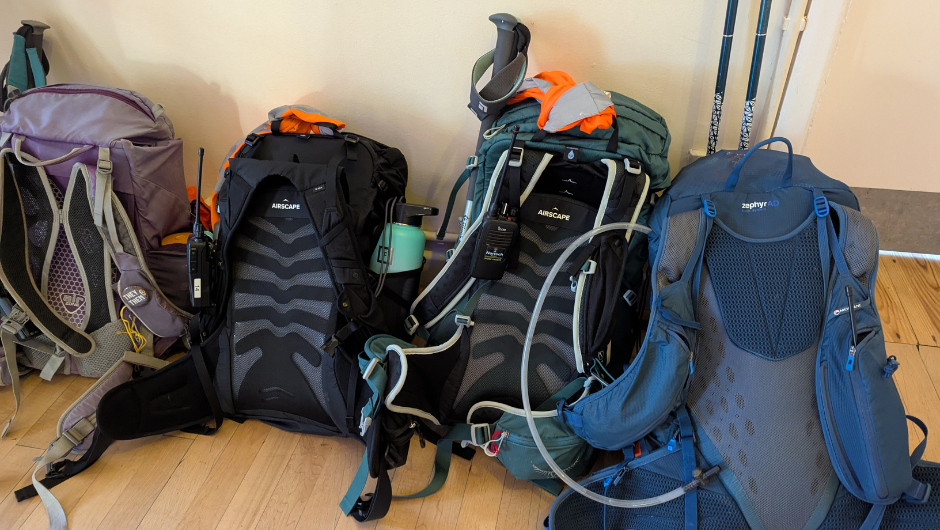
You might also want to wear your trekking boots while travelling. It’s not the most glamorous airport look, but it ensures they arrive with you and saves space in your bag.
A couple of practical reminders that are easy to overlook:
- Walking poles should go in your main luggage
- Battery packs must go in your hand luggage
- Any liquids in hand luggage need to follow airport restrictions
It’s a small bit of planning that can make a big difference if things don’t go exactly to plan.
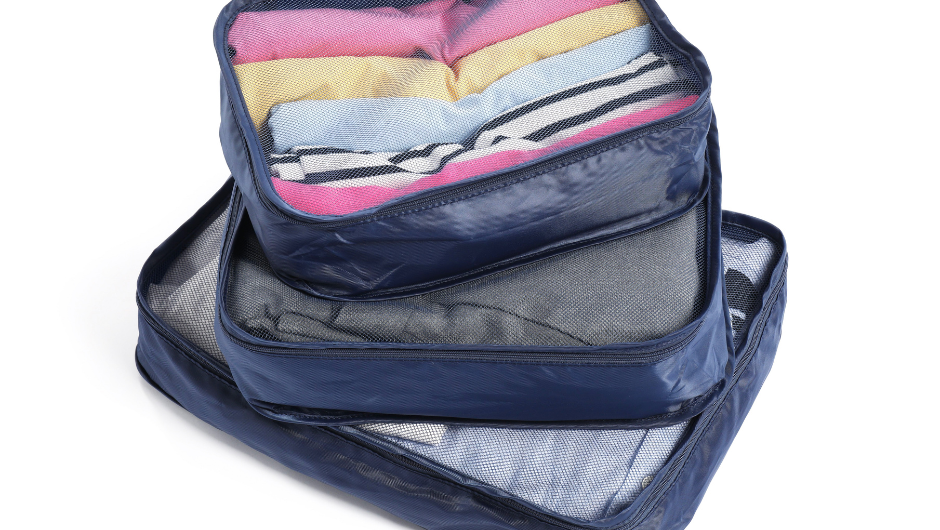
Build a Simple System (and Stick to It)
Once you arrive and start preparing for the challenge itself, organisation becomes your best friend.
The easiest way to stay on top of your kit is to create a packing system you can repeat every day. When you’re tired, possibly in low light, and packing quickly in the morning, knowing exactly where everything lives saves time and stress.
One of the most effective ways to do this is by separating your gear into smaller bags. You could use:
- Dry bags
- Packing cubes
- Even simple plastic bags
This doesn’t just help with organisation – it also protects your kit if your luggage gets wet during transit, which happens more often than people expect.
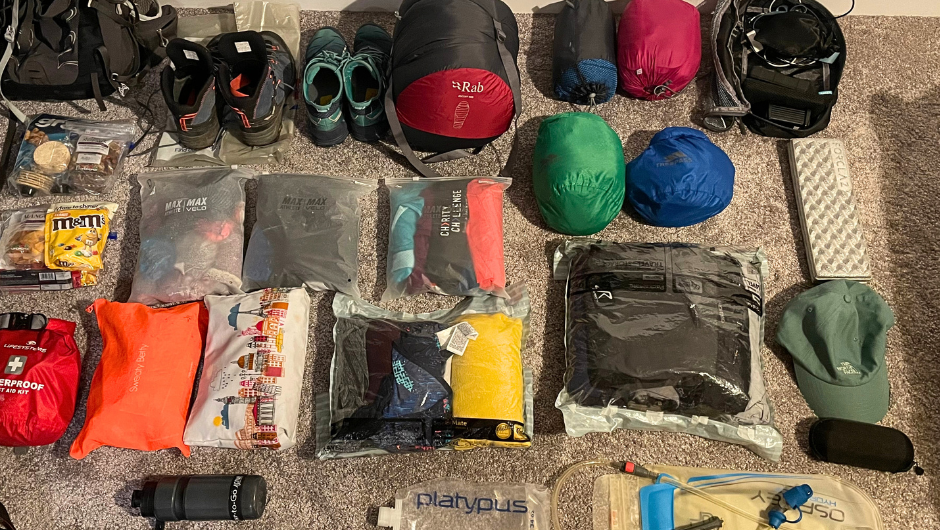
Organising Your Trekking / Cycling Clothes
When it comes to your daily gear, there are two common approaches, and both work well.
Some people prefer to group similar items together, such as:
- One bag for socks and underwear
- One for tops
- One for bottoms
Others prefer to pack by outfit, keeping everything needed for a single day in one place.
There’s no right or wrong approach here. The key is choosing a system that makes sense to you and sticking with it throughout the challenge.
Don’t Forget Your Non-Challenge Essentials
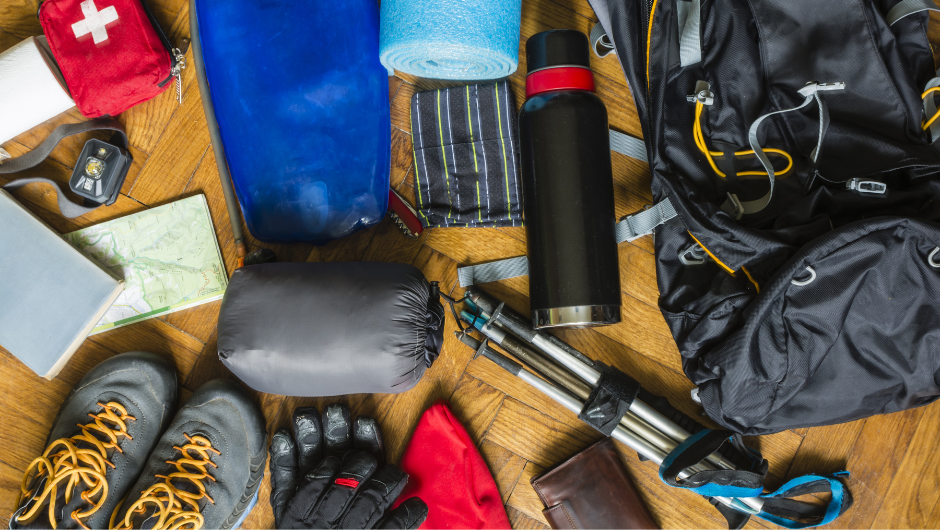
Once your main challenge gear is sorted, you can move on to everything else. This includes:
- Toiletries and wash kit
- Snacks and nutrition
- Camp clothes
- Your outfit for the final evening
- Any extra comfort items
It’s easy for these bits to become disorganised, so giving them their own space within your bag helps keep everything under control.
Pack with Efficiency in Mind
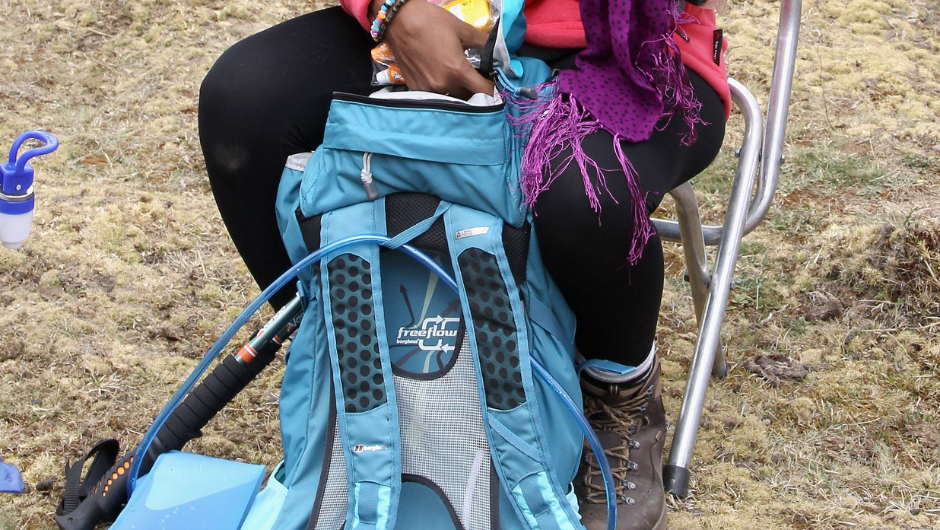
A small shift in how you pack which can make your daily routine much smoother is thinking about how often you’ll need each item. For example:
- Items you use regularly should be easy to access
- Things you won’t need until later (like your final night outfit) can go at the bottom
It sounds simple, but it makes a big difference when you’re unpacking and repacking every day.
Always Do a Test Pack
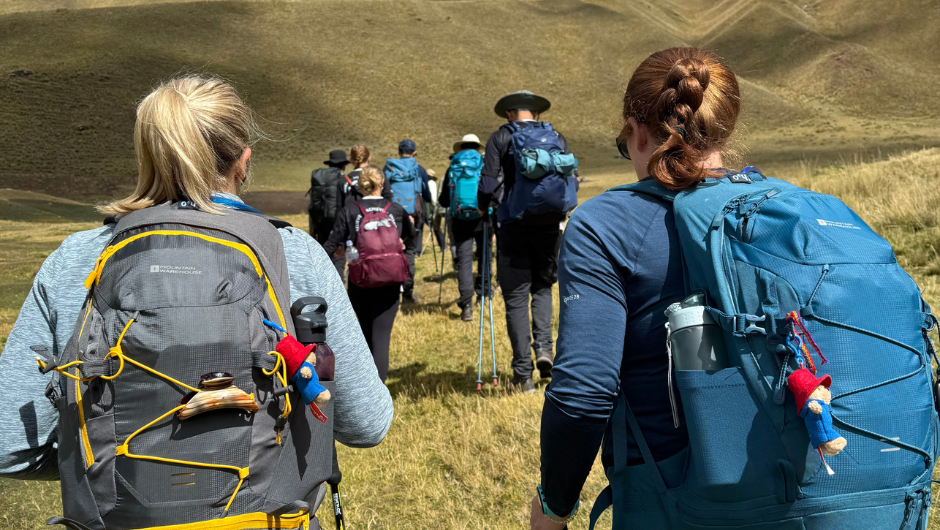
One of the most useful things you can do before your trip is a full test pack at home (and don’t leave it till the last minute!).
Pack both your main bag and your day pack exactly as you would for the challenge, then:
- Check everything fits comfortably
- Make sure you can find items easily
- Weigh your bags to stay within limits
It’s much easier to adjust things at home than it is the night before you start trekking.
Final Thoughts
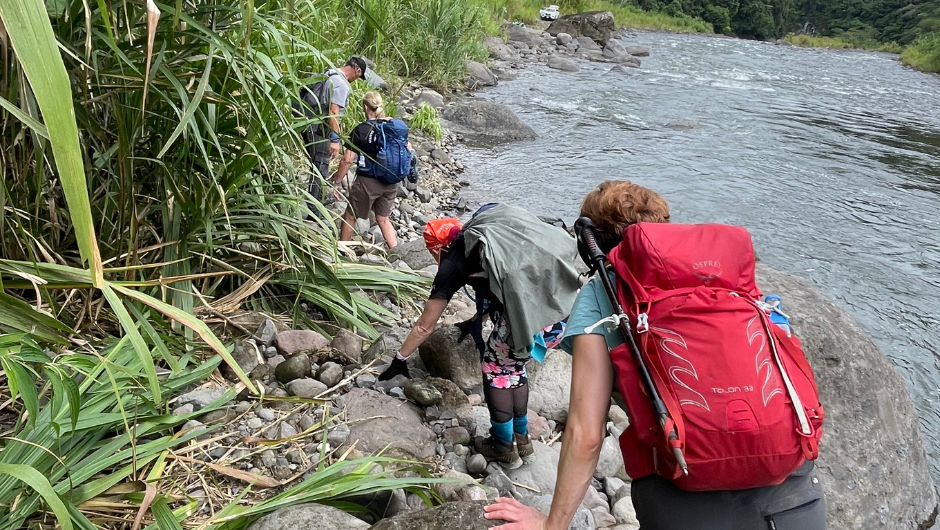
Packing for a multi-day challenge isn’t about squeezing everything in at the last minute, it’s about creating a system that works for you.
With a bit of planning, some simple organisation, and a focus on efficiency, you can turn what feels like a daunting task into something straightforward and stress-free.
And once you’re on the challenge, you’ll be glad you took the time because when everything has its place, life on the move becomes a whole lot easier.
By Ian Morton, Challenge Leader



No Comments