
The Zambezi River Challenge is a thrilling adventure along one of Africa’s great rivers. Paddle over 100km through sweltering heat and rugged conditions, navigating fast-flowing channels and encountering wildlife along the way, before reaching the mighty Victoria Falls and some of the world’s most exhilarating rapids.
Keep reading this essential guide for tips and first-hand insights to help you prepare a truly thrilling experience.
What is the Zambezi River Challenge?
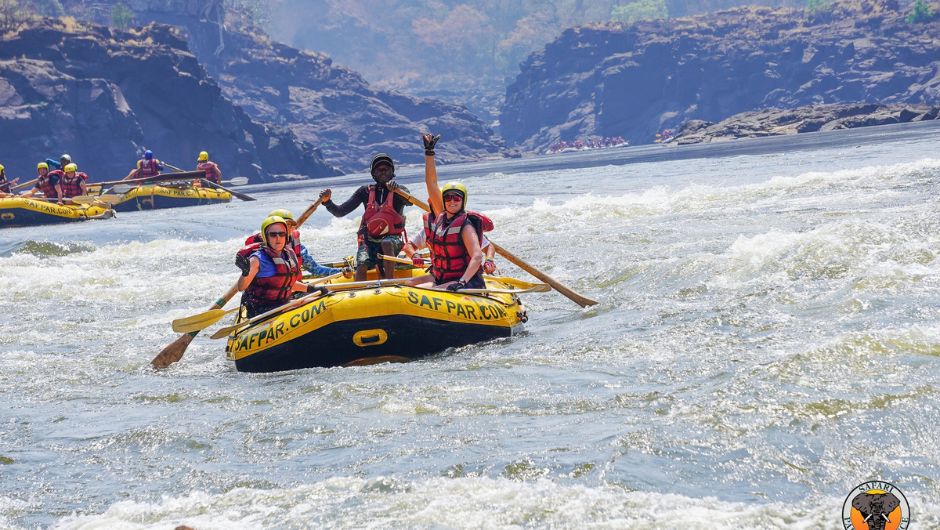
Swap the ordinary for an exhilarating adventure on the mighty Zambezi River, paddling over 100km towards the spectacular Victoria Falls. With wildlife encounters, nights spent camping beneath the stars and an adrenaline-fuelled finale in the Batoka Gorge, this is a challenge that combines endurance, adventure and some of Africa’s most iconic sights.
Highlights include:
- Paddle over 100km down the mighty Zambezi River.
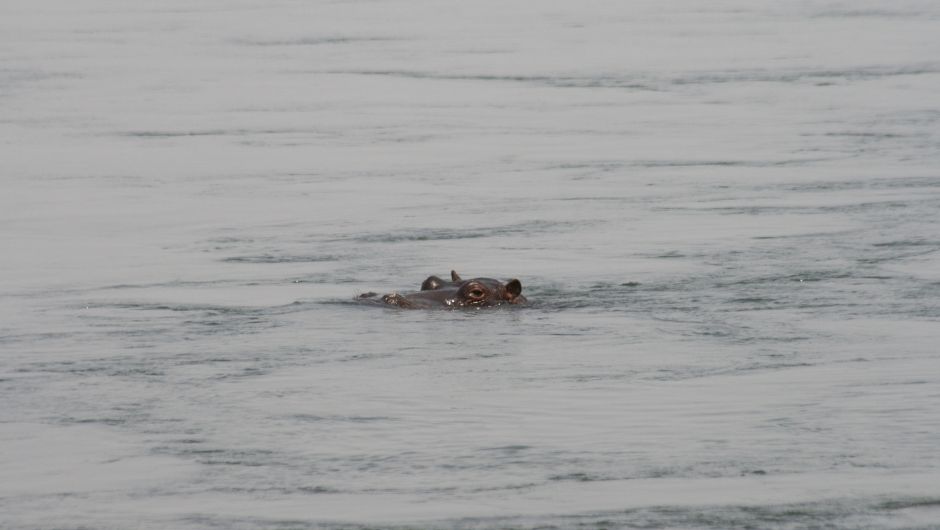
- Look out for hippos, crocodiles and elephants along the river.
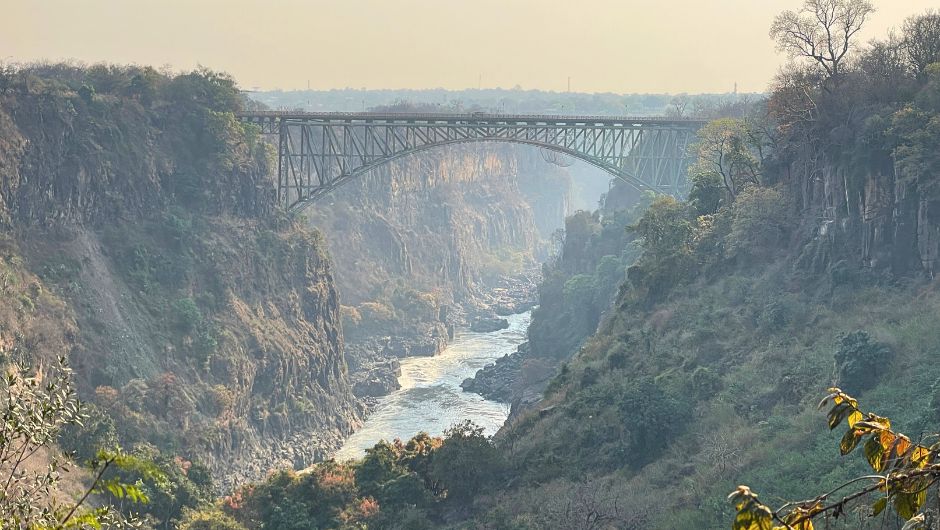
- Witness the ‘Smoke That Thunders’ – the spectacular Victoria Falls.
- Take on some of the world’s most exhilarating white-water rapids.
- Camp under the stars on the banks of the Zambezi.
What will I achieve?
This 10-day itinerary includes five days on the water, kayaking and rafting your way along more than 100km of the Zambezi River. Here’s what you’ll accomplish (and can proudly share with your sponsors):
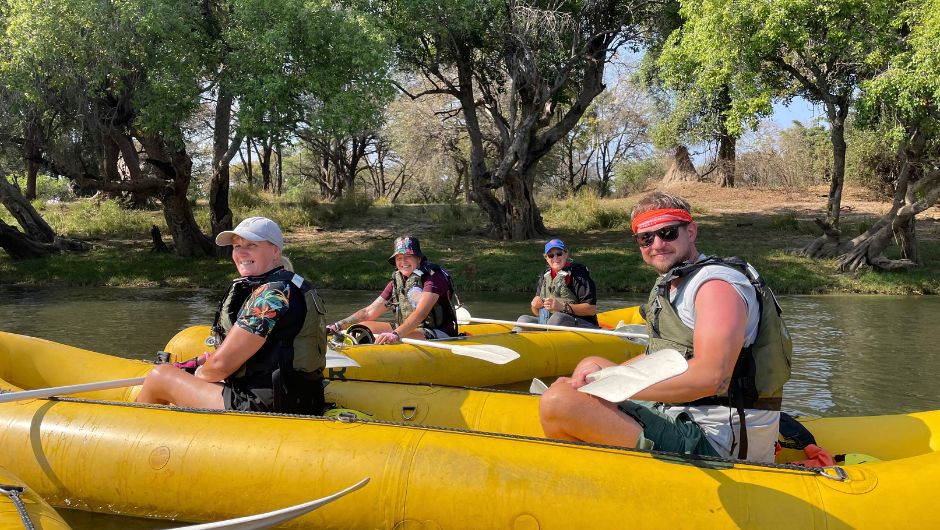
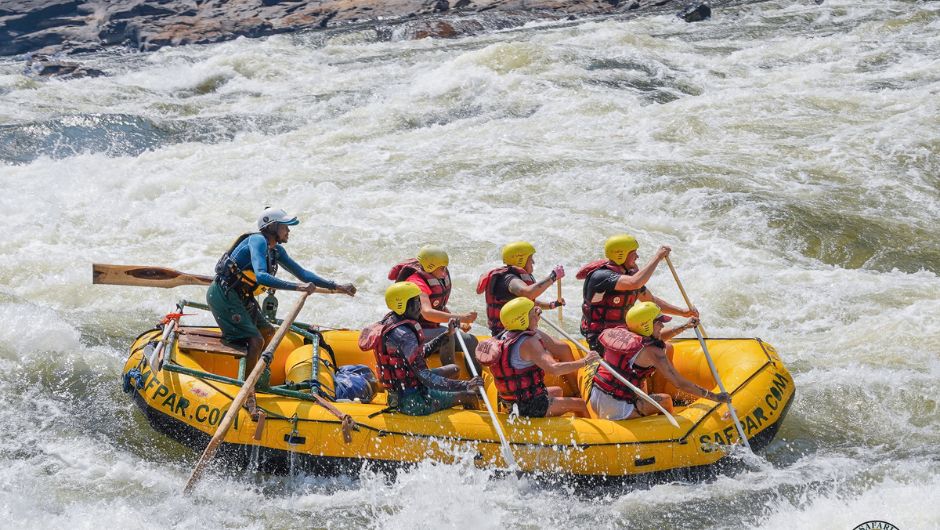
- Spend three days paddling the upper Zambezi, followed by two days tackling Grade 5 white-water rapids through the Batoka Gorge.
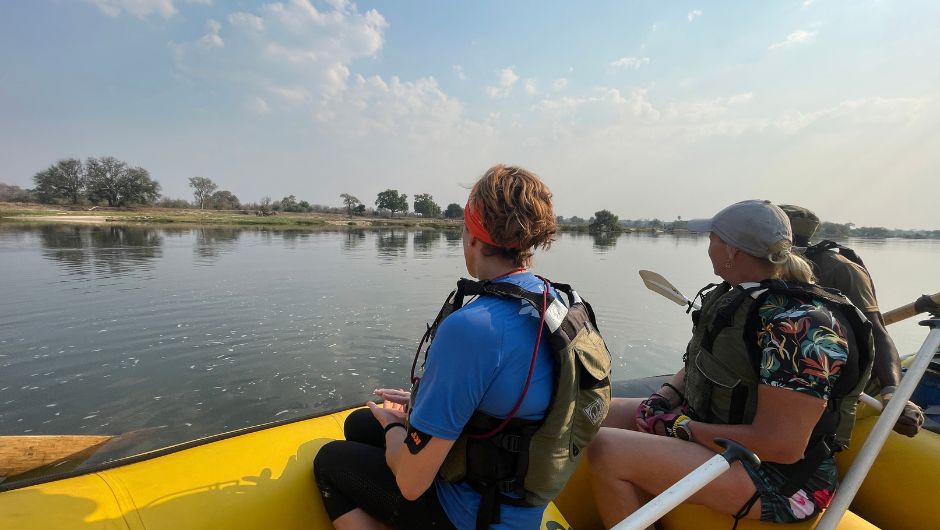
- Build your stamina and resilience through long days on the water, using inflatable kayaks and rafts.
- Conquer grade 5 white water rapids down the Batoka Gorge (this section of the Zambezi is considered to be one of the biggest commercial white-water runs in the world!).
- Battle the elements: the heat, strong sunshine and wind will impact your pace and make the flat sections surprisingly demanding.
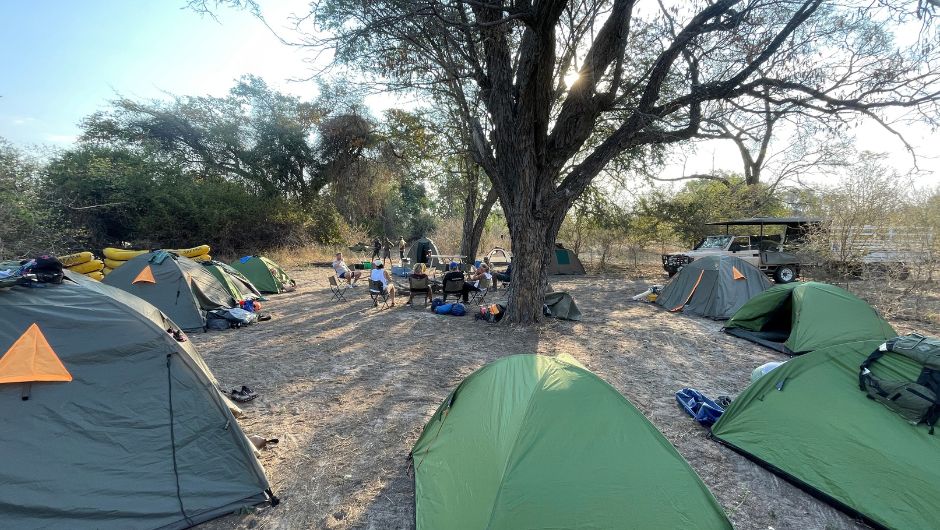
- Wild camp and listen to the sound of wildlife under the stars on the Zambezi banks.
- Hike up steep banks to exit the gorge at the end of the trip.
I’m thinking of booking, what do I need to know?
For a quick overview of what to consider, we’ve pulled together some advice below – including top tips from our past challengers. For full details, please visit our Zambezi River Challenge webpage.
1. Training for the Zambezi River Challenge
The Zambezi River Challenge is graded as Extreme, with five consecutive days of kayaking and rafting covering more than 100km. You’ll spend long days on the water, using your upper body and core repeatedly while dealing with heat, sunshine and wind. Getting some experience on a kayak or raft beforehand will help you familiarise yourself with the movements required, while strength and endurance training can prepare you for the physical demands of the river. It’s also worth including some hill walking to prepare for the steep hike out of the Batoka Gorge!
Top Tips:
- “This is a very physical challenge, and you will discover that you move and twist your body in ways you haven’t before! Get out on a kayak and raft beforehand to familiarise yourself with the paddle strokes and body movements, and in the gym focus on core endurance, pulling strength, shoulder stability, and leg endurance.” – Jenn Payne, Challenge Leader
2. Packing Essentials for the River and Camping
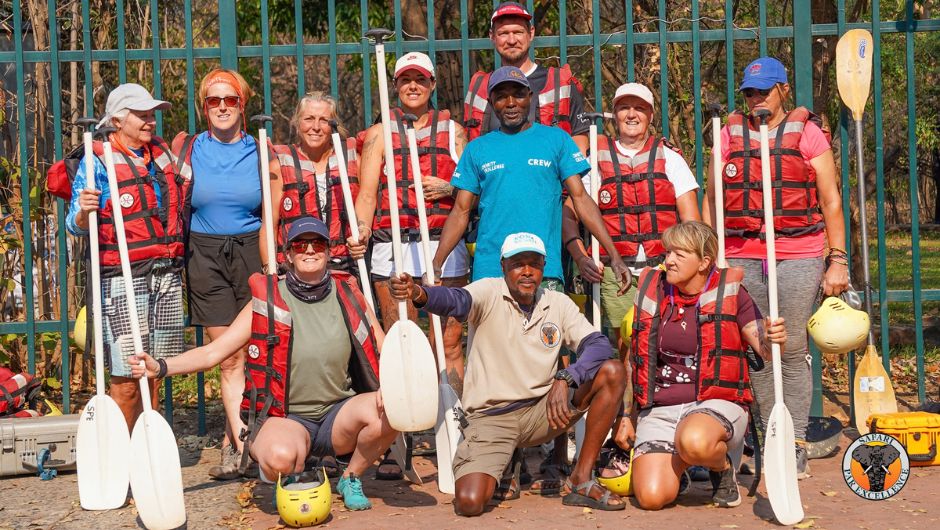
Packing carefully will make life much easier on the Zambezi. You’ll spend long days on the water and several nights camping along the river, so focus on lightweight, practical kit that protects you from the sun, heat and insects while keeping your essentials dry and accessible. You can read the full Kit List here.
Top Tips:
- Keep your essentials dry: “You are out on the water all day so its important you carry a 10 litre dry bag that you can clip onto the kayak / raft that holds all your essentials – SPF, lip balm, mosquito repellent, hat / cap (one you can wear under your helmet), long sleeve top (it gets hot on the water after lunch), personal medication (don’t forget your inhalers, painkillers and electrolytes), toilet bag (toilet paper, antibacterial hand gel, zip lock bags / sanitary bags), your favourite snacks and a water bottle. Nalgene bottles are best as you can clip them onto your dry bag and raft with a carabiner” – Jenn Payne, Challenge Leader
- Protect your hands: “Sadly blisters are likely on your hands due to the repetitive nature of kayaking and rafting for 5-days. Kayaking or sailing gloves are a must, but cycling gloves can also be used. The priority is to have padding over the palm of your hand. Fingerless gloves mean you can have quick access to your phone if you want to take some photos and videos out on the water. Prevent and treat blisters with KT Tape or Zinc Oxide tape.” – Jenn Payne, Challenge Leader
- Choose practical footwear: Your feet will get wet getting in and out of the kayaks, so supportive river shoes, closed sandals or quick-drying trainers with good grip are recommended
3. Preparing for the Zambezi Environment
The Zambezi is a wild and remote environment, so being prepared for the conditions will help you make the most this once in a lifetime trip. Our September dates fall in the dry season, but temperatures can still reach 28–33°C, with strong sunshine, humidity and wind adding to the physical demands. You’ll also be sharing the river and its banks with an incredible range of wildlife, from hippos and crocodiles to elephants, monkeys and colourful birds!
Top Tips:
- Be ready for mosquitoes: “Mosquitoes are most active around dawn and dusk, with activity often increasing about 30 minutes before sunrise and sunset. Pack lightweight long-sleeved tops and trousers to wear around camp, particularly at these times. Sitting near the campfire can also help keep mosquitoes at bay, but it’s vital to use insect repellent too.” – Jenn Payne, Challenge Leader
- Embrace the local experience: “Make sure you interact, talk to and learn from the local guides as much as you can. It was one of the top things I take away from the experience getting to know them all and learning so much about the local culture and wildlife.” – Ryan Day, Challenge Participant
- Expect a wild adventure: From noisy nights with elephants and hippos nearby to camping beneath the stars, the environment is very different from everyday life. Come prepared to embrace the experience and the simple realities of spending time in the wilderness.
- Respect the wildlife: Encounters with wildlife are one of the highlights of this challenge, but always listen carefully to your expert guides and rangers. You may spot hippos, crocodiles and elephants along the river, as well as a variety of birds, monkeys, interesting insects and other wildlife around the camps!
Why book the Zambezi River Challenge with Charity Challenge?
Our Zambezi River Challenge has been designed to combine an adventurous river expedition with experienced leadership and robust safety procedures. Here’s what makes this challenge special:
- Experienced leaders and guides – Your group will be accompanied by trained and experienced local guides throughout the expedition, including fully qualified white-water guides for the rafting sections.
- Wildlife safety – Experienced armed Zambian Wildlife Authority rangers will be close by as you travel along the Zambezi, providing additional support in this remote environment.
- Safety comes first – Your welfare is our top priority. Our Challenge Safe system brings together the procedures and risk-management strategies used to assess and manage every aspect of our challenges, from activities and vehicles to accommodation.
- Time to explore Livingstone – With spare time on the final day, there may be opportunities to experience some of Livingstone’s other adventure activities, from bungee jumping and microlight flights to abseiling. (These activities are optional and undertaken at your own risk).
Fundraising – Since 1999, we have specialised in operating challenges for charity fundraisers. We partner with 1000’s of UK and Irish charities already – and our team is happy to reach out to a charity of your choice to make your dream fundraising challenge happen. (Or, if you don’t fancy fundraising, the good news is you can simply self-fund and join us anyway!).
To conclude… start prepping!
If you are now seriously considering taking on the Zambezi River Challenge, we recommend heading over to our website to read through our full Itinerary, Costs, Kit List and extensive Essential Information tabs. You’ll find everything you need to know here in detail, from timings, locations, accommodation, difficulty level breakdowns, training advice, group safety and much, much more (including answers to those all-important ‘what if?’ questions).
Our blog also hosts a wealth of resources to help prepare you for your fundraising challenge.
Remember, the Zambezi River Challenge is graded as ‘Extreme’. Long days on the water, demanding rapids and immersive wild camping will test your physical endurance and mental resilience to the max. It’s a thrilling adventure that will push you well beyond your comfort zone and reward you with an incredible experience on the Zambezi.



No Comments