
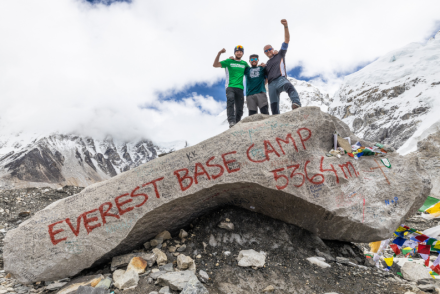
Everest Base Camp is one of our most iconic and demanding mountain trekking challenges. It’s a true endurance test for those willing to push their body and mind to the next level. Keep reading this Everest Base Camp Essential Guide for our top tips and challenger advice to help make yours the adventure of a lifetime!
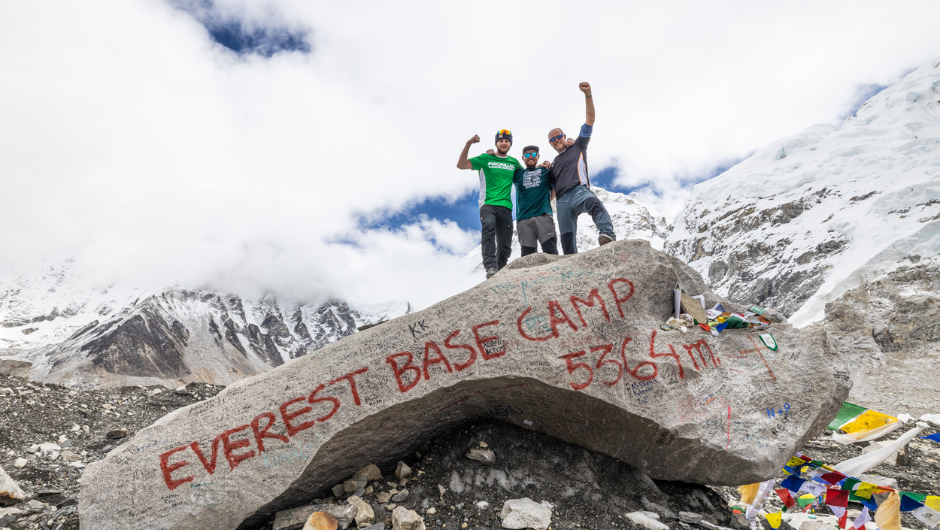
What is the Everest Base Camp challenge?
Trek to the base of the world’s highest mountain, Mount Everest, starting from Lukla and passing through Sherpa villages, monasteries, and jaw-dropping suspension bridges. Standing at 8,848m, Everest provides the ultimate backdrop for this life-affirming adventure.
Highlights include:
- Trek under the presence of the mighty Mount Everest and take in breathtaking Himalayan panoramas.
- Cross suspension bridges and traverse the formidable Khumbu Icefall.
- Visit Everest Memorial Ground and historical landmarks along the route.
- Experience the colourful, bustling Sherpa Capital of Namche Bazaar.
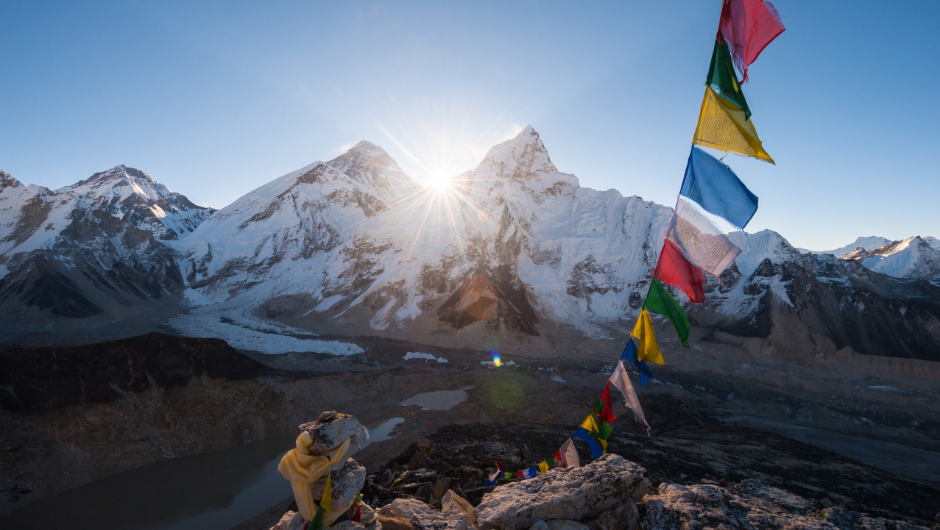
- Awe at the sight of Everest’s peak from the top of Kalapatthar.
- Explore Nepal’s magical capital, Kathmandu.
What will I achieve?
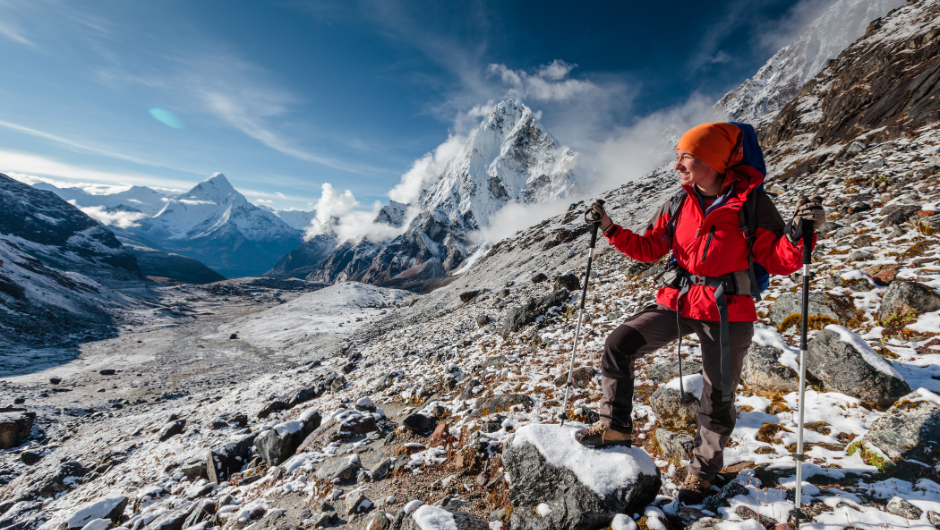
This 18-day expedition is graded as ‘extreme’ and involves 12 days of trekking through difficult terrain, cold weather and high altitude. Here’s a breakdown of what you’ll accomplish (and can proudly share with your sponsors):
- Trekking for 12 days consecutively, without access to showers, proper washing facilities or home comforts.
- Trekking at high altitudes of up to almost 6000m!
- Suffering temperatures below zero degrees, especially overnight and on early morning starts.
- Staying overnight in accommodation with very basic facilities.
- Traversing uneven terrain, multiple steep ascents and descents, and crossing hair-raising swing bridges.
I’m thinking of booking, what do I need to know?
For a quick overview of what to expect, we’ve pulled together some advice below – including top tips from our experienced team and past participants. For full details, please visit our Everest Base Camp webpage.
1. Kit and Sleeping System Considerations
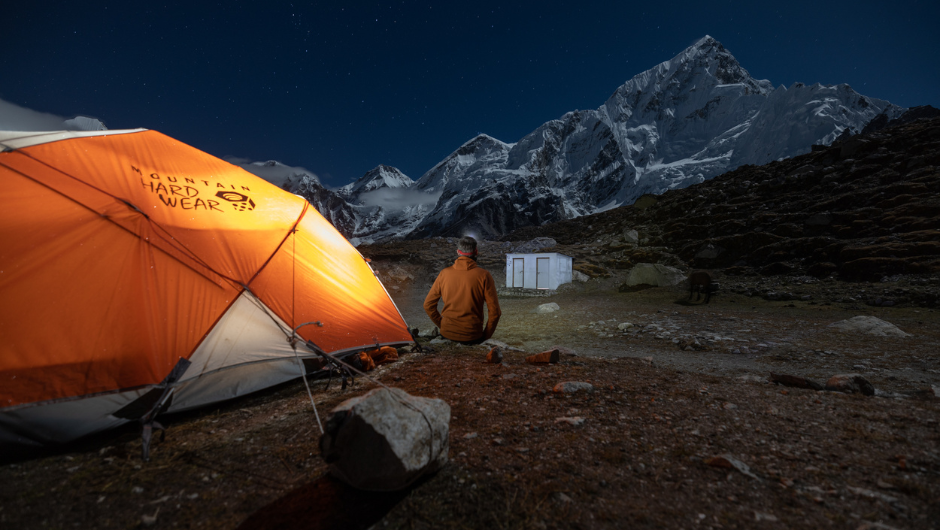
Trekking to Everest Base Camp demands careful planning when it comes to your kit and sleeping system. With freezing night-time temperatures, basic teahouse facilities and trekking at altitude, staying warm, dry and organised is essential! A comfort-rated sleeping bag (0°C to -10°C), light layered clothing, reliable worn-in boots and a well-fitted day sack will form the foundation of your gear. Prioritising sleep, sanitation and packing organisation will not only keep you comfortable but also help you recover properly each day and perform at your best on the mountain. Remember, always refer to your challenge Kit List for a comprehensive run down of what to pack.
Top Tips:
- “Having a good quality down sleeping bag, along with a liner will keep you warm. Work out how to create a pillow (I took a pillow case which I stuffed with various items of clothing). Also take thermal trousers and tops to keep you warm at night. It’s a long trip, so being warm and cosy so you can get a good nights sleep makes all the difference!” – Andy Killey, Head of UK Operations
- “It’s always very important to make sure you keep as clean and healthy as possible to be able to complete the challenge. Loads of hand gel and wet wipes are a must!” – Matthew Holdsworth, Participant
- “Take a warm pair of trousers to change into at the end of the day… use dry sacks for organising clothes, keep your camera batteries warm during coldest weather and put your clothes for the next day inside your sleeping bag.” – Ann Harper, Participant
2. Make Your Training Count
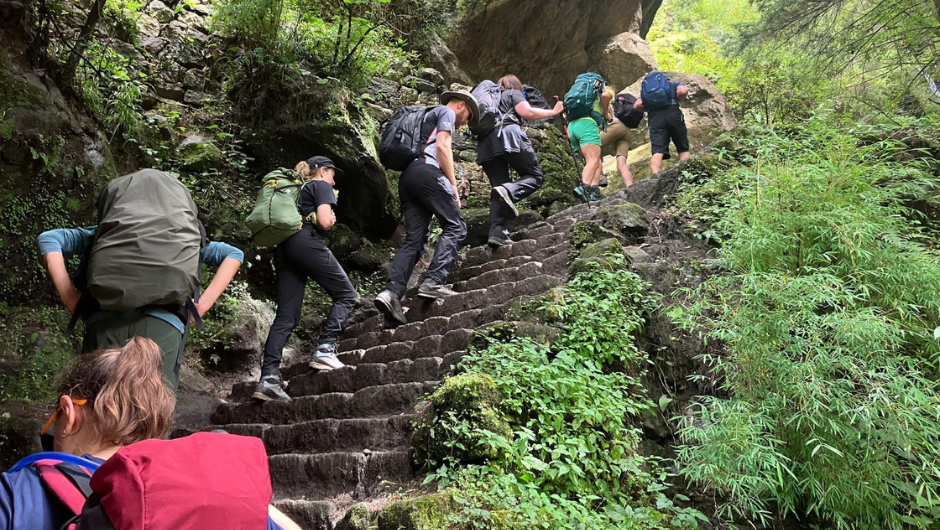
This is an ‘Extreme’ challenge for a reason – give yourself enough time to train and don’t take it lightly. Consecutive days, high altitude, cold, and lower quality sleep make it tougher than regular hikes. Focus your training on endurance with long weighted hikes, hill climbs, and stair training, gradually building up to prepare your body for the demands ahead. The standout advice from our participants is that you should aim to get your fitness level as high as you can, to make your trip as enjoyable as possible.
Top Tips:
- “Make sure you train properly; there are several steep slopes which are even more difficult at high altitude; be prepared for long days walking. If you accept the terrain, altitude, possibility of bad weather and delays to flights, and lack of creature comforts for what they are before you go, you’ll have a really good time and find the whole experience really rewarding. If you don’t, you’re probably on the wrong trip!” – Andrew Wilmot, Participant
- “Train on steps! There’s a lot of uphill climbs in the trek. With the altitude affecting breathing and muscle strength, it does get difficult! Stair training will definitely help. Also practice squatting – for the toilets! After a hard day walking, squatting over a hole in the ground to do your business is surprisingly tiring!” – Iona Nelson, Participant
- “Get as fit as you can – really worth it and you will enjoy the trek so much more.” – Ali Cork, Participant
3. High Altitude Preparations
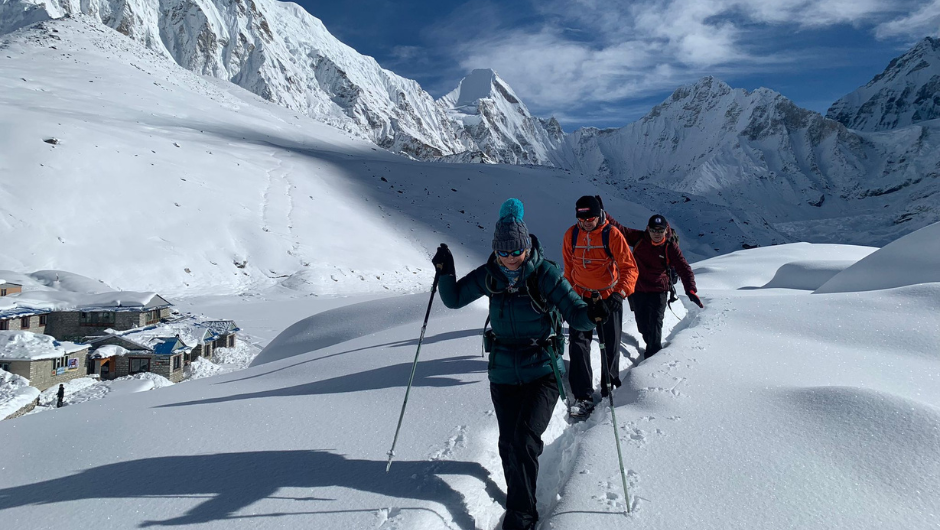
Everest Base Camp takes you to altitudes above 5,000m, where oxygen levels are significantly reduced and your body must work harder to adapt. That’s why we carefully build acclimatisation days into the itinerary, allowing your body time to adjust gradually and helping to reduce the risk of altitude sickness.
Remember, anything over 2,500m is considered high altitude and affects the body, so proper acclimatisation is key. Take advantage of our expert partners at The Altitude Centre, who offer Charity Challenge participants free online group consultations covering acclimatisation, altitude advice, training tips and Q&A sessions with their specialists. Our participants also receive 50% off bespoke training plans tailored to specific treks like Kilimanjaro.
Top Tips:
- Staying well hydrated is vital, as it helps maintain circulation and oxygen flow while your body adjusts to reduced oxygen levels at altitude. Steady hydration is key – drink little and often, and use electrolytes. If you experience symptoms like headache or nausea, don’t ignore them; keep sipping, listen to your body, and speak to your leaders. – Jenn Payne, Challenge Leader
- Follow the advice of your local guides – they’re the experts! Keep to the recommended pace, even if it feels slower than usual. – Andy Killey, Head of UK Operations
Mind Over Mountain
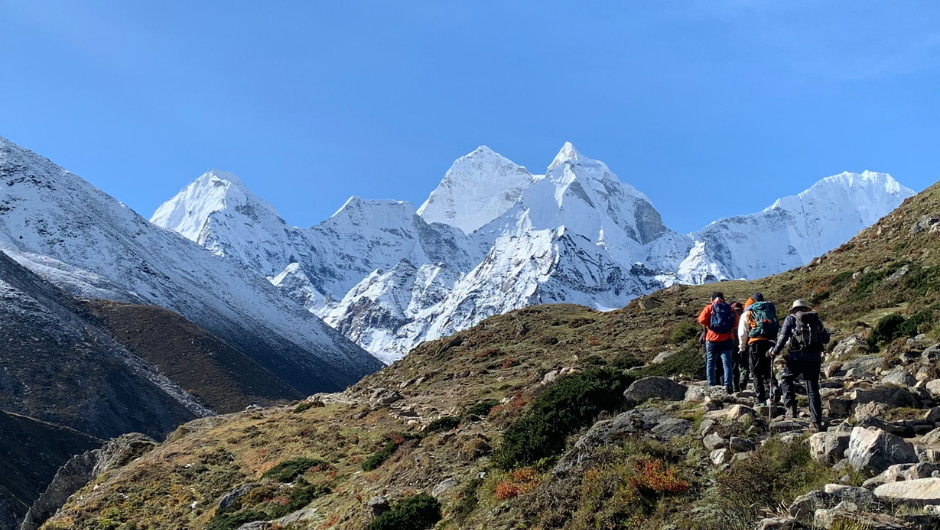
Mentally preparing for Everest Base Camp is just as important as physical training. Building resilience, setting realistic expectations, and visualising the journey ahead will help you stay focused and ready to tackle the long days and mountain conditions. Remember, when you choose to travel with Charity Challenge, you’ll be in a group of like-minded, determined individuals. The genuine support your fellow challengers provide on the journey will be invaluable!
Is booking Everest Base Camp now on your bucket list? Here’s some extra inspiration straight from our challengers…
- “Getting to the top of Kalapatthar and seeing Everest in the glorious sunshine was one of the high spots in my life so far.” – Ali Cork, Participant
- “Absolutely Phenomenal! The best thing I have ever done in my life. We were blessed with a great group and even better leaders. The views will stay with you forever, and the Sherpa’s and guides could not do enough for you, they made the trip for us. Thoroughly recommend this trip to anyone!” – Jessica Bye, Participant
- “To say it was the adventure of a lifetime is actually underselling it and words really don’t describe the experience. The scenery was stunningly majestic, the people we met along the way were gentle and welcoming, the people I trekked with were supportive and great company and really were a truly extraordinary bunch. The Sherpas who supported us were exceptional and very patient, the route was brutal and unforgiving in places – but I wouldn’t change a single thing.” – Deborah Stott, Participant
Why should I book Everest Base Camp with Charity Challenge?
Over the years Charity Challenge has built up a wealth of experience that has enabled us to create an exhilarating and responsibly-led Everest Base Camp expedition.
- Expert high-altitude support – Led by experienced trek leaders, Sherpa guides and dedicated medics, with safety and wellbeing prioritised every step of the way.
- Built-in acclimatisation days – Carefully planned rest days in Namche Bazaar and Dingboche maximise your chances of reaching Everest Base Camp safely and successfully.
- Contingency planning included – Flexible scheduling and reserve days account for potential weather delays on the flight to Lukla, reducing risk and protecting your experience.
- Thoughtfully crafted itinerary – The optional ascent of Kalapatthar ensures you witness Everest’s summit – something not visible from Base Camp itself!
Fundraising – Since 1999, we have specialised in operating challenges for charity fundraisers. We partner with 1000’s of UK and Irish charities already – and our team is happy to reach out to a charity of your choice to make your dream fundraising challenge happen. (Or, if you don’t fancy fundraising, the good news is you can simply self-fund and join us anyway!).
To conclude… start prepping!
If you are now seriously considering taking on the Everest Base Camp challenge, we recommend heading over to our website to read through our full Itinerary, Costs, Kit List and extensive Essential Information tabs. You’ll find everything you need to know here in detail, from timings, locations, accommodation, difficulty level breakdowns, training advice, group safety and much, much more (including answers to those all-important ‘what if?’ questions).
Our blog also hosts a wealth of resources to help prepare you for your fundraising challenge.
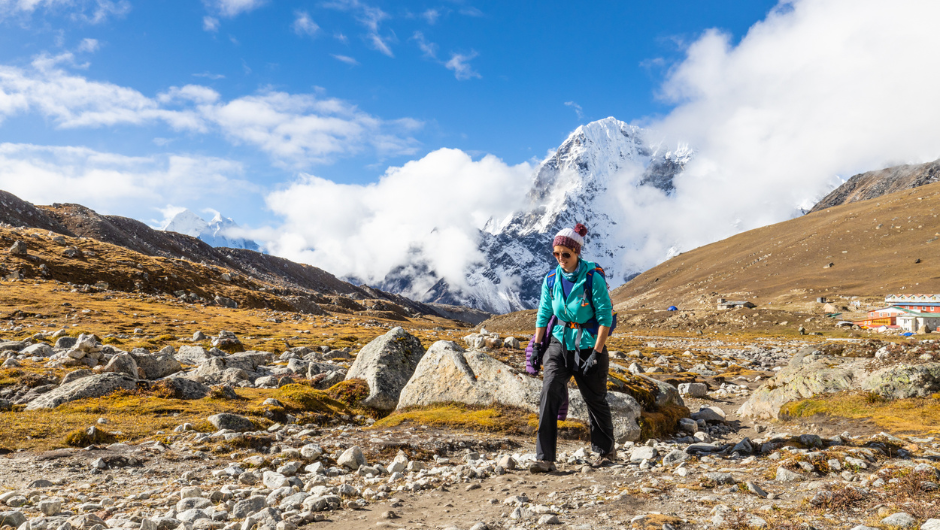
Remember, Everest Base Camp is an ‘Extreme’ challenge. It’s an endeavour to be taken seriously, committing to as much physical and mental preparation as possible. Above all, it’s an overwhelmingly rewarding trek to complete – making it an impressive choice for an Overseas Charity Challenge!




No Comments