Inspiration, Latest News

WIN A PLACE ON OUR EXCLUSIVE VIP (INVITE ONLY) SAHARA DESERT TREK

June 5, 2026

For nearly three decades, tens of thousands of incredible challengers have walked, biked, climbed and trekked throughout the world to raise life-changing funds for charities close to their hearts.

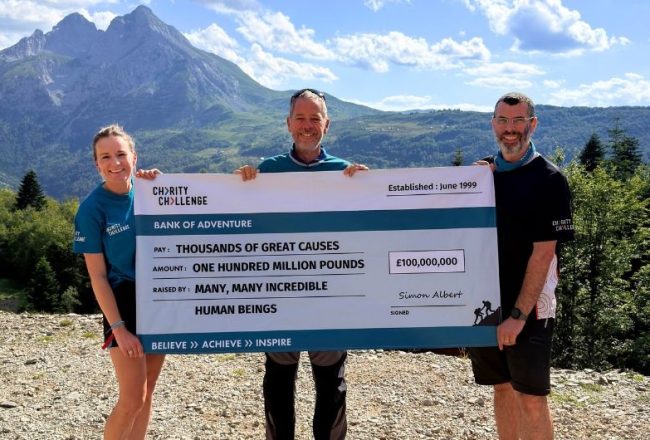
Together, we’re about to reach an extraordinary milestone: £100 million raised for good causes!

As we celebrate our 27th birthday, we’re launching a very special campaign to recognise the people behind every mile, every blister, every fundraising page and every unforgettable finish line.

Every fundraising challenge has a story. We want to know “what’s yours?”

Charity Challenge £100 million fundraising milestone graphic with participant photos forming the words '100 Million'

Competion Details

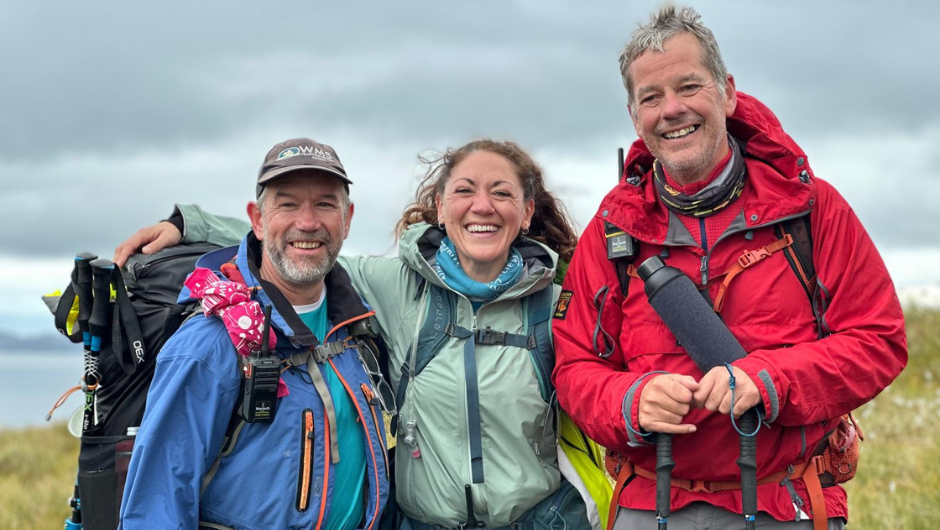
We’re inviting you to share the story behind your fundraising journey for the chance to win a place on an exclusive VIP Celebration trek in the Sahara Desert next April.

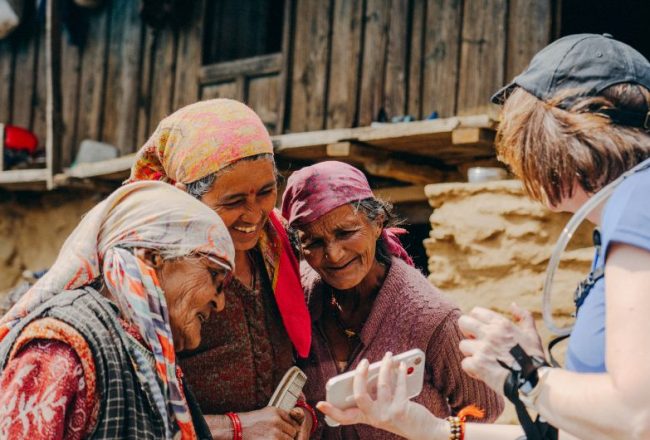
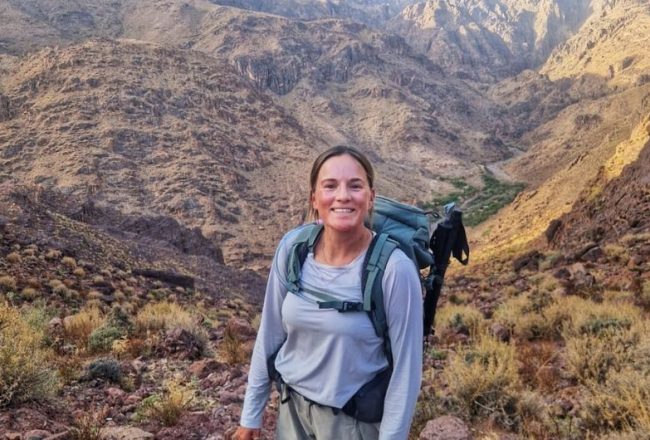
Whether you climbed your first mountain, honoured someone special, conquered your fears or raised an impressive amount of life-changing funds, your story could become one of the 100 Faces of £100 Million.

We will also be offering additional prizes for bronze, silver and gold in the following categories:

  • 🏆 Most Inspiring Story  
  • 🏆 Outstanding Fundraising Achievement  
  • 🏆 Legacy Award (Long term supporter)

The competition is open to anyone aged 18 or over who has taken part in a fundraising challenge event for a charitable cause. Participants do not need to have previously travelled with Charity Challenge to enter.

Full competition terms and conditions can be found here.


How To Enter The Competition

To enter, contestants must:

  • Share the story behind your fundraising journey (example above)
  • Submit one portrait video of no more than 90 seconds in length

The competition opens on 10 June 2026 (our birthday) and closes at midnight on Friday 28th August 2026. Entries received after the closing date may not be considered.

Full competition terms and conditions can be found here.


Selection Process

Entries will be judged by a panel of Charity Challenge legends, including Founder / Director Simon Albert, Head of Sales & Marketing Jenn Payne, and long-standing challenge leaders Lizzy Codd and Ian Morton.

Participants will be selected based on:
🏆Inspiration and storytelling;
🏆Creativity and originality;
🏆Passion for fundraising and challenge events;
🏆Connection to the Charity Challenge community 

Selected participants and prize winners will be contacted on Friday 4th September 2026 using the details provided during entry.


Challenge Details

Join this exclusive, invite only adventure in the awe-inspiring Sahara Desert to help Simon and the Charity Challenge team to celebrate reaching £100,000,000 in funds raised through our challenges, across more than 50 countries over 27 years!

In April 2027, 100 incredible people who have played a key role in the journey to reach £100million will come together to trek 100km across the Sahara Desert and you could be one of them!

This five day trek passes through Morocco’s forbidding Sahara landscape punctuated by peaks, gorges, dunes and oases. At night, you will sleep under Africa’s star strewn skies and enjoy traditional Berber hospitality. 

Although challenging, and through an unforgiving landscape, this trek promises to be life changing. 

8 days | Morocco | Challenging

Believe Achieve Inspire
Latest News, Tips & Advice

TAKING CARE OF YOUR FEET

June 3, 2026

If I could explain exactly why some people get blisters or foot pain and others don’t, this would be a very short article. The reality is far less predictable!

Even experienced walkers can train for months without issue, then wake up on day three of a trek with a blister the size of Mt Vesuvius or sharp foot pain the moment they step out of their tent. You can’t eliminate the risk entirely – but you can stack the odds firmly in your favour…

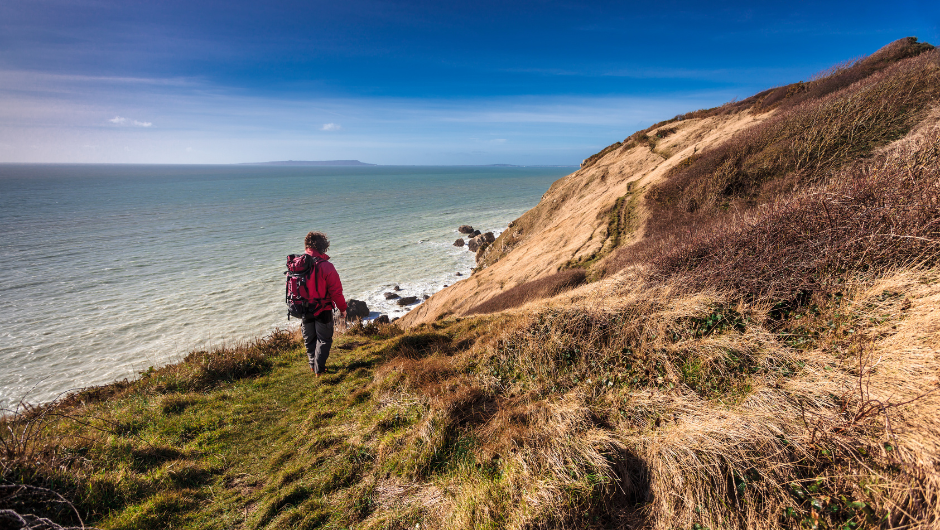
A person wearing a rain jacket and backpack, walking along a coastal path next to the sea.

Train Like You Mean It

There’s no shortcut here. The single most effective thing you can do is spend time on your feet!

The more miles you walk in your boots, the more your feet adapt to pressure, friction, and long days on mixed terrain. This is especially important if you’re preparing for UK conditions, where routes often include hilts, mud, uneven ground and long descents. Well-conditioned feet are far less likely to react badly when the challenge begins.

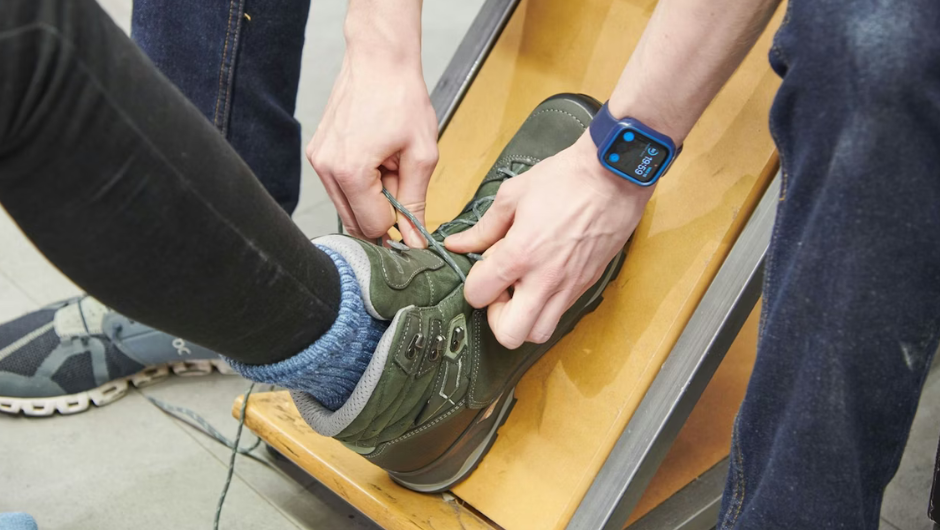
A person's foot being fitted with walking boots by a professional.

Get Properly Fitted Boots

A good boot fit is one of the biggest factors in preventing foot problems. It’s always worth going to a specialist outdoor retailer, such as our partner Cotswold Outdoor and getting fitted property. Most people will go up about a size, which allows room for foot swelling and helps prevent your toes from hitting the front of the boot on descents – one of the main causes of painful toenail blisters.

It’s also worth trimming your toenails about a week before your trek. It’s a small detail, but it can make a noticeable difference.

Cotswold Outdoor offer support to Charity Challenge participants through their Explore More scheme. By creating an Explore More account, you gain immediate access to members-only benefits from exclusive offers to extended warranty, and it’s completely free. Sign up here: Explore More | Cotswold Outdoor.

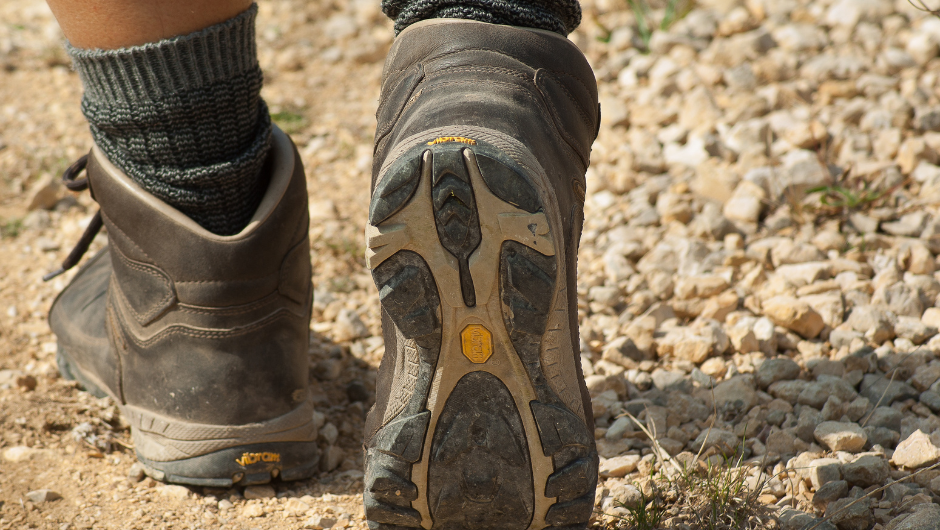
a close up of walking boots walking along a gravel road.

Choosing The Right Waterproofing

Not all boots are equal when it comes to waterproofing, and what you choose should reflect where you’re going. Many experienced leaders still favour full leather boots because they’re durable and can be reproofed repeatedly using products like Nikwax or Grangers Wax. They tend to last longer, especially in consistently wet environments like the UK.

Fabric or membrane-lined boots are tighter and more breathable, which can be more comfortable in warmer climates. The trade-off is that they require more maintenance and generally don’t last as long.

If you’re expecting boggy ground or heavy rain – very possible on UK treks – gaiters are welt worth considering. Just remember they should sit under waterproof trousers, not over them.

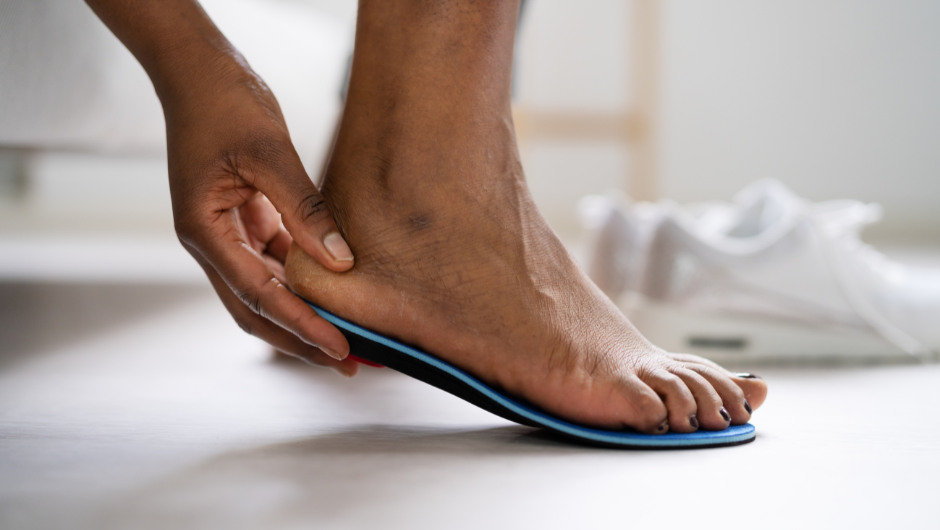
a person's hand holding a shoe insole against the sole of their foot.

Don’t Overlook Insoles

Insoles are often underestimated, but they play a big role in comfort. If a fitter recommends a different footbed, it’s usually for a reason. And when those insoles wear out, replacing them with the same type helps maintain the fit of your boots. Changing them can subtly alter how your foot sits, which may create new pressure points.

Taking them out each evening to dry is also a simple habit that helps keep your boots in better condition. Orthotics can be helpful for specific issues, but they should only be used under guidance from a podiatrist. Changing your foot alignment affects your entire movement pattern, and even a short walk with poor alignment can lead to knee, hip, or back discomfort.

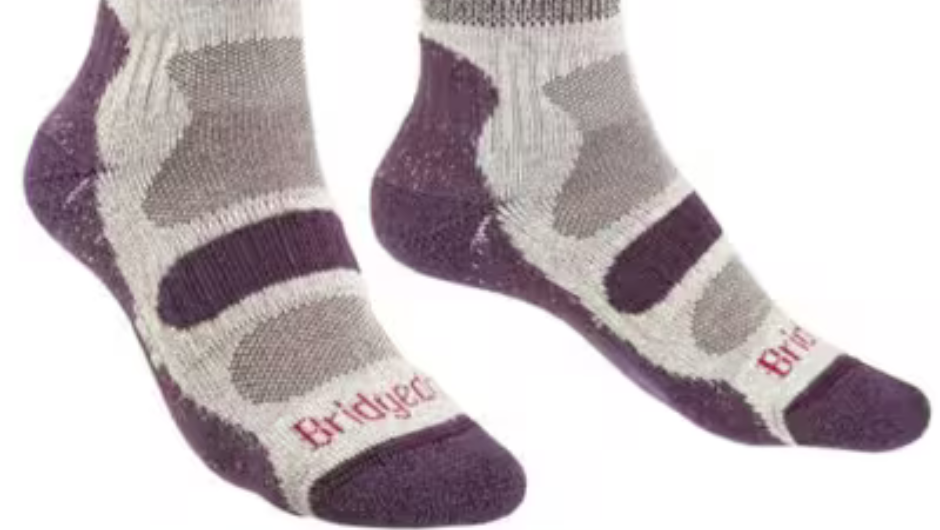
a pair of bridgedale trekking socks

Socks Matter More Than You Think

Socks are one of the easiest things to get right – and one of the most overlooked. A good pair can significantly reduce friction and help manage moisture. Brands like Bridgedale are popular for a reason, but what matters most is finding what works for your feet.

Some people prefer merino blends, others wool or cotton. In hotter climates, toe socks can be surprisingly effective because they reduce friction between the toes.

It’s also worth experimenting with liner socks and carrying a spare pair each day. Changing your socks halfway through a walk and letting your feet air out while you stop for lunch can feet like a complete reset!

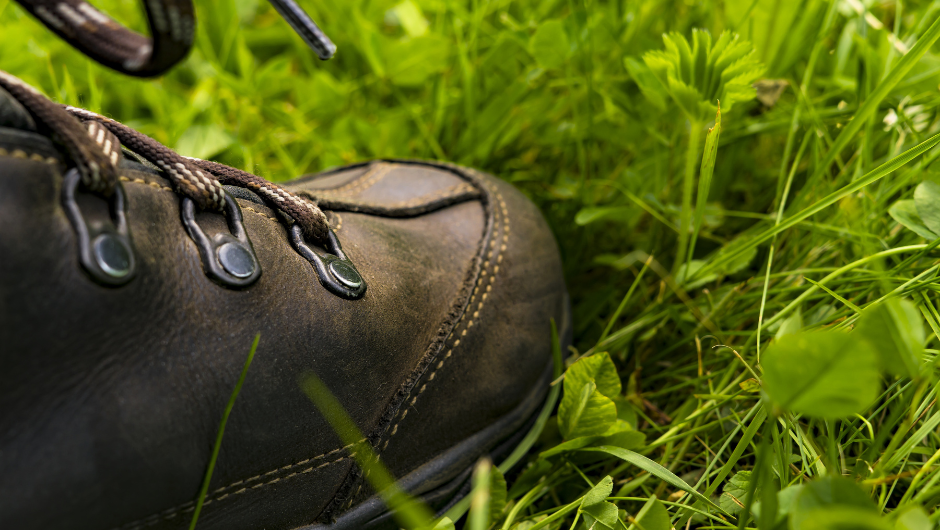
a close up of a walking boot in grass, highlighting the laces.

Small Adjustments: Lacing and Fit

Sometimes it’s not your boots – it’s how you’re wearing them. If you’re experiencing heel lift or pressure points, adjusting your lacing technique can make an immediate difference. A simple heel lock can stop your foot sliding, while other methods can relieve pressure across the top of your foot.

It’s worth experimenting before your trek so you know what works.

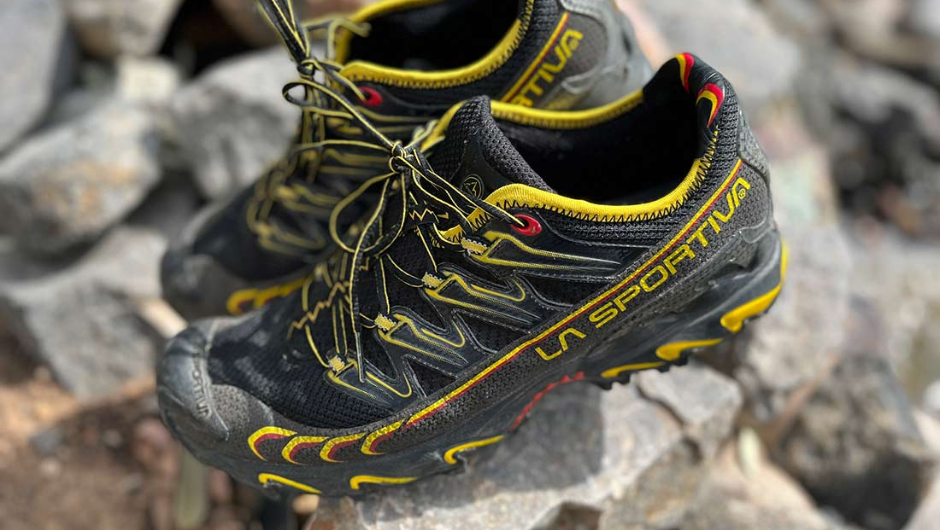
a pair of black and yellow trail shoes balanced on a rock

Boots or Trail Shoes?

Boots are often recommended for treks, but they’re not always essential. For example, a summertime long-distance walk in the UK – such as along the South Downs – might suit a lighter trail shoe, depending on your experience and the terrain.

Boots provide more ankle support, but that support can also mean your ankles do less work. If you have time to train, walking
on uneven ground in trail shoes can help build strength and stability in your ankles.

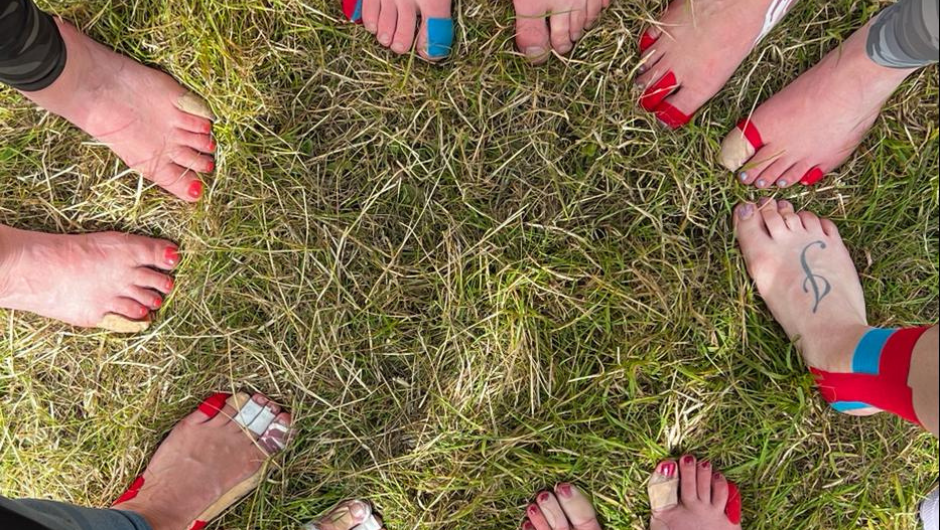
a circle of bare feet stood in the grass, each taped up with plasters or kinesiology tape.

Watch for Early Signs of Foot Pain

If you increase your mileage too quickly, your feet will usually let you know. Pain in the heel or arch can be a sign of planter fasciitis – irritation of the tissue that runs along the bottom of your foot. It’s common among walkers who ramp up training too fast.

Simple measures like rolling your foot over a massage ball (or even a cold bottle) or applying SportsTape Kinesiology Tape (KT) can help ease symptoms. Elevating your feet at the end of the day also makes a noticeable difference.

Over-the-counter pain relief can help in the short term, but if pain continues, it’s worth getting proper advice before it becomes a longer-term issue.

As a Charity Challenge participant you get a 10% discount from our partners at SportTape. To redeem this offer, use the discount code that can be found in your participant account area under clothing & equipment, at time of purchase.

Recovery Matters Too

Looking after your feet doesn’t stop when you finish walking for the day. One of the simplest and most effective things you can do is take your socks off, lie back, and elevate your feet for a while. Half an hour with your feet raised helps to reduce swelling, improves circulation and gives your skin a chance to recover.

And when you get home? A bit of proper TLC won’t go amiss. You’ve earned it!

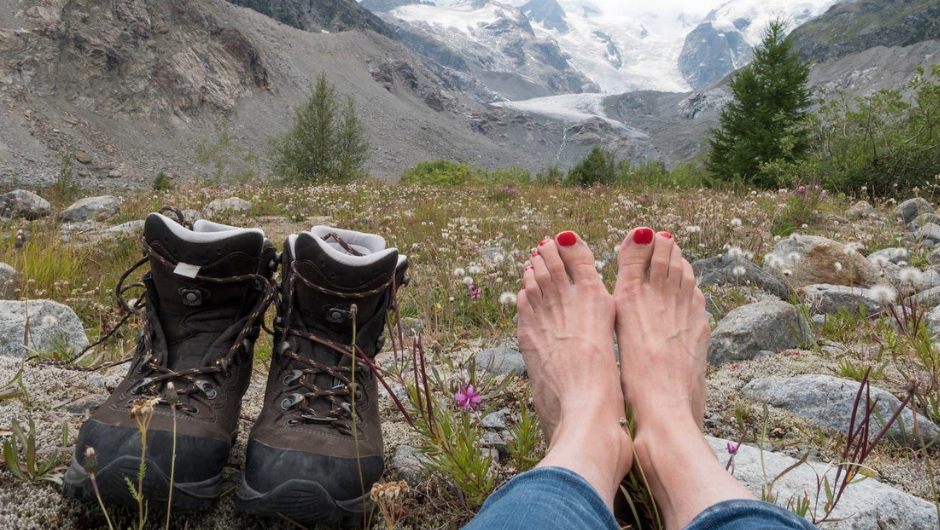
a pair of bare feet, with a pair of open walking boots next to them, perched on a rock, with a mountain view in the background.

Final Thoughts

Foot issues are one of the most common problems on any outdoor challenge, whether you’re walking in the UK or heading overseas for a Charity Challenge. But most problems don’t come out of nowhere. They build slowly and that means you have opportunities to prevent them.

Put the training in, get your kit right, and pay attention to the small signals early on. It won’t guarantee a problem-free trek, but it will put you in a much stronger position to deal with whatever comes your way!

By Lizzy Codd, Challenger Leader

Believe Achieve Inspire

Challenges, Latest News, Tips & Advice

SAIGON TO ANGKOR WAT BIKE RIDE: AN ESSENTIAL GUIDE

May 20, 2026

The Saigon to Angkor Wat Bike Ride is a challenge for those who love the tropical vibes of South East Asia, the open road, and exploring ancient history. Discover the beauty of Vietnam and Cambodia by bike, cycling from Saigon to the world-famous temples of Angkor Wat.

Keep reading this essential guide for top cycling tips and insights to help you on the road to a successful ride!

a group of cyclists standing celebrating together in south east asia

What is the Saigon to Angkor Wat Bike Ride?

The Saigon to Angkor Wat Bike Ride is an unforgettable cycling adventure through the heart of Vietnam and Cambodia, covering 450km across seven days. From the waterways of the Mekong Delta to the ancient temples of Angkor Wat, this challenge combines tropical landscapes, rich culture and rewarding endurance cycling.

Highlights include:

  • Marvel at the Royal Temples of Angkor Wat, a UNESCO World Heritage Site.
  • Cycle 450kms through the lush Mekong Delta to Cambodia.
  • Follow endless miles of beautiful backwater roads.
  • Pass ancient temples, pagodas, and vibrant villages.
  • Embrace the freedom of life on a bike!
an ancient south east Asian temple, set against lush rainforest the bank of a river.

What will I achieve?

This 11-day challenge involves 7 days of cycling, covering 450km in total. Here’s a breakdown of what you’ll accomplish (and can proudly share with your sponsors):

  • Cycling for around 6-8 hours per day, covering approximately 450kms over 7 days.
  • Battling the heat and humidity of a tropical rainforest climate, with temperatures reaching 30s to low 40s.
  • Cycling through some exposed areas of the route, adding to the challenging climate.
  • Challenging your cycling skills against waterway crossings, plantations and on unpaved and dusty roads.
a group of cyclists wearing cycle gear, holding up a Charity Challenge flag during their Saigon to Angkor Wat Bike Ride challenge

I’m thinking of booking, what do I need to know?

For a quick overview of what to consider, we’ve pulled together some advice below – including top tips from our past challengers. For full details, please visit our Saigon to Angkor Wat Bike Ride webpage.

1. Be Ready for Different Cycling Conditions

The Saigon to Angkor Wat Bike Ride offers an incredible opportunity to experience Vietnam and Cambodia from the saddle, but the cycling conditions can be very different from those in the UK. From busy local traffic and narrow roads to steep bridges, tropical heat and lively village routes. Understanding what to expect will help you prepare and feel more confident once your challenge commences!

Top Tips:

  • “The terrain along the route is mostly flat, although there are quite a few bridges over canals and waterways, particularly in the Mekong Delta, which often involve steep gradients and sharp changes in direction. It’s a good idea to shift into your lowest or second-lowest gear as you approach the bridge, and increase the gap between yourself and the rider in front.” – Danny Barden, Challenge Leader
  • “Avoid using cleats unless you’re very experienced with them, as the route involves frequent stops and starts and less experienced riders can struggle to unclip quickly enough.” – James Marriott, Challenge Leader
  • “If you’re used to cycling two abreast on UK roads, be prepared for busier traffic conditions where it’s generally safer to ride in single file, as mopeds, trucks and cars will overtake whenever possible. Avoid the temptation to take photos whilst riding.” – Danny Barden, Challenge Leader
  • “Remember to go at your own pace. There’s no need to rush, especially on your first day cycling. Focus on enjoying the experience and building your stamina gradually”. – Yan Tin Si, Challenge Participant

A line of cyclists pushing their bicycles up a wooden bridge, surrounded by large palm trees

2. Training For Your Cycle Challenge

Training for the Saigon to Angkor Wat Bike Ride should focus on building endurance and preparing your body for long consecutive days in the saddle. While the terrain is mostly flat, the combination of heat, humidity, exposed roads and daily distances of up to 90km can make the challenge more demanding than many expect!

Your training should focus on:

  • Building cycling stamina for 6–8 hour riding days.
  • Getting comfortable cycling on consecutive days – a weekend of training is a good idea!
  • Improving leg strength, joint strength and balance.
  • Riding in warm weather where possible to prepare for the heat and humidity.
  • Practising gear changes and control on steeper and narrower terrain.

Top Tips:

  • “Despite the relative flatness of the whole route do still make sure to prepare yourself as much as you can for daily distances of up to 90km and in temperatures ranging between the high 30’s – low 40 degrees centigrade coupled with high humidity.” – Danny Barden, Challenge Leader
  • “Train on busy roads so you aren’t overwhelmed by the bigger towns, and train on hot days in the UK.” – Rachel Walker, Challenge Participant
  • “My biggest pre-challenge tip is to ensure you spend plenty of time riding a bicycle and ensure you have covered a distance in a training ride that will be equal to or greater than the distance you will be cycling during one day on the challenge (so roughly 80km). You’d be amazed how many people don’t train for this!” – James Marriott, Challenge Leader
A smiling cyclist holding her bike upright as another cyclist helps adjust the bike seat.

3. Prioritise Comfort, Sun Protection and Hydration

The heat and humidity on the Saigon to Angkor Wat Bike Ride can be just as challenging as the distance itself, so the right kit can make a huge difference to your experience. Padded cycling shorts and gloves are highly recommended for long days in the saddle, while lightweight layers and respectful cover-ups are useful when riding through local villages. (Our Charity Challenge neck buffs are also super handy for dusty roads or used as a sweatband!).
Staying hydrated is essential in the tropical climate, so many riders choose to use water bladders or easily accessible bottles alongside rehydration tablets to help replace lost electrolytes. Strong sun protection is equally important – including high SPF sun cream, lip balm and a cap to wear under your cycle helmet. You can read the full recommended Kit List here.

Top Tips:

  • “My biggest tip during the challenge is to drink more water than you think you need. Before, during and after the ride; it’s not just re-hydration we’re training for, but pre-hydration to ensure our success!” – James Marriott, Challenge Leader
  • “Take a small portable battery powered fan for those moments when you aren’t creating your own breeze and wear lightweight, breathable clothing – cycling shorts are recommended as are short-finger padded mitts. Full sun protection (glasses, sun-cream and ice-cooling neck scarfs/bandanas) will reduce the severity and post-cycle impact of the sun’s rays.” – Danny Barden, Challenge Leader
a group of people cycling along a pathed road in south east Asian, lined by green trees.

Why should I book the Saigon to Angkor Wat Bike Ride with Charity Challenge?

Over the years Charity Challenge has built up a wealth of experience that has enabled us to create a safe yet fun itinerary that respects the wonderful surroundings you’ll pass through:

  • Expert leadership – There will be an English-speaking challenge leader who will be responsible for the logistics and coordination of your challenge. There will also be numerous local support guides and staff to assist them.
  • Quality Bikes – The bikes used on the challenge are high-quality, lightweight Trek mountain bikes with front suspension, multiple gears and water bottle holders, designed to provide comfort and reliability across the terrain.
  • Immersive Itinerary – “The most beautiful way to see a country is on a bike. I’ve seen parts of Vietnam and Cambodia not many will have had the opportunity to experience.” – Lucy Anderson, Challenge Participant
  • An Endurance Test with Cultural Highlights – “An incredible way of seeing two beautiful countries in one trip. Cycling through rice paddy fields and villages was just amazing. Taking your bike on ferry crossing the Mekong River was also an awesome experience. I would highly recommend this challenge to confident bike riders with a passion for travel.” – Rachel Walker, Challenge Participant

Fundraising – Since 1999, we have specialised in operating challenges for charity fundraisers. We partner with 1000’s of UK and Irish charities already – and our team is happy to reach out to a charity of your choice to make your dream fundraising challenge happen. (Or, if you don’t fancy fundraising, the good news is you can simply self-fund and join us anyway!).

A group of cyclists wearing helmets and smiling together as they pass the Mekong river on a small ferry.

To conclude… start prepping!

If you are now seriously considering taking on the Saigon to Angkor Wat Bike Ride, we recommend heading over to our website to read through our full Itinerary, Costs, Kit List and extensive Essential Information tabs. You’ll find everything you need to know here in detail, from timings, locations, accommodation, difficulty level breakdowns, training advice, group safety and much, much more (including answers to those all-important ‘what if?’ questions).

Our blog also hosts a wealth of resources to help prepare you for your fundraising challenge.

A single line of cyclists riding on a narrow pathed path, surrounded by palm trees.

Remember, the Saigon to Angkor Wat Bike Ride is graded as ‘challenging’. With long days in the saddle, tropical heat and consecutive cycling days, this adventure will test your endurance while rewarding you with unforgettable scenery, rich culture and the incredible achievement of reaching the iconic temples of Angkor Wat. A memorable choice for an Overseas Charity Challenge!

Believe Achieve Inspire

Inspiration, Latest News, Tips & Advice

MEET THE TEAM: ASHLEY CARTWRIGHT

May 13, 2026

At Charity Challenge, we’re extremely proud of our brilliant team of leaders. In this Meet the Team feature, we’re delighted to introduce our experienced Challenge Leader, Ashley Cartwright, who shares some top trekking tips, including his special National Three Peaks Challenge hack!

A person smiling surrounded by a grassy and rocky mountain path.

How long have you been a challenge leader with Charity Challenge?

I’ve worked 5 years within the UK team and I’m looking forward to joining the overseas team with a trip to India at the end of 2026.

What’s been your favourite challenge (so far)?

The National Three Peaks Challenge just has a different buzz to other events. It brings out the competitive edge in me as I do all I can to help my teams get to that final summit and beat the clock!

A person smiling on a sunny mountain path, holding two walking poles beside them. There are snow-capped mountain peaks in the background.

Do you have any challenges left on your bucket list?

I am looking forward to some more overseas adventures in the coming years and would love to make it to Everest Base Camp.

How do you keep your fitness in tip top shape for challenge season?

Living in Llanberis means I’ve got a mountain in my garden, so my local dog walk keeps me pretty fit. But this last winter I have got back into playing golf, so carrying my bag and averaging 5 miles of walking in a round has kept the legs in shape for the season!

A person smiling in a selfie with his dog, surrounded by marshy land.

What are your go to snacks to keep you fuelled and hydrated on a challenge?

Anyone who joins me for a National Three Peaks Challenge gets to see my magic trick before Scafell – the ultimate pick me up, combining a large vanilla milkshake with a double espresso!

Any top tips to share with participants signed up to a challenge?

You did the hard bit by signing up, make sure you take the time during the challenge to enjoy it, take lots of photos and make the best memories!

A line of trekkers walking across a flat rocky section of a mountain. A lake and mountain peaks are in the far distance.

What 5 items do you always pack in your day rucksack?

Waterproofs (they keep the wind off too), Emergency Kit (first aid/shelter), Hat and Gloves, Headtorch (sometimes you’re trekking later than you think) and Extra Snacks (nobody wants to get hungry!).

What is the best thing about being a leader?

Meeting such amazing people and getting to share in their story.

A line of trekkers walking along the Ben Nevis Path, with a wooden Ben Nevis Path sign post in the foreground.

What is your proudest achievement to date?

Becoming a Mountaineering and Climbing Instructor in 2025, allowing me to take on even bigger adventures in the years to come!

Believe Achieve Inspire
Inspiration, Latest News

BRITISH TRAVEL AWARDS 2026 – WE’VE BEEN NOMINATED AGAIN!

May 7, 2026
BRITISH TRAVEL AWARDS 2026 - Simon Albert, Charity Challenge founder holding a Charity Challenge flag  in front of the Indian Himalayas

We’ve Been Nominated Again – And We Need Your Vote!

We’re absolutely thrilled to share that Charity Challenge has once again been nominated for an award in the category of Best Travel Company for Adventure Holidays at the 2026 British Travel Awards! 🎉

The British Travel Awards (BTAs) are the UK’s largest and most prestigious consumer-voted travel industry awards, celebrating excellence across travel brands – from airlines and tour operators to hotel chains and holiday types. Voted for by the public, they spotlight the standout companies shaping modern travel.

After winning an award in 2025, it’s an incredible honour to be shortlisted again – and it’s all thanks to the amazing community of challengers, fundraisers, charity partners, leaders and corporate partners who make what we do possible.

What makes this award so special is that it’s voted for by the public. That means every single vote truly matters, and we would be so grateful for your support.

If Charity Challenge has inspired you, supported your fundraising journey, or helped you to create unforgettable adventures with purpose, we’d love your vote. 🌍

Thank you for being part of our journey and for helping us continue to create life-changing challenges around
Inspiration, Latest News, Tips & Advice

MANAGING CHALLENGE NERVES AND EXPECTATIONS

May 6, 2026

Feeling nervous before a Charity Challenge is completely normal. Whatever you’re worrying about, you can be pretty sure someone else is feeling the same way. 

Even seasoned adventurers often find themselves anxious on day one – whether it’s about blisters, getting lost, or meeting new people.  

The good news? Most concerns are easily managed with a little preparation and the right mindset.  

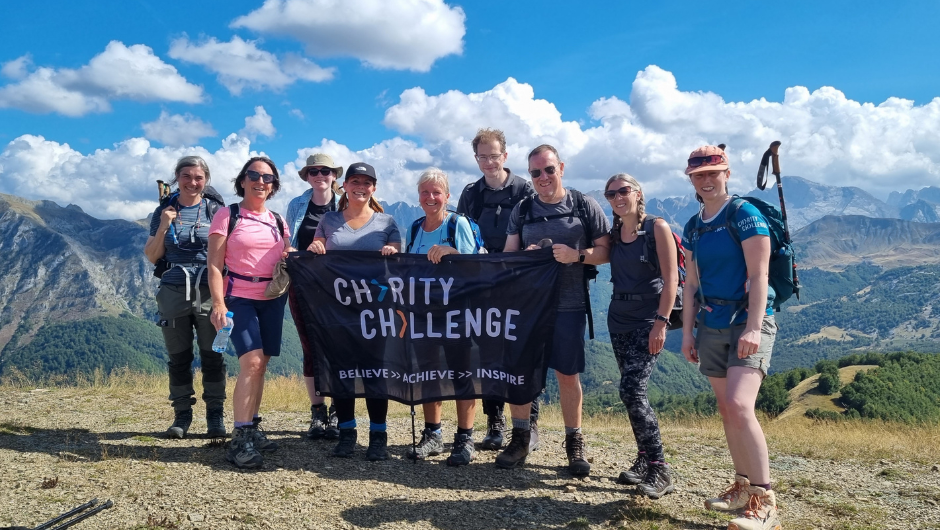
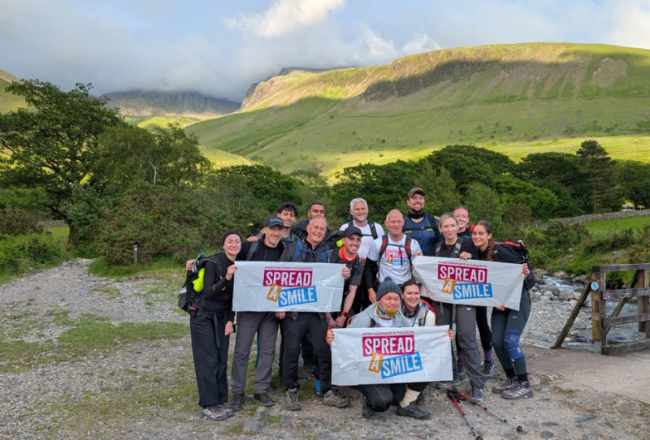
A group of trekkers stood in front of a mountain range and blue skies holding up a charity challenge flag.

I Won’t Know Anyone

If you’re worried about arriving and not knowing anyone, Charity Challenge’s “Get Connected” platform is a great first step. From here, you can view the details fellow challengers have chosen to share and get in touch and start breaking the ice before the challenge begins. 

Some past challengers have found that meeting even just a few people in advance significantly eases their nerves. Others prefer to stay quiet until the challenge begins – either way, by the end of the challenge, you’re almost guaranteed to have made friends for life. 

Tip: WhatsApp groups can get intense! Don’t hesitate to mute notifications if it becomes overwhelming. 

Training weekends or days with fellow participants beforehand also help dispel nerves and give you a feel for the group dynamic. 

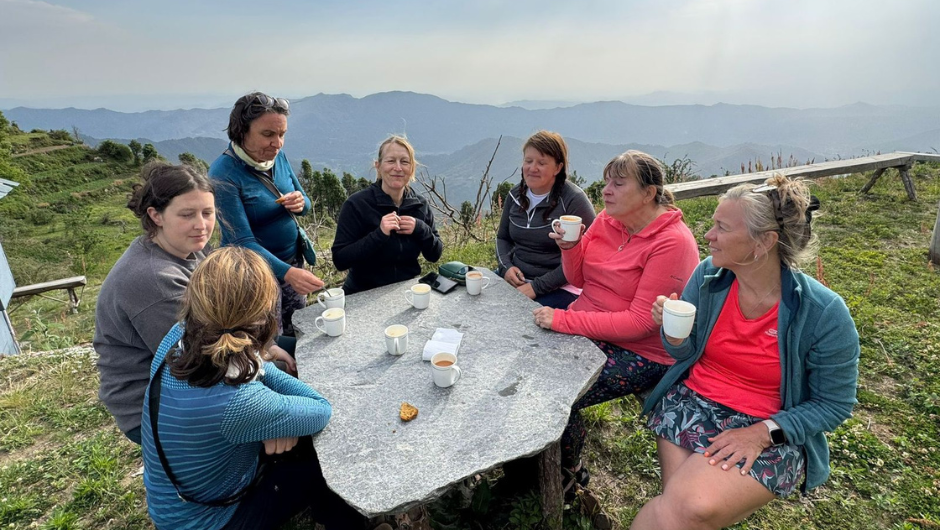
A group of people sitting around a table, drinking tea and talking at their campsite in the indian himalayas.

Will I Meet Like Minded People?

Be kind to yourself – you are worthy of friendship. Keep an open mind, avoid polarising topics like politics or religion, and be a good listener. Most people will gravitate toward someone who’s approachable and positive. 

And if someone isn’t your cup of tea? That’s fine too – focus on enjoying the experience for yourself, not seeking approval from everyone around you.

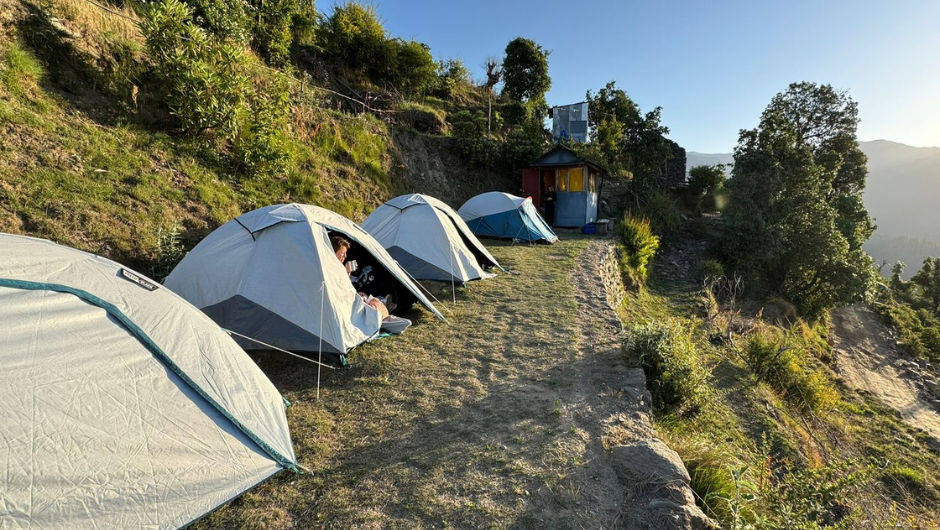
A line of two-man tents set up at a campsite in the indian himalayas.

Sharing a Room or a Tent

Sharing a sleeping space can feel daunting, especially if it’s been years since you last shared a dorm or cabin. Keep your kit tidy, put your phone on silent, and avoid shining torches into sleeping spaces. 

Snoring? Bring earplugs – and maybe even a spare pair for your tent buddy. A little patience goes a long way, and most trekkers sleep deeply after long days of exercise. 

If you’re worried about the journey leaving you exhausted, discuss options with your pharmacist. Short-term sleep aids or antihistamines can help you get some rest on planes, trains, or coaches.  

*NB do not take sleeping tablets at altitude because they can interfere with your breathing.

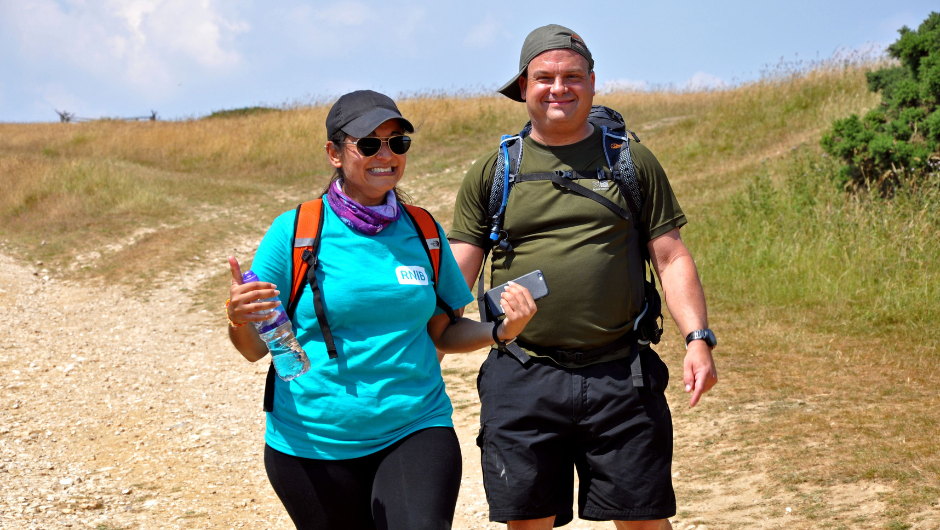
Two people dressed in trekking clothes, wearing caps and backpacks, walking along a country path and smiling for the camera.

Missing Home

Many challengers find a digital detox surprisingly freeing. Sending daily updates to loved ones can create pressure, so limiting communication often helps. 

Others bring small comforts: a photo, a cuddly toy from their child, or even a daily card from a partner. These reminders can ease homesickness and give you a sense of connection while fully immersing yourself in the challenge. 

Remember: this challenge is for you, and taking time to focus on yourself strengthens your relationships back home, too.

A person smiling at the camera as they trek up a snowy mountain path with a group of other trekkers.

Stepping Out Of Your Comfort Zone

Trekking and cycling challenges push boundaries, and that’s part of the fun. Neale Donald Walsch said life begins at the end of your comfort zone – and that’s certainly true on these adventures. 

Expect moments of “type 2 fun”: not enjoyable at the time but immensely rewarding afterward. By the end, you’ll likely have experienced a mix of challenges, laughter, and a great deal of satisfaction. 

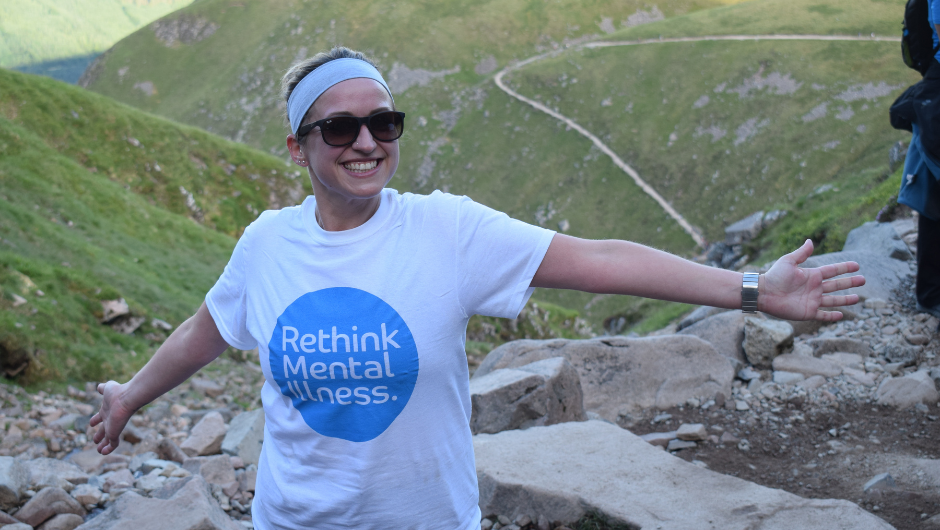
A person wearing a 'Rethink Mental Illness' t-shirt and smiling at camera, as she walks up a UK mountain path.

Mental Health and Support

Know your limits and communicate any concerns to your challenge leaders. They’re experienced in managing sensory overload, anxiety, or other specific needs. 

Many participants are fundraising for causes close to their hearts. Sharing your motivation can be a powerful, healing experience – even if it feels stressful before the challenge. 

A group of Charity Challenge trekkers looking out towards a green, rugged mountainous view.

Fitness Concerns

Worried about keeping pace?  Trekking and cycling groups move at the speed of the slowest participant, so there’s no need to stress about being slower. Training helps, but even if you encounter fitter participants, focus on doing your best. 

Efficiency at rest stops can make a real difference: take care of layering, snacks, or pain relief quickly so the group can move on without delay.

A person serving themselves some local food during their overseas trek with Charity Challenge.

Challenge Logistics and Comfort

  • Toilets, Menstrual Support & Nature Breaks: Privacy is provided, and leaders support you discreetly.  
  • Upset Stomach: Medical support is available, and you’ll never be left alone.  
  • Showers: Daily showers are a luxury – embrace the simplicity of outdoor life.  
  • Blisters & Boots: Stop immediately if discomfort arises. Leaders can advise on taping or lacing adjustments.  
  • Food & Water: Try new foods with an open mind. If you have dietary restrictions, the catering team will help.  
  • Creepy Crawlies: Insect repellent and appropriate clothing protect you. Sharing laughs with tent buddies often turns fear into a fond memory.  
  • Kit List: Check carefully – you often need fewer clothes than expected. Pack for yourself, not the group.  
  • Cold Nights: A simple hack – fill a spare water bottle with boiling water, wrap it in a sock, and tuck it into your sleeping bag.  
A group of people wearing Charity Challenge t-shirts and taking a photo with a selfie stick, whilst on a section of the Great Wall in China.

Pressure and Performance

Some worry about letting sponsors down or keeping up with the group. Remember, effort counts more than speed. Those who struggle may need extra rest, and that deserves celebration too.  

Trekking or cycling is a challenge by nature – not everyone will experience it the same way. 

Three Charity Challenge leaders smiling together.

Fear Of The Unknown

The unknown can feel intimidating, but don’t let it spoil the moment. Immerse yourself in the challenge, switch off from everyday life, and focus on the experience. Be open to however things evolve. 

Breaking things down into manageable steps makes it all feel achievable, and your leaders will guide you calmly throughout.

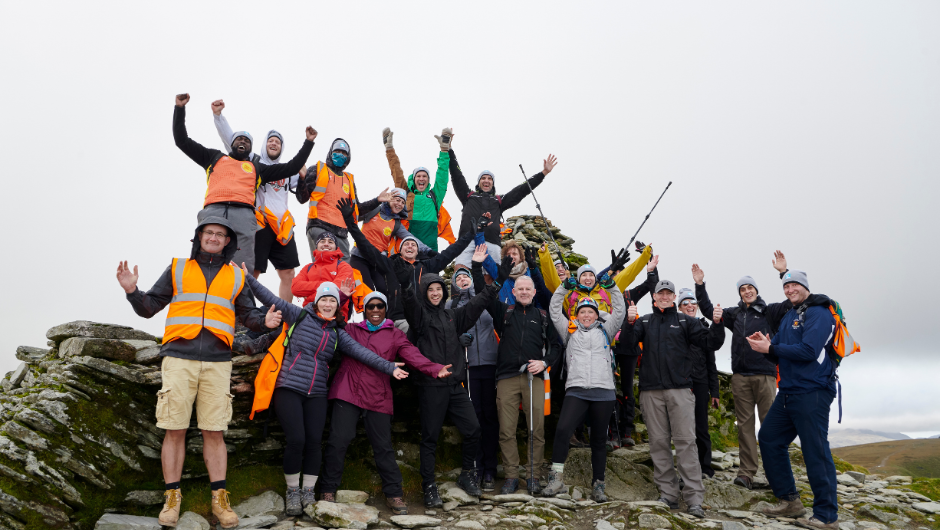
A group of Charity Challenge trekkers celebrating at a mountain summit.

Final Thoughts

Nerves and anticipation are normal, but most fears fade once the trek begins. Focus on the journey, not the what-ifs, and remember: 

  • You’re not alone – every participant feels nervous at first.  
  • Challenge leaders are there to support and guide you.  
  • Challenges are personal – measure your success by your effort, not anyone else’s pace.  
  • Enjoy the experience – it’s a once-in-a-lifetime opportunity to make memories, friendships, and personal growth.  

By the end of the trek, those initial anxieties will be replaced by pride, laughter, and stories to share for years to come! Ready to turn those nerves into something incredible? Take that first step and choose your Charity Challenge today.

By Lizzy Codd, Challenge Leader

Believe Achieve Inspire