Tips & Advice

An introduction to Altitude

November 28, 2011

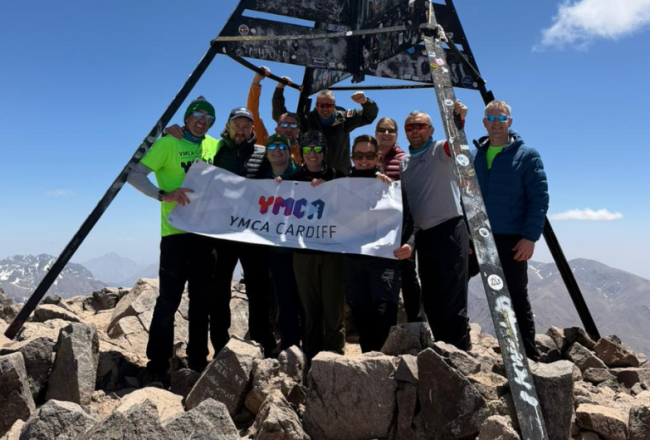
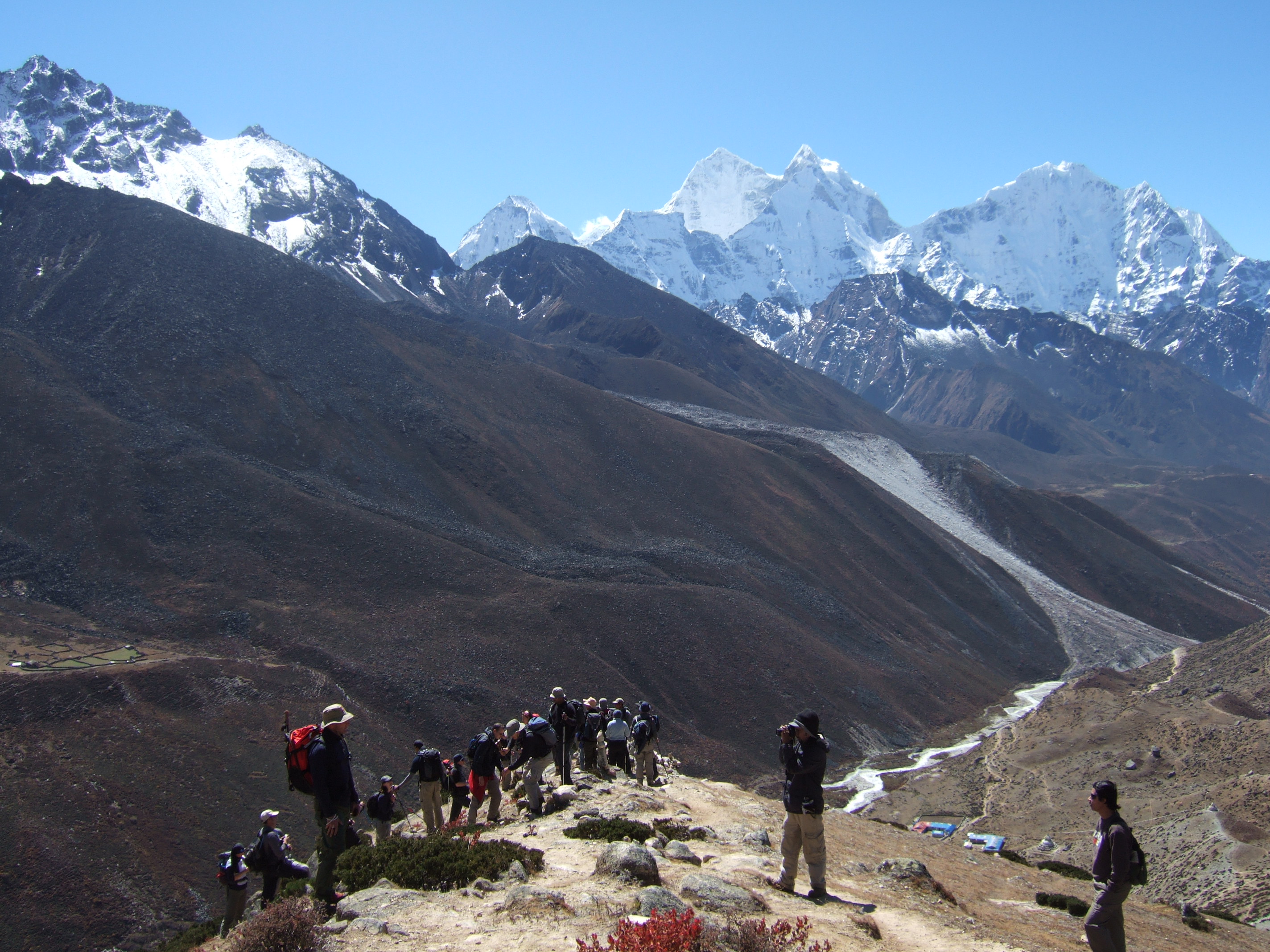
We’ve got an Everest Base Camp expedition heading out next week, so we thought it only fitting that we spend some time contemplating altitude. High Altitude can sometimes be a forgotten factor for beginner mountaineers, but when scaling a mountain such as Mt Kilimanjaro or trekking to Everest Base Camp, reaction to high altitude can be the make or break factor!

Here at Charity Challenge, we always want to see as many of you as possible smiling down from the mountain summit, so we work with the London based ‘Altitude centre’ to bring you the most up-to-date news, training methods and high altitude coping mechanisms. Indeed, Altitude experts at the altitude centre state that the preparations for high altitude are just as important as fitness training when it comes to our mountain challenges.
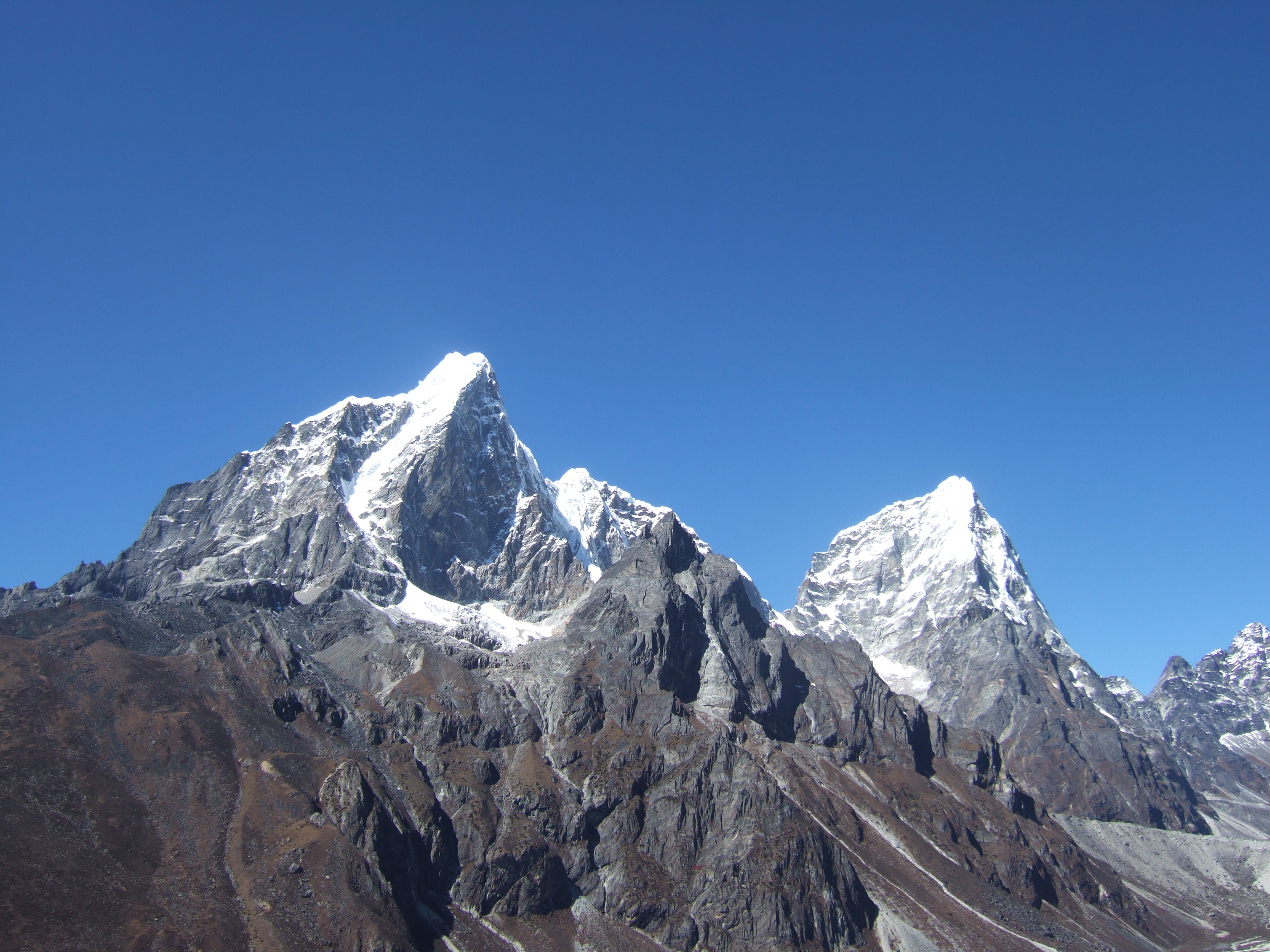
“To climb a mountain you need a certain level of fitness, but fitness alone will not get you to the top. As you climb higher, the air gets thinner. Each lungful at altitude gives you less oxygen so your body has to work harder to maintain the supply” says Richard from the Altitude Centre.

High Altitude isn’t always simple to get your head around, so I’ve asked the experts to answer some of the most commonly asked questions.

So what is “High Altitude”? And what effect will it have on me?

High altitude generally refers to altitudes greater than 2,000 metres (6,560 feet) above sea level. As altitude increases, atmospheric pressure decreases, which affects humans by reducing the partial pressure of oxygen, basically, there is less available oxygen to breathe as you get higher

At what height do I need to start worrying about high altitude?

The lack of oxygen above 2,400 metres (8,000 ft.) can cause altitude sickness. Altitude sickness, also known as acute mountain sickness (AMS), is the effect of high altitude on humans caused by acute exposure to altitude. It commonly occurs above 2,400m (approx. 8,000feet). The symptoms can be similar to the common flu, severe AMS can be life threatening.

How can I test how susceptible I am to reduced oxygen?
We offer an AMS (Acute Mountain Sickness) consultation where you can find out immediately how your body reacts to breathing reduced Oxygen as found at altitude. During the consultation you will be tested at reduced oxygen levels found at 3000m and 5000m to see how you will cope.  Our Altitude specialist will also offer tips and guidance which you can use on your trip up the mountain.

(Charity Challenge itineraries we allow good acclimatisation schedules to help your body gradually adjust to reduced oxygen levels, thereby allowing better acclimatisation.)

What can I do to prepare for High Altitude conditions?

At the Altitude Centre, we use the latest technology to simulate altitude conditions. You can come into our office and do a 15-day IHE (Intermittent Hypoxic Exposure) course, designed to pre acclimatise you for your trip. We also hire out machines so you can pre acclimatise in the comfort of your own home, either whilst watching TV or via an altitude tent which will allow you to acclimatise while you sleep! Visit our website www.altitudecentre.com to find out more about preparing for trips to altitude.
Here at the office, we’re often asked about effects of high altitude on our more mountainous challenges, so we’re really happy to be working with the team at the Altitude Centre in bringing you a series of altitude focussed blogs, which will cover everything altitude that you need to know to make it to the top of the mountain.

If you want to learn more about high altitude and how it affects you, subscribe to this blog and visit the ‘Altitude centre’ website for up-to-date news, and information about booking a high altitude preparation session.

To keep up to date on all our challenge news, both mountainous and not, please enter your email address into the adjacent box to subscribe to our mailing list.
Challenges, Responsible Tourism

Working with Local Guides in Peru

November 23, 2011

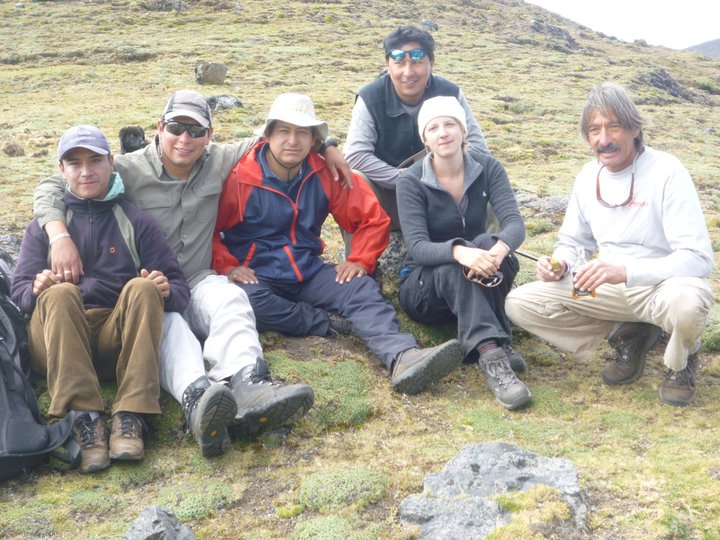
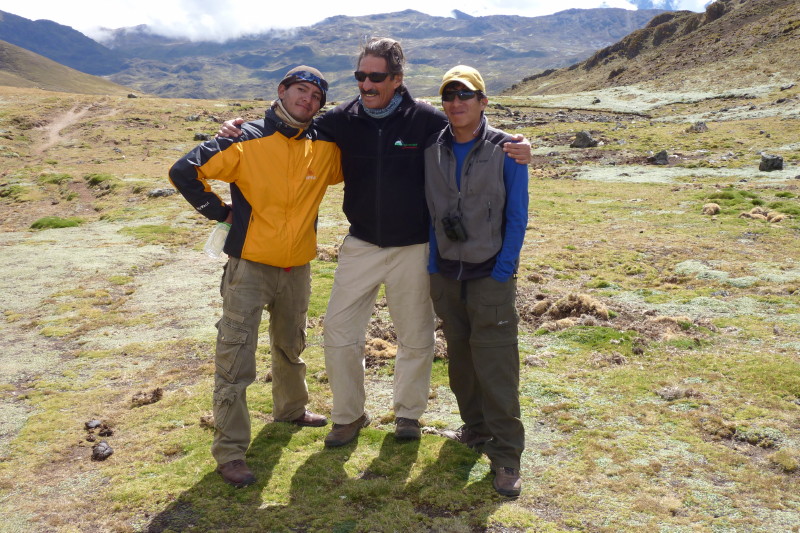
In May of this year Charity Challenge sent me over to Peru to spend some time with our local leaders, guides and porters to do some retraining in health, safety and welfare with our local staff.

It was a great experience for me to get out and see one of our challenges in action rather than just organising it from my desk half way across the world in North London! Best of all was to see just how enthusiastic our local crew are about working with Charity Challenge groups.

My favourite part of the trip was to spend some time with the porters for our challenges, who in my view are the unsung hero’s of our expeditions. They work like titans to get your luggage moved from one campsite to another, your tents set up for you in the evening and the chefs tent and mess tent up so that you can have a warm cup of coca tea waiting for you when you get back into the camp and it was fascinating to learn how they work as a team to get all these jobs done quickly and safely.

We spent time together with all of the crew learning how to work together so that both the team and all of the passengers stay safe and happy, we went on to do some role play exercises and brainstormed some new ideas on how we could keep up and improve all this fantastic work.


Of course I loved being out on the Lares route – it’s unspoiled beauty, meeting the local communities and the incredible clear starry skies at night were fantastic, but I really believe it is our outstanding local crew that make the experience of trekking in the Andean mountains a once in a lifetime experience.

“We are like dwarfs on the shoulders of giants, so that we can see more than they, and things at a greater distance, not by virtue of any sharpness of sight on our part, or any physical distinction, but because we are carried high and raised up by their giant size.”

-Ng a Ton g, Porter

Great porters, and also – if the above quote is anything to go by – great poets!

To learn more about our responsible tourism policies , stay tuned to this blog series (by clicking the orange RSS button). If you’d like to receive up-to-date news on our latest challenges, promotions and developments, please enter your name and email address into the adjacent box.


Tips & Advice

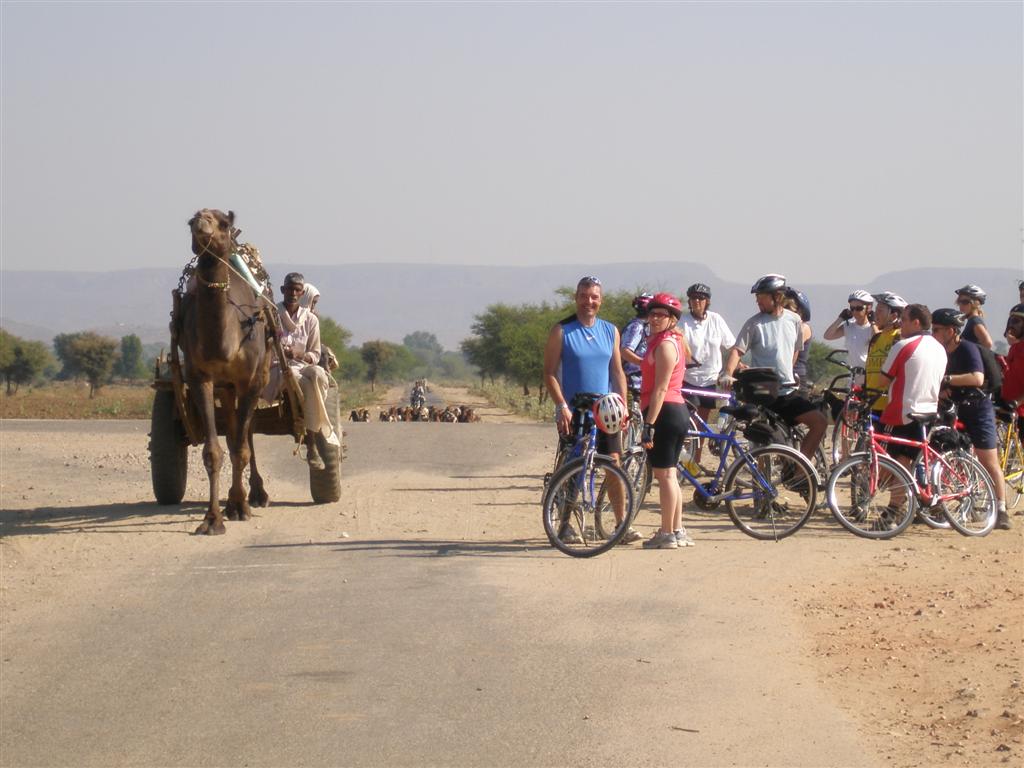
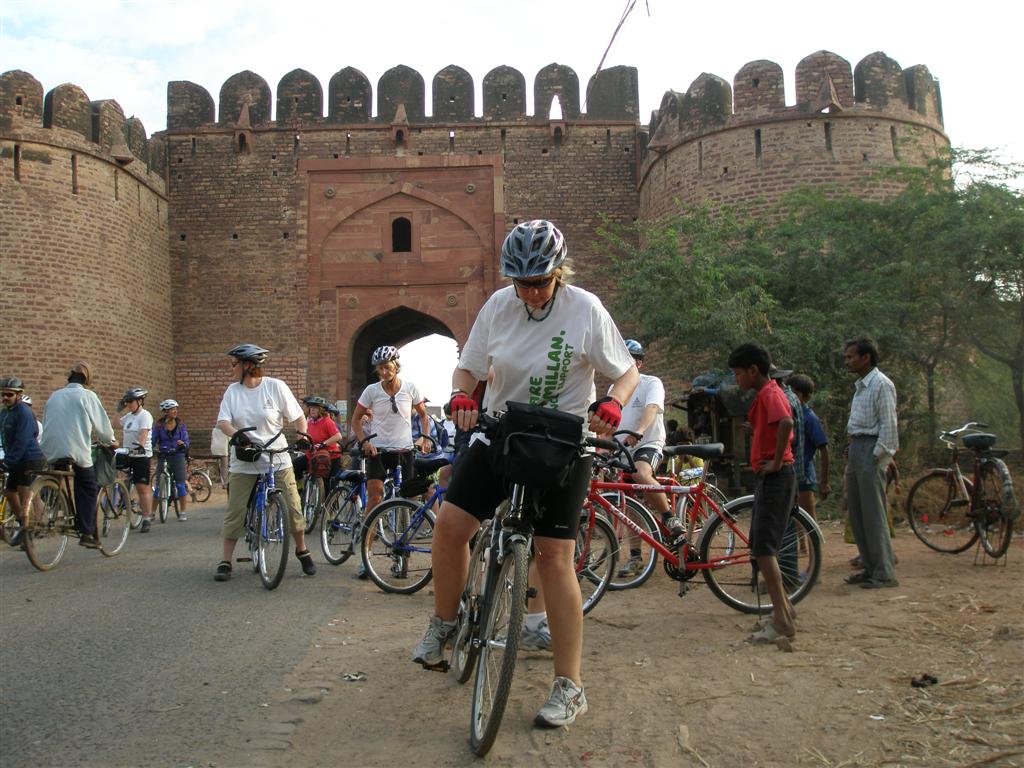
10 top training tips for cycling

November 17, 2011

The Charity Challenge top training tips for cycling:

1. Get up an hour earlier and go out for a quick cycle in the morning before work.

2. If you can cycle to work, do so. If you get to work by public transport, get off a stop or two earlier than usual, so that you can cycle some distance each day. If you drive, park further away than usual, get the cycle out of the car and cycle the rest of the distance to work.

3. Cross training such as swimming, squash, badminton, running, walking and any other sport will also help get you prepared.

4. Joining a leisure centre is a good idea as the local fitness instructors may well be able to design a programme specifically for you using the many different cycle trainers in gyms. Most good gyms have exercise bikes and leg resistance trainers.

5. Book onto a regular spinning class and / or circuit training class to improve your leg strength and stamina.

6. Book weekends away with the family or friends to some mountainous region in the UK to experience cycling on different road surfaces with different gradients and in a mountain environment to test out all your equipment.

7. Book onto the Pre-Expedition Training Weekends in Snowdonia run by Expedition Wise.

8. Turbo trainers are very good, although quite expensive to buy – try out e-bay.  They come in to their own in the long winter months as they enable you to train indoors on a “real” bike.  It will keep you fit and get you used to the shape of your bike. Fluid turbo trainers are quieter if noise is a problem in your household and changing the tyres to road tyres will help if you are using a mountain bike.

9. Use your lunchtimes to take regular brisk walks or cycle around your work area.

10. You should make the time to cycle on some consecutive long days as on the training schedule.  It is the accumulation of cycling day after day that really tests you on expedition.

Click here to check out all our cycle challenges. For more challenge tips, stay tuned to this blog series (by clicking the orange RSS button). If you’d like to receive up-to-date news on our latest challenges, promotions and developments, please enter your name and email address into the adjacent box.

These notes were compiled by Brian Jackson, BA (Hons) in Sport, Health and Physical Education, who operates a series of Pre-Expedition Training Weekends for both trekking and cycling charity challenges. See www.charitychallenge.com for more information.

Responsible Tourism

Responsible Tourism in Ecuador

November 7, 2011

Charity Challenge would be nothing at all if it wasn’t for the natural culture and beauty of our expedition destinations. So Responsible Tourism has always been a huge priority and a topic very close to our heart. It’s for this reason that it is part of our responsible tourism policy to donate around US$500 (on average), on behalf of each of our expedition groups, to a charity organisation based locally to the challenge destination. Indeed it’s part of our Responsible Tourism policy to give as much back to the local community as we can, through employment, spending locally, engaging with locally owned businesses, and educating those that are travelling with us and leave as small a footstep as possible wherever we go.

In this series of blogs we are going to be highlighting some of the work that we do around the world so that past, present and future participants can see where their money is going to. Our Peru Project Manager Emma is particularly excited to be highlighting this part of our work.

“In the excitement of everyone fundraising for their specific charity, the good work that you are also contributing towards in the local communities where you are travelling is often forgotten. So to all of our past, present and future challengers – please take a moment to pat yourself on the back for your achievements abroad!”

This week we are focusing on Ecuador. In recent years we have taken to helping the local communities north of Quito in the municipality of Otavalo. Otavalo town itself is very popular with tourists as a day trip due to its huge local market. The market is one of the biggest and friendliest in the country and tourists get up early and drive from Quito to come and learn about traditional Ecuadorian products and handicrafts and how to haggle for them!   

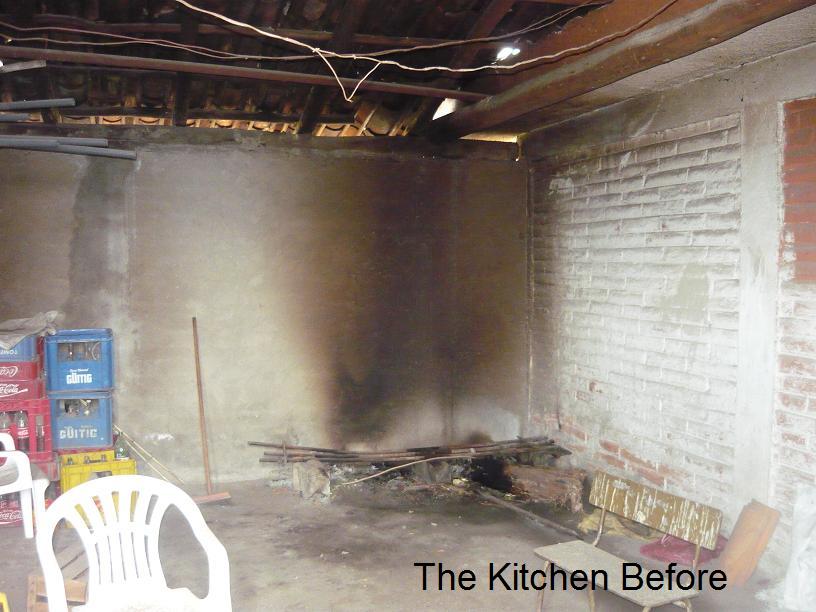
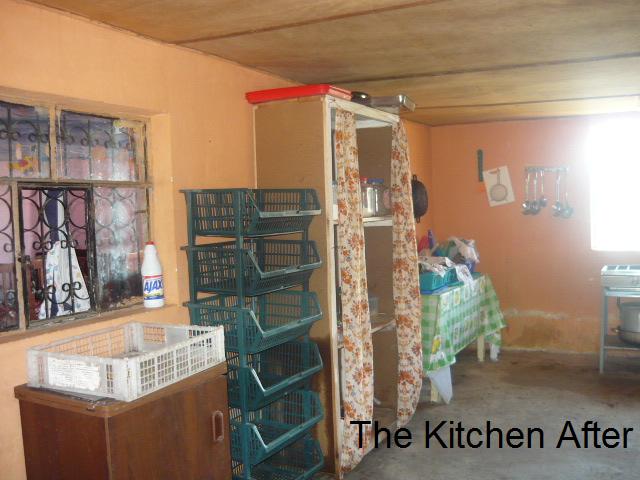
However, a few hours further north of the town of Otavalo, where handicrafts are not made and tourists don’t tend to travel so much, living conditions are much tougher. Each year we try and help one of the small indigenous communities, often by contributing to building projects. This year has been the turn of the San Francisco community, 4hrs drive from Quito close to the town if Ibarra. They asked us (through our local ground agents) to help them to construct a new wall around the communities’ small local school so that the children could play safely in their breaks. We assisted them with this, and also helped build a small block of hygienic toilets the children could use, and to round it off, we helped to support the refurbishment of the kitchen which makes the children’s lunch. This is just one of many projects that we are proud to be involved with. Stay tuned to this blog series (by clicking the orange RSS button) if you want to learn more about how we give back to local communities. If you’d like to receive up-to-date news on our latest challenges, promotions and developments, please enter your name and email address into the adjacent box.

Challenges

Charity Challenge Dog Sledding Journal 2011

October 31, 2011

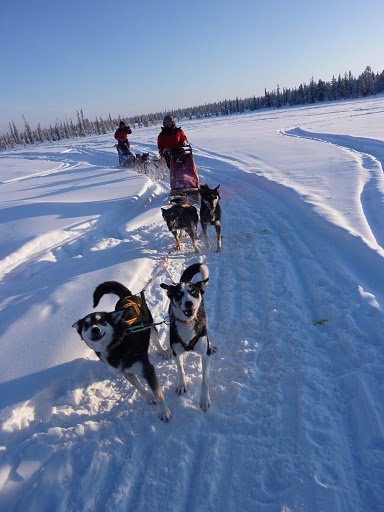
To go Dog Sledding in the Arctic is to go on an adventure very few other people do. Charity Challenge’s Head of Operations accompanied by a trusted friend and guinea pig for the trip, Phil Booker conducted a reconnaissance trip to assess our new Dog Sledding Challenge. For both, this was a whole new experience with no pre-conceptions at all about what would be involved. The following is what Phil had to say about it all:

January 2011; I am preparing to go on the proverbial “trip of a lifetime” of which strangely, I’ve had several.

The most obvious, but not the only challenge in the Arctic, is the environment, and the imagination was working overtime. Miles and miles of snow and ice, blizzard conditions, piercing cold, polar bears and penguins, I was expecting it all. A little bit of homework soon revealed we were not likely to come across the latter two but the others were all probable.

Charity Challenge provided a list of essential and potential clothing and equipment needs. At this point, we had no idea how many dogs we would have on each sled and how far and in what conditions we would have to carry our luggage. That said, it was critical to prepare for the worst (read coldest!).

Perhaps the most difficult balance to make was to avoid overspending on items of clothing and equipment that would never be used again. For this, I soon discovered Army Surplus stores were perfect.

One of the stipulations made by local guides and official sledding operators, Kent and Jordana, was that cotton is pretty much a no-go area and you might be surprised at how much we rely on cotton in the UK. Thick wool it was then. So looking like pre-sheared sheep, off we trundled to Kiruna, the northern most city in Sweden.

Flying into Kiruna Airport at the dead of night (being the last two people to leave the airport that night, we literally turned the lights out) we first met Kent and Jordana the next morning after a comfortable night’s stay at a local hotel.

The previous night’s temperature, recorded at the airport, had been -19c, so we were pleasantly surprised to be greeted by early morning sun and a balmy -13c. Packed into a car that resembled a tank we soon discovered that special driving skills were required to negotiate this snow-covered landscape effectively and Kent showed us the full range. Continue Reading…

Responsible Tourism

Charity Challenge, Climate Care and Carbon Footprints

October 27, 2011

In these times of foreign travel, where journeying abroad is the norm, climate change is one of the most pressing issues facing us all, with the potential for significant community, biodiversity and environmental consequences across the world. To take responsibility for the impact our business has on the climate (emissions from the office, and flights for Charity Challenge staff and our passengers’ flights) we are offsetting the carbon emissions from our business through Climate Care.

Who is Climate Care?

Climate care is one of the oldest businesses in the carbon market.  Since 1997 they have been reducing greenhouse gas emissions on behalf of companies and individuals. Reductions are made through a range of projects around the world that not only make real verified reductions in carbon emissions, but also make a difference to people’s lives.

How many tonnes have we offset?

During 2008 and 2009 our customer and staff flights and our business operations generated 4381.68 tonnes of carbon emissions, which were all offset by Climate Care on your behalf.

Who else benefits?

The offsets we purchase on your behalf help to fund a portfolio of projects in the developing world.   In many cases these projects are situated in countries where we have challenges.  The projects not only reduce carbon emissions but also  improve the lives of those living locally which in the long term benefits us all, by providing clean technologies to parts of the world where emissions are growing most quickly.

Cambodia Improved Lao stoves summary;

An example of one of the projects our contributions have been invested in is the Cambodia improved cook stoves Project.  This aims to transform the cooking market in Cambodia, overcoming many barriers to achieve its goal: developing the stove, developing the sales channels, improving sales techniques, marketing the stove and management training.

Replacing the traditional Lao stove with a stove with improved efficiency helps to reduce the demand for charcoal by as much as 21%.

On top of reducing the carbon emissions, the project has social and economic benefits:

  • The project is building the country’s capacity in technical skills in the manufacturing of the improved stove.
  • By reducing the amount of fuel used for cooking, the project enables stove users to spend less on fuel to cook, thereby saving valuable income.
  • The new Lao stove reduces harmful smoke and soot in the kitchen, improving the health of its users.

The reductions we have made through buying those offsets is equivalent to Grounding 16 full flights (assumed 348 passengers) from London Heathrow to New York JFK airport.

Click Here if you’d like to have a look at the Climate Care website, and if you want to keep up to date on our latest news and promotions, check the Charity Challenge Website, subscribe to the blog via the RSS button and subscribe to our mailing list by entering your email address in the box on the right hand tool bar.