

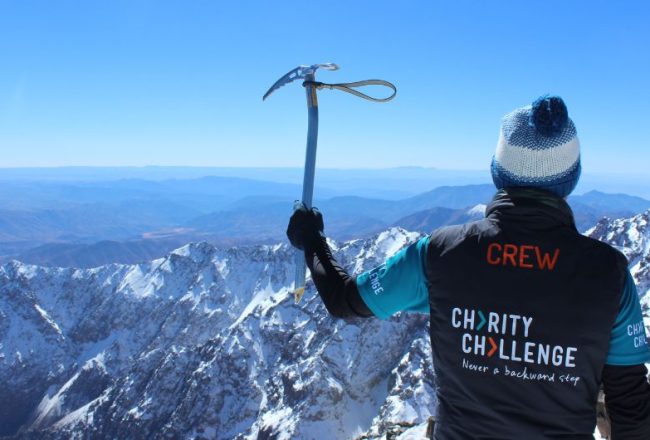
High Altitude Advice from the experts

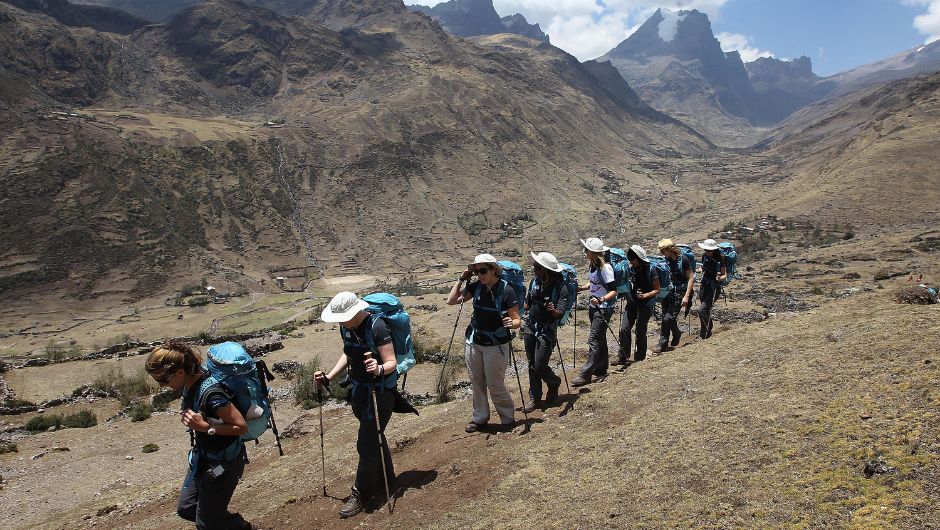
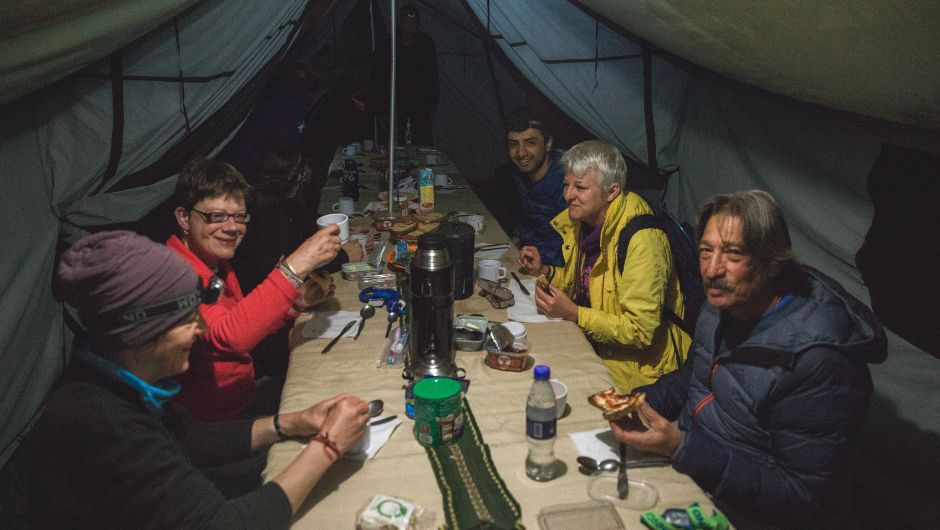
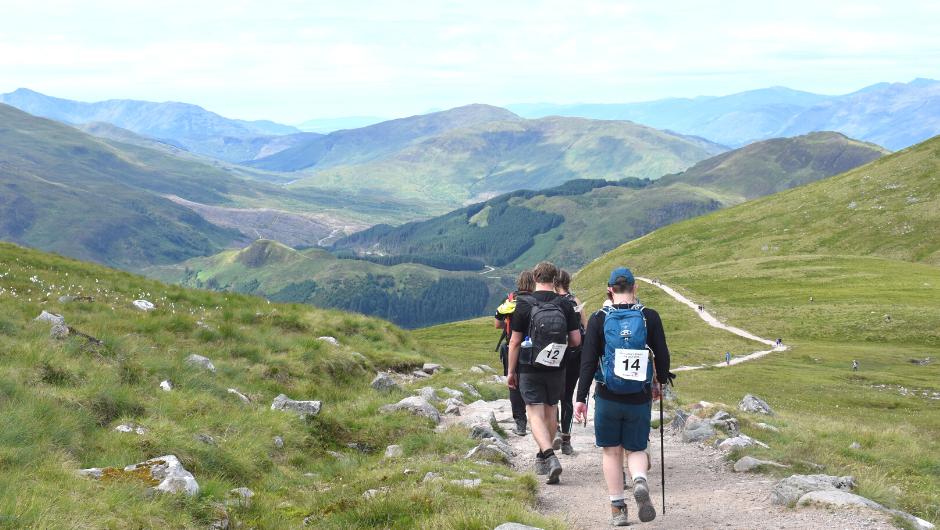
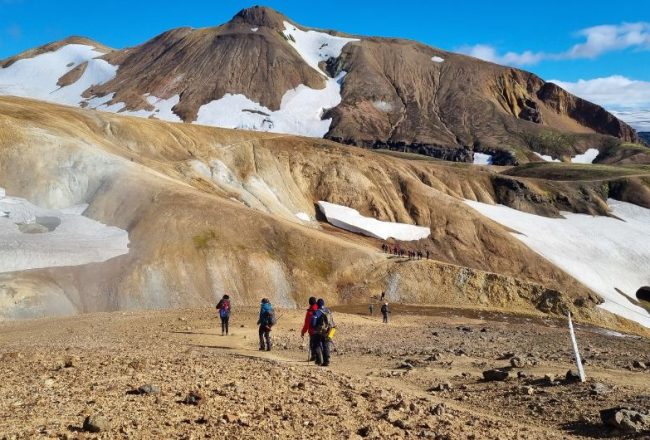
THINKING ABOUT DIET, NUTRITION AND DEHYDRATION ON THE MOUNTAIN

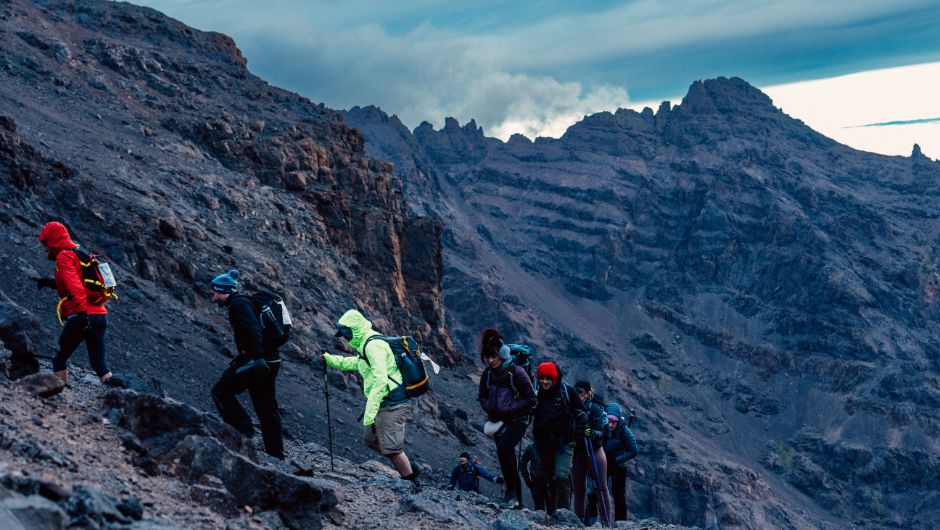
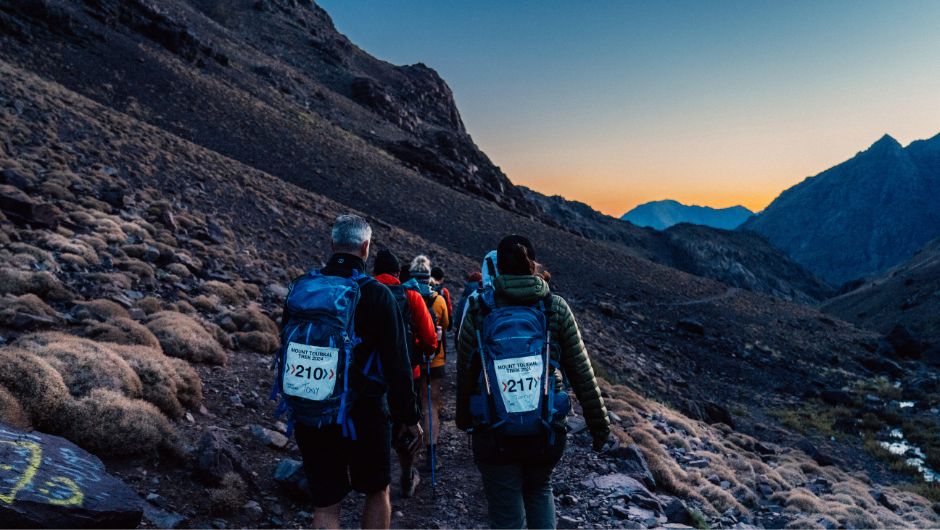
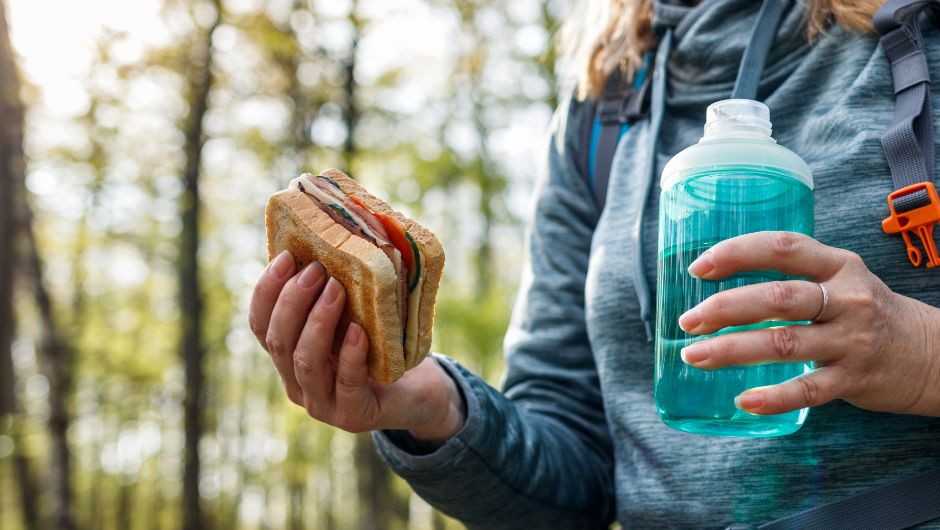
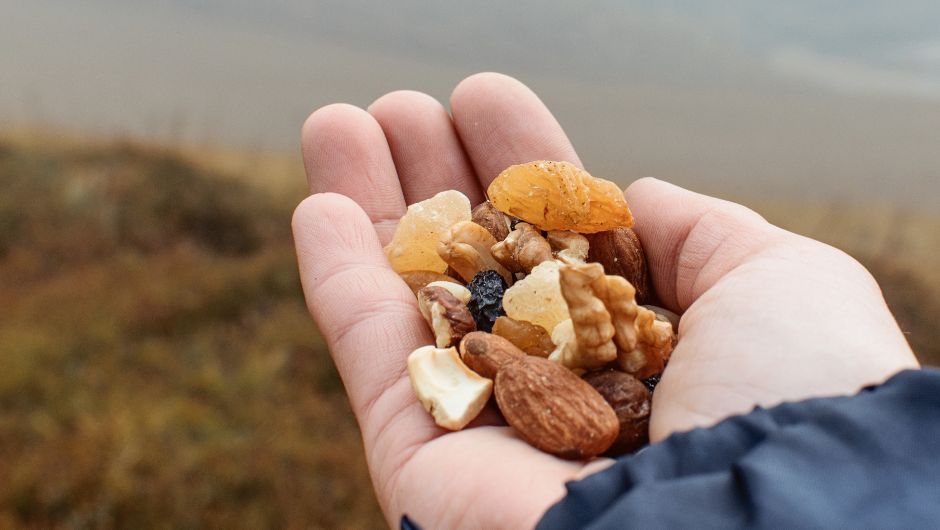
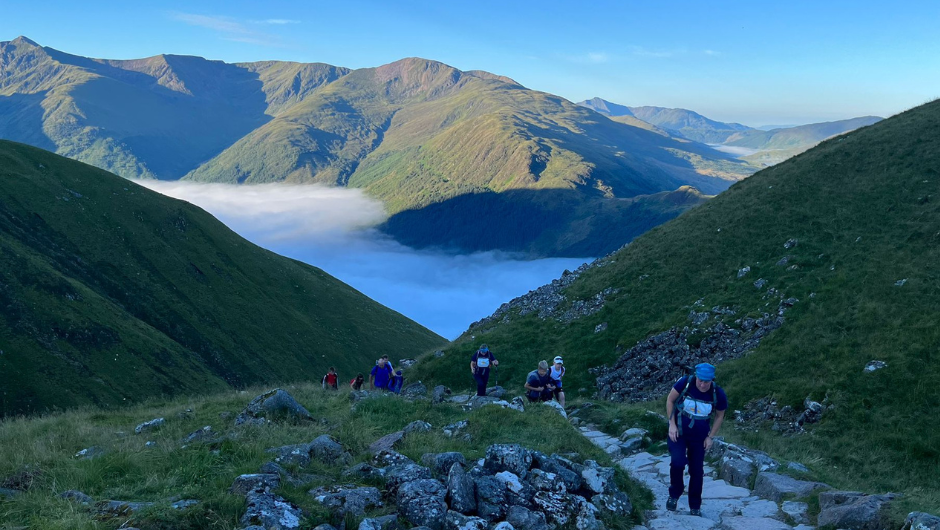
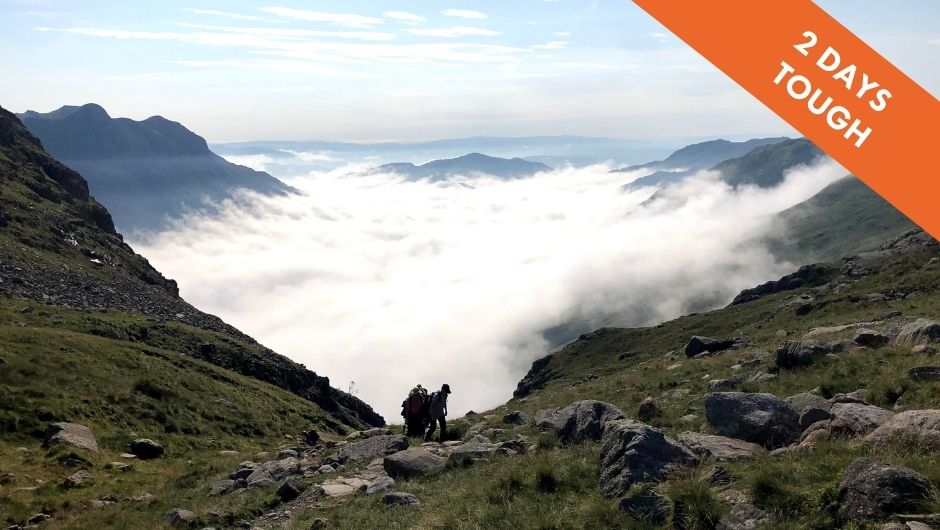
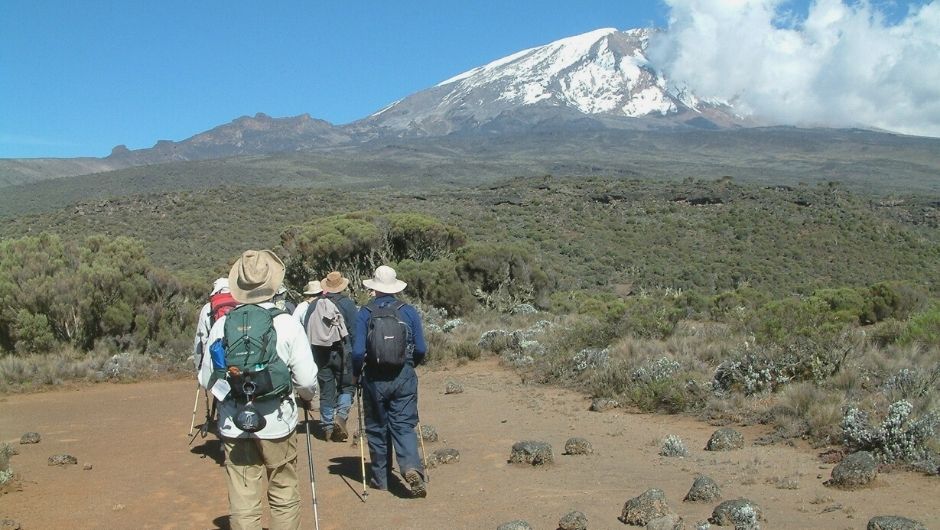
You’d think that spending a day mountain trekking would be an ideal way to work up an appetite! But for a lot of people, it can be very difficult to maintain a healthy appetite at high altitude. The senses of smell and taste can be greatly inhibited by the general feeling of lethargy and nausea that often accompany mild altitude sickness, and hence put you off your food.

This can be a dangerous side effect of altitude sickness, as you will be physically exerting yourself and burning through hundreds of calories every day, so it’s very important to keep up your strength and energy levels.

Our Altitude expert partners at the “Altitude Centre” are on hand with advice.

“Fatty foods and high tech sports nutrition bars are difficult to digest and should be avoided. There are some advantages in taking vitamin and mineral supplements at altitude. ALTI-VIT is a unique vitamin formula developed by leading experts in conjunction with The Altitude Centre to support key body requirements at Altitude. With ingredients including Siberian Ginseng, Vitamin C, Reishi Mushroom Extract and Ginkgo Biloba,  is a nutritional altitude supplement supporting:

  • Oxygen uptake
  • Energy production
  • Immune function
  • Sleep quality

Visit altivit.com to find out more.”

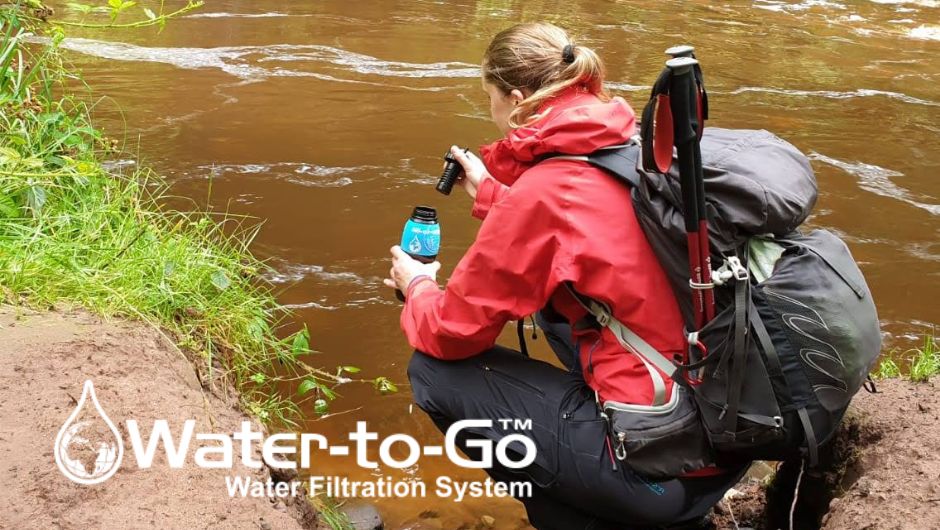
Two further symptoms of Acute Mountain Sickness (AMS) are constipation and diarrhoea which tend to alternate and this can be dangerous as well as distressing. You can take medication to help with these symptoms but it is very important that you keep well hydrated and keep up your food intake – even if you aren’t hungry. On all our treks the water is boiled and cooled to sterilise it. Those with particularly sensitive stomachs may consider iodine tablets to further treat the water. A top tip to neutralise the taste of iodine, is to dissolve an effervescent Vitamin C (ascorbic acid) tablet into the water.

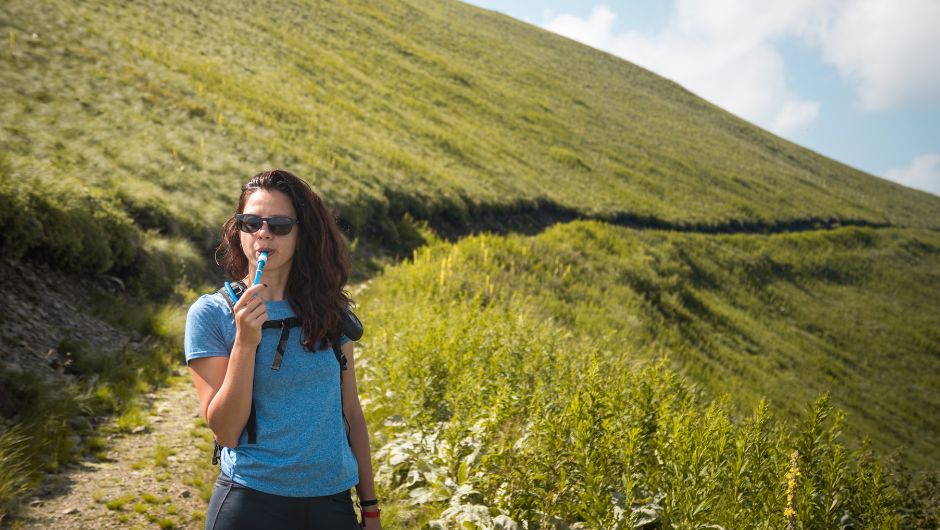
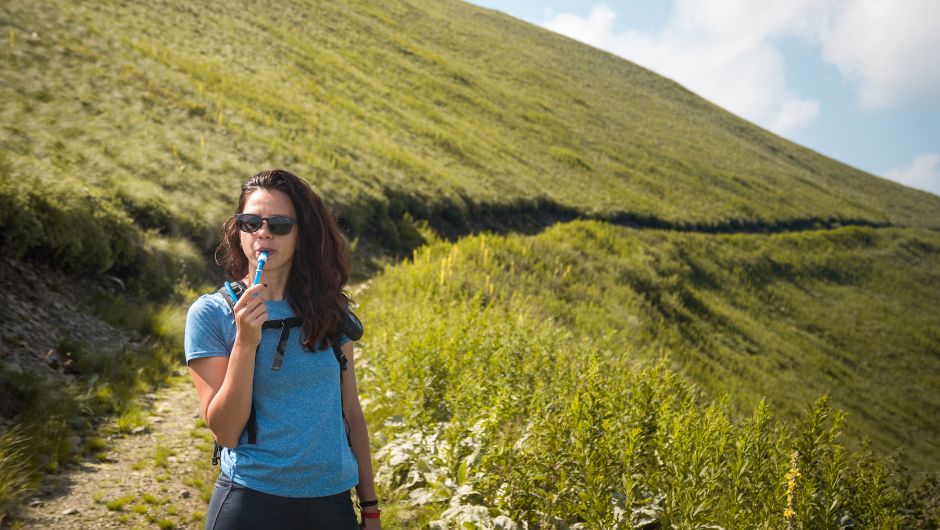
Indeed drinking is just as important as eating! Adequate hydration is essential to allow the body to regulate its chemical balance in response to the change in altitude. Aim to drink 3-4 litres each day and if possible try to add electrolytes to your water. Two brand names to consider are Nuun and Dioralyte. These will help to replace the body’s salts that are lost whilst walking.

The air at high altitude is always very dry. With each breath water will be stripped from your lungs. If you use your mouth to breathe a dry cough is likely to develop. TOP TIP: Try to use your nose to breathe through to prevent a dry throat. If this is not possible, suck a honey cough sweet to help lubricated the throat.

If you want to learn more about our mountain challenges, you can visit our website here. Also, to find out more about the good work and advice the Altitude Centre dishes out, please visit their website at www.altitudecentre.com. To keep up to date on all our challenge news, both altitude related and not, please enter your email address into the adjacent box to subscribe to our mailing list.

Into the Jungle! – Leading the Sumatran Jungle Trek, part 3

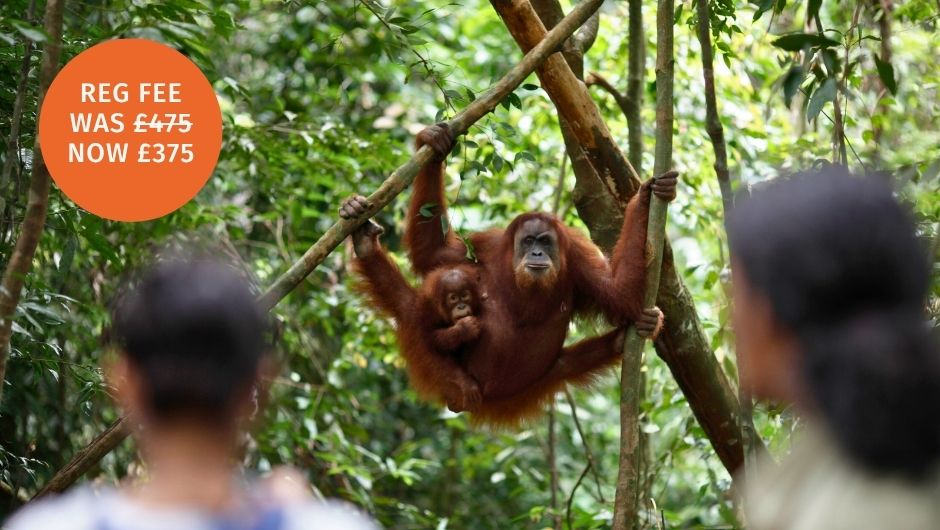
Seeing the orangutans is an incredible experience. In Bukit Lawang, you can usually see them near the world famous orangutan rehabilitation centre, however we were extremely lucky to spot ‘wild’ orangutans on Day 5 of our Jungle Trek.

The semi wild orangutans will not stray too far from the feeding platform so you are pretty much guaranteed to spot them there. When it comes to truly wild orangutans however, you will be lucky to catch a glimpse of one in the distance while you trek deeper into the jungle. You will have to be careful to be very quiet and not scare them away! Wild orangutans will stay high in the tree tops, so spotting them takes a lot of patience and a very good eye from your guides!
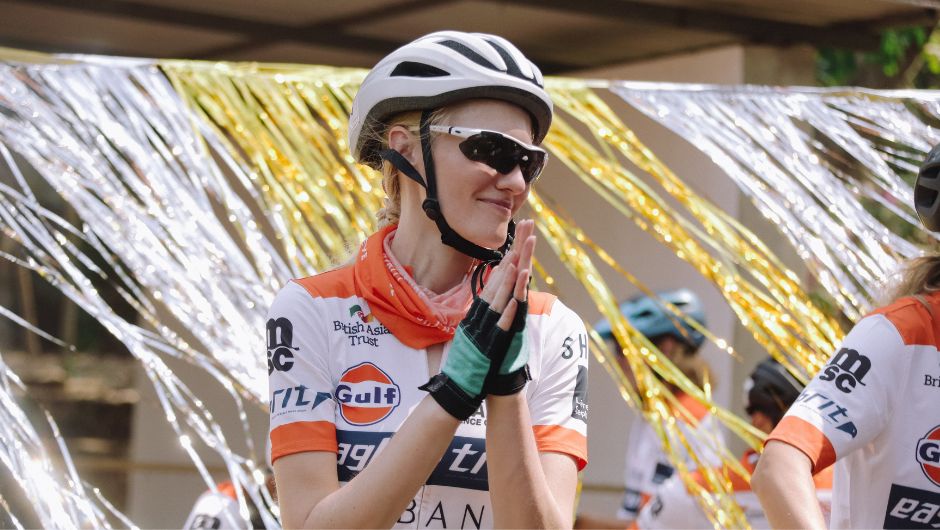
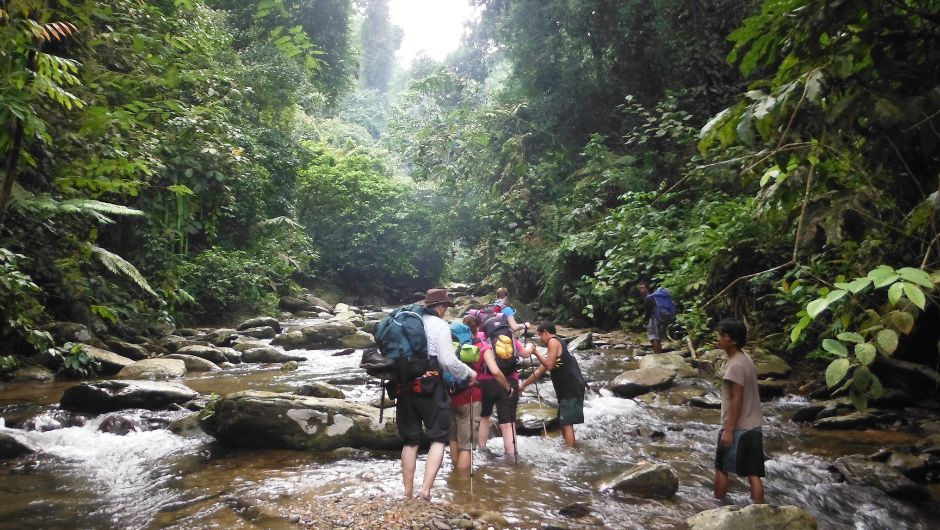
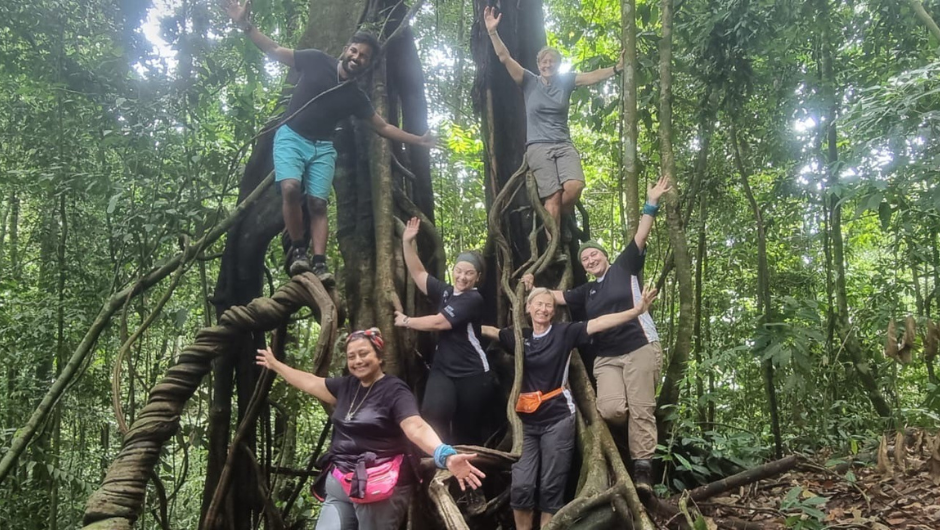
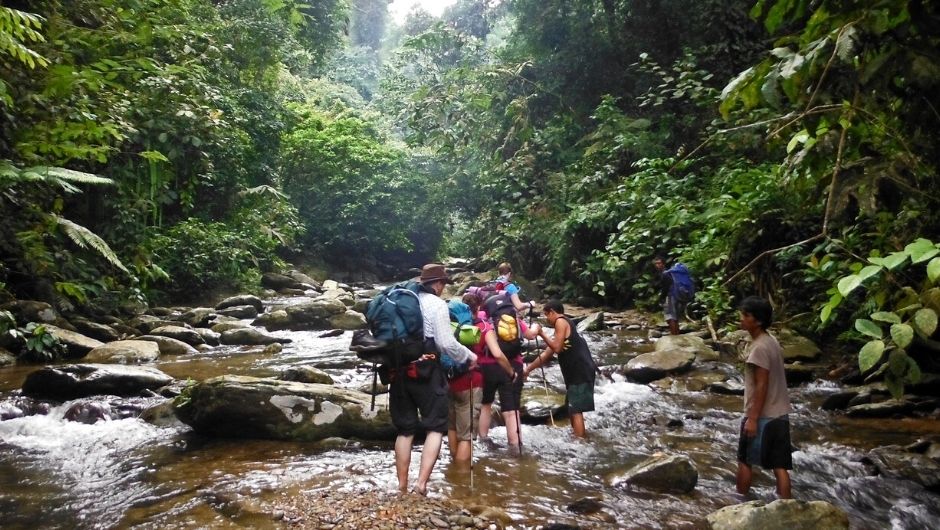
Into the Jungle we go! Bags packed, re packed and packed again and the three teams with their respective guides Eddy, Iwan and Kinol set off within 15 minutes of each other on their epic journey into the depths of the jungle! An initial tough climb with a surprising amount of steps greets us as we approached the entrance to the Gunung Leuser National Park. It was an extremely humid morning, so the start was tough going, but we were all in great spirits, and rearing to go!

After a morning of trekking we soon discovered this was definitely not a stroll in the park!  Flat ground in the jungle is something of a rarity and for every steep climb there was an equally steep descent. We now understand exactly why Tarzan chose to swing through the trees – it’s a much more efficient way of getting through the jungle, there are far less obstacles up there!

After clambering up and over fallen trees, untangling a foot or two from the cunning and craftily hidden jungle vines,  taking a skip and a hop over the abnormally large tree roots, we finish by swinging from tree to tree as we manoeuvre our way down the extremely steep descent. The jungle was soon testing our mental awareness and strength to the extreme!

Our first experience of lunch in the jungle was a delight for all. A blanket of fern displayed juicy pineapple and passion fruit and ‘nasi goreng’(fried rice with omelette) wrapped in a banana leaf. It was delicious! However, we soon found ourselves ambushed by a gang of ‘Thomas Leaf Monkeys’ or ‘funky monkeys’ as our guides liked to call them. They took a fancy to our lunch and I have to say I can’t blame them, I’d much rather have Nasi Goreng over leaves any day!! The Thomas Leaf Monkeys are very distinctive with their black mohawk hairstyle, they live in female groups of around 6 with one male ringleader. Their population, like most species in the rainforest, is decreasing due to their primary habitat being taken by logging and conversion to oil palm plantations. They are however, protected by Indonesian Law and are incredibly fun to watch!


It was a tough days trek, feeling the effects of jet lag, acclimatising to the humidity and realising that maybe a bit more training, scrambling and step climbing shoud have been in order. The steep climb into camp felt like it lasted forever, with every step seeking for that next branch,  roots or jungle vine to hold onto to ease us down. Part shuffle, part scramble, I think I can safely say we all had a couple of slips and bumps, with a struggle to get back on our feet with the weight of the backpack. I was anxiously scanning the trail hoping that there was enough low lying forest to ease the falls. We were exhausted and just about to throw our toys out the pram at our ‘oh so lovely guides’ through sheer exhaustion when we suddenly see smoke from our camp. We were very pleased to be greeted with hot tea and coffee and biscuits. and quietly welcomed by the sight of a mother orangutan with her baby watching us from across the river. A prefect end to a very tough day!

Next, we bathe in the river and the guides once again triumph with an amazing spread of dishes for our evening meal. Later, whilst sitting under a bamboo frame covered tarp listening to the pouring rain, someone shines their torch through the darkness across the river and into the jungle and for a split second we think we see a pair of shining eyes starring back at us! We turn off our headtorchs, huddle down into our sleeping bags and watch the fireflies go by. We sit in silence listening to the noises of the night and ponder over the days trek, realisation hits that we are here, in the prime jungle, just the 6 of us (and the other two groups maybe just 10 minutes downstream but you would never know!) and our team of guides. I know we are all thinking ‘how do we share this – how can we possibly describe living in the jungle? An experience as Barbara later said to me ’’ hard enough to sort it in my own head and finding almost impossible to explain to others’’.
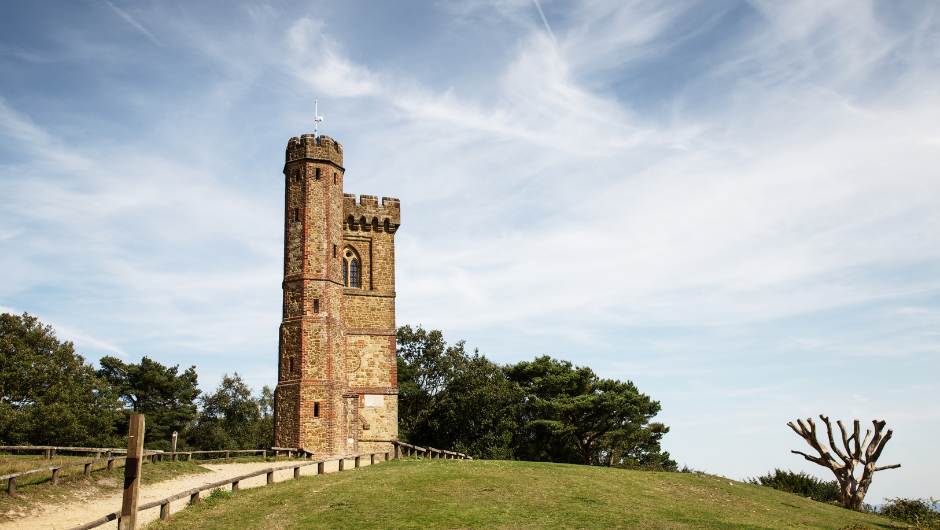
The silence was soon broken by screams of  ‘blood’!. The Leeches had arrived. The trees were wet from the rain and the Leeches were in their haven – fresh blood had arrived!!
If Jo’s experience in Sumatra has inspired you, check out our Sumatran Jungle Trek here, and subscribe to this blog to hear about what happened next. To keep up to date on all our challenge news, both jungle and not, please enter your email address into the adjacent box to subscribe to our mailing list.

Leading the Sumatra Orangutan Jungle Challenge – Part 2 – At the Orangutan Feeding Platform:

The day begins with an early morning rise and a short walk, followed by a canoe crossing to the orangutan feeding platform at 8.30am. Everyone’s doing well to acclimatise to the heat and humidity today, rehydration sachets have quickly become everyone’s best friend!!

The Gunung Leuser National Park is one of the orangutan’s last remaining strongholds, with more than 5000 animals thought to be living in the wild, and our first encounter with the Pongo abelii, ‘the Sumatran Orangutan (http://en.wikipedia.org/wiki/Sumatran_orangutan) was certainly something to remember! The orangutan, the world’s largest arboreal mammal, means “people of the forest” (Orang – people, Hutan – forest) in Indonesian. We’re all tired from climbing the steep slope up to the orangutan feeding platform and paying too much attention to our feet, when suddenly the group comes to an abrupt halt. Being the last one in the group I later discovered  that our path was blocked by a female Orangutan  standing 3ft tall, fists clenched and refusing to move to let us through.

The Sumatran Orangutan Society have devised a set of regulations when visiting the Orangutans in the Gunung Leuser National Park and our first encounter showed us just how important these are. There are many guides who will try to entice the Orangutans with food so they come close to tourists. This actually teaches them to be aggressive if they don’t get what they want!

 It is important to follow the guidelines and listen to the licensed guides at all times. (for more info see our Sumatra Jungle Challenge Q&A’s). All of our guides follow a strict code of no contact with the Orangutans. Some of our guides are also involved with research and conservation projects based in the area and are fully aware of the importance of following conservation guidelines, both to protect the jungle and the indigenous wildlife, but also to set an example to other guides and visitors.

It’s really a memorable experience to watch the orangutans in the tropical rainforest of Gunung Leuser National Park, but these animals need to be protected with care. The Sumatran orangutans (Pongo abelii) are rarer and smaller than their Bornean relatives, who have lighter hair and a longer beard. Today there are approximately only around 6,600 left in the wild, most of them in the provinces of Aceh and North Sumatra. The expansion of oil palm plantations into fragile Eco-systems is the most acute threat to their survival. But also illegal logging and the pet trade add to their declining population.

The purpose of the centre we visited was to rehabilitate orangutans in captivity so they can be released in to the wild again. Rangers teach the orangutans all the necessary skills to survive in the wild. After an intense period of quarantine, readjustment to the natural habitat and reintegration into the (semi-wild) population, the orangutan is released back into the jungle. All orangutans released are still monitored by the rangers and they still provide them with supplementary food at the feeding platform until they become fully self reliant. The Gunung Leuser national Park is also a life support for the people of Bukit Lawang. All Charity Challenge guides are employed by Expedition Jungle who is fully inclusive of the local population. Their viability depends on the knowledge of the people of Bukit Lawang as well as the natural and cultural environment. They also hope that by exposing tourists to the beauty of the rain forest and the current issues they can generate outside support and contribute towards highlighting the plight of Sumatra ‘s rainforests before it is too late!

Part 3 coming soon!

If Jo’s experience in Sumatra has inspired you, check out our Sumatran Jungle Trek here, and subscribe to this blog to hear about what happened next. To keep up to date on all our challenge news, both jungle and not, please enter your email address into the adjacent box to subscribe to our mailing list.

Back to Brazil

Our veteran Team Leader (and blogger!) Trevor Gibbs is going to Brazil this October to lead our Brazil Community challenge, and is thinking back to what he experienced there 12 months ago…

“I am off back out to Brazil this coming October, to lead a team of volunteers into the slums of São Paulo. Now many might see that as a testament to a mind laid waste by Larium and swamp fever, but to me it sounds like the start of a whole new adventure.

I was last in Brazil 12 months ago, working in the north-east of the country for a company called Charity Challenge. The job back then was to look after a pair of teams working on the renovation of two crèches in the heart of the São Francisco Valley, near a town called Petrolina. I remember us arriving at work that first day, to be greeted with a series of concrete shells that were overgrown with weeds and littered with the broken reminders of years of neglect. The scale of the work was daunting to say the least. The playgrounds were a tangled mass of weeds, rusting metal and old car tyres, whilst the classrooms themselves were little more than a dingy collection of sombre rooms filled with cobwebs and mosquitoes.

Over the coming days though we cleared the jungle and removed the rubbish, built walls and sandpits and began to transform the walls of the crèches into canvases of colourful murals. We overcame heat and dust, giant toads and limping tarantulas. We cleaned floors and windows, tiled bathrooms and inflated enough balloons to launch a small car. We also had fun! Our mission had been to help create an inspiring and safe environment for the children and by the end of the project we were a mass of grinning smiles and grubby, tear-streaked faces.

There are few things in life more likely to raise the spirit than the sound of a child’s laughter, especially when that child has grown up in a community denied the basics that most of us have grown up taking for granted. I still recall my last day there, looking down at the grinning face of a small child covered in face paint and clutching a smiley balloon…

…Twelve months on and I have no idea what faces me in São Paulo, but if last year was anything to go by, it promises to be interesting…”

To find out more about Trevor and his adventures, please visit his website at www.agamaconsultants.co.uk. To learn more about our Brazil Community challenge, and all the treks that we offer, please visit our website at www.charitychallenge.com. To keep up to date on all our challenge news, subscribe to this blog by clicking on the orange RSS button, you can also enter your email address into the adjacent box to subscribe to our mailing list.

Leading the Sumatra Orangutan Jungle Challenge – Part 1

My name is Jo and I am the Operations Manager at Charity Challenge for the Sumatra Orangutan Jungle Challenge. After 18 months of planning our newly launched Sumatran Challenge to everyone’s envy in the office I found myself sitting on the plane on the way to Medan, Sumatra. The three months I spent in the Borneon Jungle in 2007 seemed a distant memory but not so distant that I couldn’t remember what made me so excited about returning to this part of the world! I couldn’t wait to have the privilege of living and experiencing the prime rainforest in Sumatra if only for just 6 days. I also knew that the experience ahead of us would be one almost impossible to be put into words on our return. So I’ll try my best to convey the magical challenge of the ‘jungle’.

Six hours into my flight and I’m trying to get my head back into jungle life by reading the Guidebook to the Gunung Leuser National Park so kindly written and downloadable on the Sumatra Orangutan Society’s website (www.orangutans-sos.org). Feeling a little nauseous from eating a big coconut and a chocolate cookie followed by a small toblerone bar given to me on the plane! I’m starting to leave the insanely busy mad rush of London behind me and starting to imagine the crazily loud call of cicadas, the sound of running water and the sensation of sleeping under the thick canopy of trees sheltered only by a single tarp with my group of Challengers (I hope no one snores!!!) I try to imagine the noise of the calls of the Orangutans and the rush of wings of the Hornbills as they soar overhead but all I can think of is Leeches, spiders, centipedes and snakes….In fact anything that moves that is not soft, fluffy and cuddly!

I soon find myself arriving in the small airport of Medan, and to my delight I am greeted with the numerous and never ending smiles which welcome you to Indonesia. Yes this is Sumatra and this is the start of the Challenge to come!

It’s soon time for the group to arrive, and Friday morning I’m at arrivals after a 4.30am start to transfer the 3 hours from Bukit Lawang to the airport to pick up the group. Romi and I play the game of ‘spot the group’, which really in Medan airport was never going to be that difficult as not many westerners came through security. One by one as they grab their day bags off the scanner I smile at the Boots and Charity Challenge t-shirts and suddenly get extremely excited for the upcoming week.

One of the most exciting moments of the challenge is meeting the group at the airport. Getting to know new people, building lifelong friendships and knowing that the next 10 days will be one of ups and downs, physically, mentally and emotionally. Full of raw emotions, exhaustion, happiness and maybe even terror, but knowing you have others to go through the experience with you, supporting you, offering a hand, a shoulder and a friend makes it an experience you will never forget!

As an Operations Manager at Charity Challenge, I am usually busy organising the challenges in the office and spend most my time in envy of our freelance leaders who get to meet inspirational Challengers and experience the treks first hand.

After everyone hopped on to the minibus we start our 3 hour drive out of Medan city, Sumatra’s major metropolis and Indonesia’s third largest city, population of 2million. We travel through  Palm Oil Plantations and go deep in the depths of the Sumatran Jungle until we reach Bukit Lawang! Bukit Lawang is home to the Sumatran Orangutan, and the entrance to the Gunung Leuser National Park, the surrounding jungle of which our challengers will take place, this is one of the most biodiverse regions in the world and is home to eight species of primate plus tigers, rhinos, elephant, leopards and cobras.

We are greeted by a smiling group of young boys who were eager and ready to carry our heavy bags across the rope bridge to the ecolodge (www.ecolodge.com) where by this point everyone was keen for food and rest. The Ecolodge is designed to serve as a model for sustainable livelihoods, as a non profit organisation, revenue is put back into community development, social programmes and nature conservation. Bukit Lawang (http://wikitravel.org/en/Bukit_Lawang) situated on the Bahorok River is famous for the rehabilitation centre for the Orangutans founded in 1973. Devastatingly a flash flood hit Bukit Lawang in 2003. The disaster destroyed the local tourist resorts and many friends and families of our guides. 239 people (5 of them were tourists) were killed and around 1,400 locals lost their homes. As you walk around Bukit Lawang you can witness the reconstruction and hear the stories of the local people, still all with that amazing Indonesian smile on their faces.

We hear a sudden sound of thunder as we sit down to Lunch of Nasi Gorang, Omelette and fresh watermelon, and realise it’s not thunder but the Macaques racing over the corrugated Iron roof, running and jump from tree to tree, branch to branch to finally nose dive into the river. The macaques are a funny looking primate with their whiskers and moustache and beards for the females. Macaques love the water and are great swimmers. So you are pretty much guaranteed to see them type roping along the telephone wires around the ecolodge and bathing by the river.

Part 2 coming soon!

If Jo’s experience in Sumarta has inspired you, check out our Sumatran Orangutan Trek here, and subscribe to this blog to hear about what happened on my next. To keep up to date on all our challenge news, both volcanic and not, please enter your email address into the adjacent box to subscribe to our mailing list.

Top Fundraising Tips – from Charity Challengers past, present and future!

For a surprisingly large number of our challengers, it is not the thought of cycling for days on end, or trekking for over 8 hours a day or even summiting a volcano that makes them quake in their boots. Instead, it’s the rather terrifying notion of fundraising enough money to meet their sponsorship target!

To provide a helping hand, we have a page on our website dedicated to fundraising, and also an ‘A-Z of Fundraising Ideas’ document. But we understand that the very best fundraising tips are ones that come first hand, and tried and tested by someone walking the same footsteps as you. So, with help from some of our Charity Challenger Facebook friends, we’ve put together a list of 10 top ways to fundraise big money for your charity.

1)      Get in touch with your Charity

It is as much in their interest as yours that you do well with your fundraising, so your charity will be more than happy to give you advice and ideas about how to go about your fundraising, and provide you with any necessary or official documentation you may need to get started.

2)      Set up a fundraising page online:

The first real step of your fundraising campaign is to set up a means whereby money can donated to your charity in reference to your cause. For many the simplest way to do this is to set up an online fundraising page at sites such as JustgivingEveryclick and Virgin Money Giving. Using this page, your friends, family and well wishers can donate to your cause with minimum hassle.

3)      Get the word out

Now that your fundraising page is set up, make sure people know about it. Email your page’s link around to everyone you know, put up a link as your Facebook status, tweet about, etc. Don’t be shy with this, taking on a challenge of a lifetime and raising money and awareness for a deserving charity is about the most interesting thing you could be doing and people will want to hear about it, and more than likely will want to donate as well! Don’t stop at friends and family, get in touch with your local paper and publications as well, your challenge will make an excellent story for them and get your cause some great publicity.

4)       Get Family and friends involved

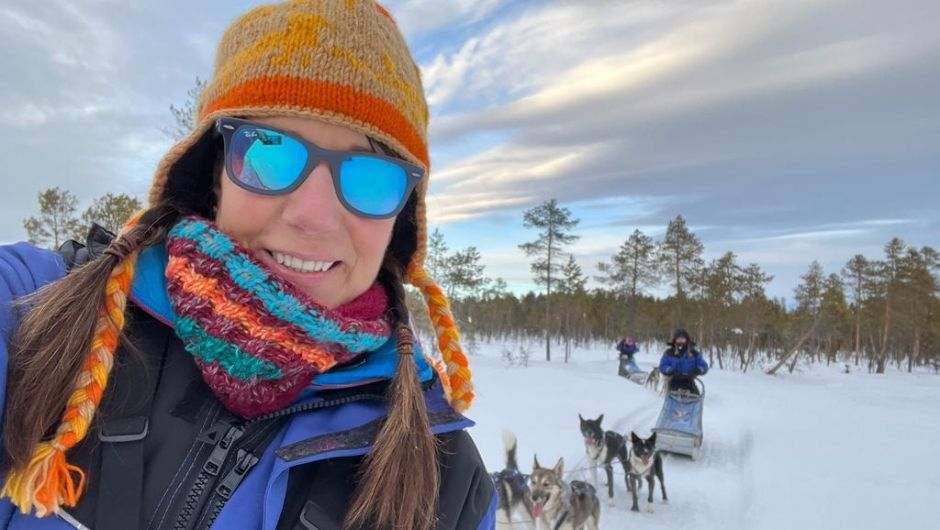
According to our recent Dog Sledding challenger Siân Gillham the key is ‎”Delegate, delegate, delegate! Get your friends and family to help you, its hard work on your own.” And she’s quite right, raising sponsorship money can be a daunting prospect, so get your friends and family involved in braining storming fundraising ideas and helping you out with the groundwork. After all, charity and fundraising is all about putting time and money aside to help people out. Escambray Encounter Challenger Susan Carroll was even able to combine fundraising with socialising – “When I was fundraising for a challenge, I held a dinner party called wine, dine and donate, everybody who came brought a dish and donated a tenner”.

5)      Approach Local businesses

This is an aspect of fundraising that unnerves quite a lot of people, but it really is worth conquering those nerves and remembering that the worse they can do is say no! Charity challenger Kate Jones recommends visiting the all your local shops, “my sisters and I go around our local shops asking if they’d like to donate anything for our fundraising night for st davids hospice. We usually get quite bit!” As it will help give them a good reputation and a bit of publicity, businesses will likely be willing to do something to help you with your fundraising campaign, such as give you items to use to raffle prizes, or let you rent out a space for an event free of charge etc. Getting in touch with local organisation worked really well for upcoming Trek to The Home of the Dalai Lama Challenger Shauna Mullan – “I sent out letters requesting bag packs to all the usual stores & got a lot of support from smaller branches of M&S/tesco.”

6)      Sell stuff

Sometimes you don’t need to look further than your own attic to find a way to raise your minimum sponsorship. So why not do a bit of spring cleaning and put aside some items that you wouldn’t mind parting with. It’s surprising just how much money you can bring in by selling your stuff on ebay or by spending a couple of early mornings at your local Car boot sale.

7)      Organise an event

A great way to fundraise a substantial amount of money is to set up a special event, and the sky’s the limit with what you can do! Challenger Shauna Mullan arranged a Teddy Bears picnic and got her daughters school involved.  Veteran Charity Challenger Jo Buckett organised Race nights (an evening watching video of horse racing, plus betting), pub quizzes are a classic and ‘Zumbathons’ are apparently all the range right now, challenger Marion Baker Was Dance even had the creative idea of setting up and selling tickets for a paranormal ghost hunt! Organising events such as these can be hard work, but they are great fun and can help you raise lots of money and awareness for your charity!

8)      Every little helps

For those of you who just don’t have the time to arrange big events, there are lots of lower key everyday things you do. For challenge veteran Jo Berridge cake baking worked a treat; “I made cakes and took them to work and then conveniently left a sponsorship form next to them. I didn’t ask for donations/sponsorship in exchange for cake but everyone just assumed that was the deal and I raised almost £200! No effort involved other than baking the cakes”. You won’t always raise big money, but it all helps and takes you that one step closer to your fundraising target.

9)      Think big

Don’t be afraid to be think big with regards to your fundraising, Etna Volcanic Adventure  Challenger Rob Sharp wrote to big corporations and a couple of celebrities in his quest for sponsorship, which paid off with a very exciting and mysterious £500 anonymous donation. Don’t be shy of thinking outside the box either. Great Wall Discovery challenger Emma Stanford  had an inspired idea. “We put together a special Cook book! We collected recipes from family, friends,Gary Rhodes and phil vickery. Had our local craft centre for adults with disabilities do the art work. Found a local printer who printed 300 books for free. Sold them all for £3.95 each. Even got some signed by phil and Gary!”

10)  Embrace it

Fundraising as much as you can for your charity is as much part of the charity challenge experience as the challenge itself. So embrace and enjoy it! You may have to take yourself out of your comfort zone and do things you never thought you would or could do, but going above and beyond and achieving something that will not only change your life, but also the doubtless hundreds of lives that your charity effects, is what charity challenge is all about! So work hard for your fundraising and be proud of what you raise.

We hope you found this article useful! To learn more about all our charity challenges,  Please visit our website at www.charitychallenge.com  and to keep up to date on all our challenge news, subscribe to this blog by clicking on the orange RSS button, you can also enter your email address into the adjacent box to subscribe to our mailing list.

Fighting back against organised crime with our Etna Volcanic Adventure’s responsible tourism policy

Sicily is best known for Mt Etna, Europe’s most active and explosive volcano – indeed we regularly take teams of trekkers up there on our Etna Volcanic Adventure, and second most well known for its heritage in Greek mythology and it’s beautiful untouched landscapes.

The third association on the list is not so pleasant. The era of ‘Gangster Rackets’ may seem long past to us, but unfortunately for the people of Sicily it is still very much a reality as around 80 per cent of Sicilian businesses pay up a “pizzo”. “pizzo” is the term used for ‘protection money’ paid by a business to the Mafia, usually coerced and constituting extortion. Businesses that refuse to pay the pizzo may suffer extreme harassment.

In return for the “pizzo”, businesses receive “protection” and can enlist the neighbourhood “Mafiosi” to cut through bureaucracy or resolve disputes with other tradesmen. Collecting the pizzo keeps the Mafia in touch with the community and allows them to “control their territory”.  According to Antimafia police estimates, organized crime collect about €30 billion a year in pizzo, not just in Sicily but in Calabria, Naples and the North.

However, there are organisations out there that are fighting back against the God Father mentality! One such organisation is Addio Pizzo, an anti-racket focussed charity who works to create a new way of thinking for Sicilian entrepreneurs and break the mafia hold. It also looks to protect local companies who may be victims of the Mafia and raises awareness so that more companies and local people in Sicily are not affected by this.

For every trek that we operate, we donate approximately $20 per participant to a local community project to help with education, the environment, or healthcare. So by participating in our Etna Volcanic Adventure; you are making a vital contribution to Addio Pizzo. So by signing up this amazing trek, not only do you get the chance to summit Europe’s most active volcano! You also get to effectively “stick it to the mob”. What more reasons could you need!

To learn more about all our charity challenges, and find out how else we get involved with responsible tourism. Please visit our website at www.charitychallenge.com, and to keep up to date on all our challenge news, subscribe to this blog by clicking on the orange RSS button, you can also enter your email address into the adjacent box to subscribe to our mailing list.

Earth Day – Why not make it every day?

I saw a funny picture on the Internet yesterday. It was an immense tornado circling over Kansas just last week. The caption read ‘A new poll suggests the public feels Global Warming is real’.

Considering that fears about drastic climate change due to the overheating of the planet were first expounded by scientists over 100 years ago, how is it possible that ‘The Public’ have only just realised that this theory is very much a reality? Sunday the 22nd of April 2012 (yesterday)  marked the 42nd anniversary of Earth Day, a celebration designed to educate the world’s population (using the catchy slogan ‘Mobilise the Earth) on the catastrophic effects of climate change and global warming. It is now the biggest civic observance in the world, working hard to convince ‘The Public’ to take their heads out of the sand.

The crew at Earth Day are mobilising billions of people across the world to participate in activities and contribute to their ‘Billion Acts of Green’, which is an amazing way for a regular Joe Bloggs to do anything, something, to make a change. But how far does this go? Are people using Earth Day to make themselves feel better about the rest of the year when they don’t cycle to work, don’t eat locally sourced produce and leave the tap running while washing up?

Perhaps instead of assuaging our guilty consciences by recycling for one day, we should take the time to think about the civic attitudes and environmental concerns that sparked off this global movement in the first place. It isn’t enough simply to say that we will ‘take shorter showers’, or, as I saw in one of the Acts of Green, ‘I will not flush the toilet for a day’. Fair enough, the water saved by doing this is pretty good, particularly if you live in a family of 3 or 4 people. But how sustainable is it? Wouldn’t it be better to, say, install a water-efficient showerhead as a more permanent measure, or instead of shortening your shower by 10 minutes for one day, make the conscious effort to shorten it for a minute or two permanently, saving you up to 150 gallons per month. Good for the water bill as well as the earth!

It’s just too easy to see Earth Day as a day where we can say that we are ‘environmentally conscious’. If you can walk to the shops instead of driving for one day, then why not do it every Sunday? Or every day? We can’t get complacent about this. This is especially true within the travel sector, where long-haul flights are massively detrimental to the environment. These flights are, unfortunately, an unavoidable part of running a tour operating business – this is why at Charity Challenge we have linked up with Climate Care to offset the emissions of the international flights of all our participants. By investing in development projects in areas like energy efficiency, renewable energy sources and forest restoration, we at least know that we are contributing something to the damaging effects that flying has on the environment. For more information on Climate Care and carbon offsetting, please click here.

To help foster understanding on the connection between Earth Day and the Charity Challenge mentality, we need to make all of our clients, charity partners and participants see that responsible tourism is not just a marketing fad for us. A good sustainability program can make a real difference to the planet, and most importantly, it really isn’t difficult to do. We source local guides and use locally produced food, which brings jobs and money into the economy in more than just a fleeting way. We strive to ensure that all the local accommodation used is ‘green’ and not wasteful of water, gas or electricity, and for each and every participant travelling with us, we make a donation to a local project or charity in the country they are visiting. These are just some of the things that we do – to read more on how Charity Challenge support Earth Day every day, and what you can do on your travels to contribute, please read the Responsible Tourism section of our website.

So to summarise, the crux of the matter is this – remember those cute but deadly Polar Bear babies in Frozen Planet? Imagine that the Polar ice melts and takes out Greenland in a deluge of water. No more fluffy bears, or Santa Claus for that matter. The weather in the UK turns weird… no wait, that’s happening already… and the price of fuel goes up. Oh, that one did too. All of these things realistically could and in some cases are happening! It may be too late to prevent it, but we need to try.

Join the global movement by visiting www.earthday.org/2012. And don’t stop there. Try to make Earth Day last EVERY day.

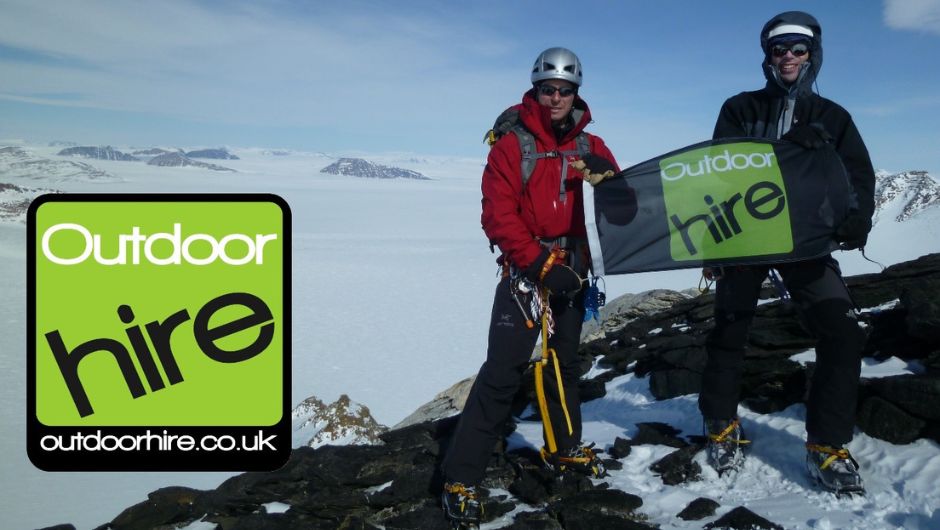
“Enjoy or Endure” – Convenient Kit lists from our friends at Outdoor Hire!

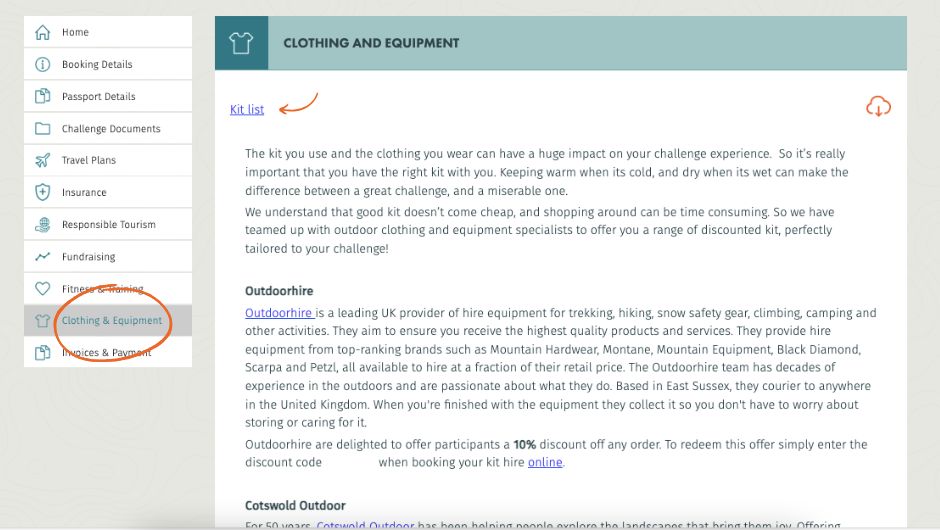
Warm, dry and comfortable will get you a long way on any trip. Avoid the misery of the wet, the cold and the downright uncomfortable by hiring kit fit for the job in hand. Get this right and enjoyment will surely follow.

We find that a lot of our challengers don’t want to spend a ton of money on kit which they may hardly ever use again. So we teamed up with our friends at Outdoor Hire to solve the conundrum by providing top notch kit for hire.

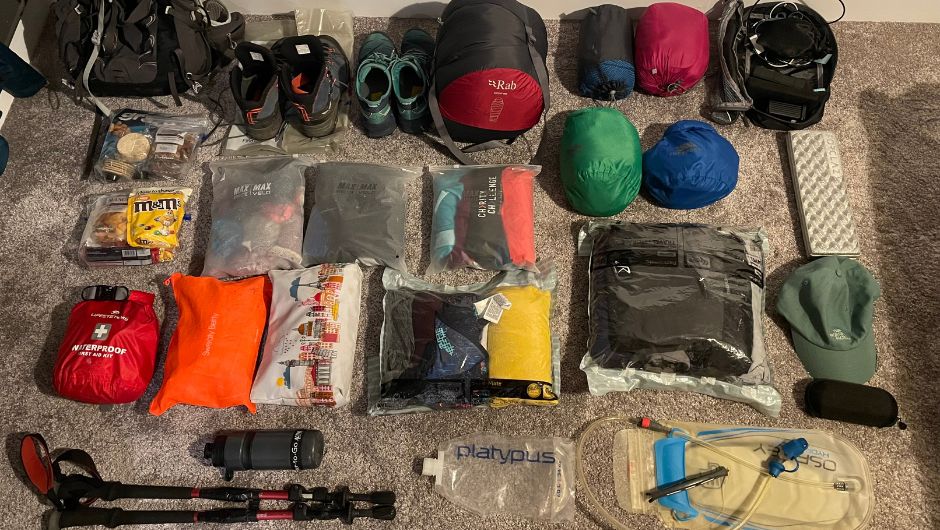
Layer, layer, layer, topped with a well fitted backpack, sleeping bag and mat – no skimping on quality when you hire at a fraction of the cost of buying.

When embarking on an adventurous challenge having the right kit makes a world of difference.

A Fantastic and efficient service, supplies top quality equipment /clothing , and makes once in a life time challenges affordable. I Will be using outdoor hire again!! Jambo Jambo

Dave Fowler, Kilimanjaro Challenger 

Outdoor Hire have also made the whole process easier still by providing up-to-date and challenge specific Kit Lists for every one of our challenges. So whether you’re climbing Kilimanjaro or cycling across Cuba, these Kit lists show you want you need and how much it costs.

http://www.outdoorhire.co.uk/charity-challenge/index.html – check out your Unique Challenge kit list here!!!

Essex to India Rajasthan Bike Ride Part 2 – ‘Onwards to the Pink City’

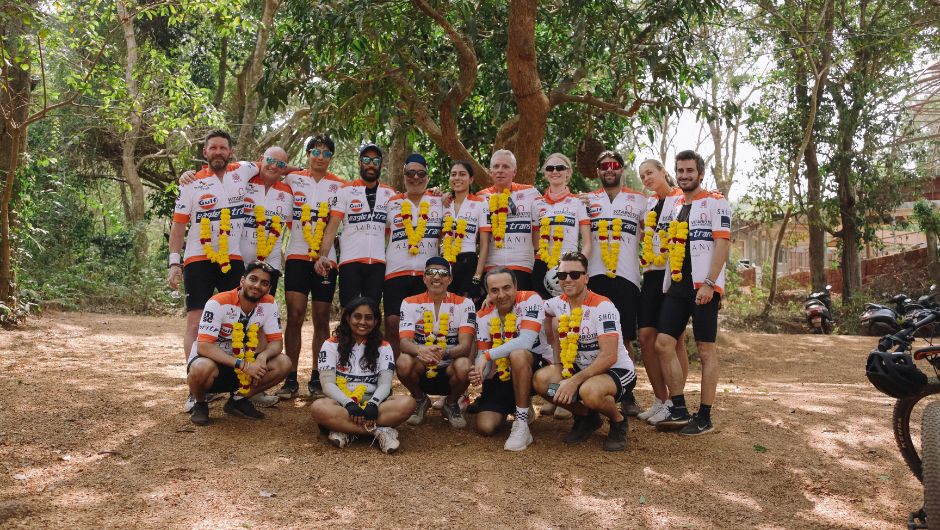
This is the last entry from Trevor Gibbs “Essex2India” 3 blog series, and in this final blog he’s looking back on just what he, Denise Van Outen and Lydia Bright managed to achieve of those epic few days! All fabulous images courtesy of Gareth Gatrell (www.garethgatrell.com)

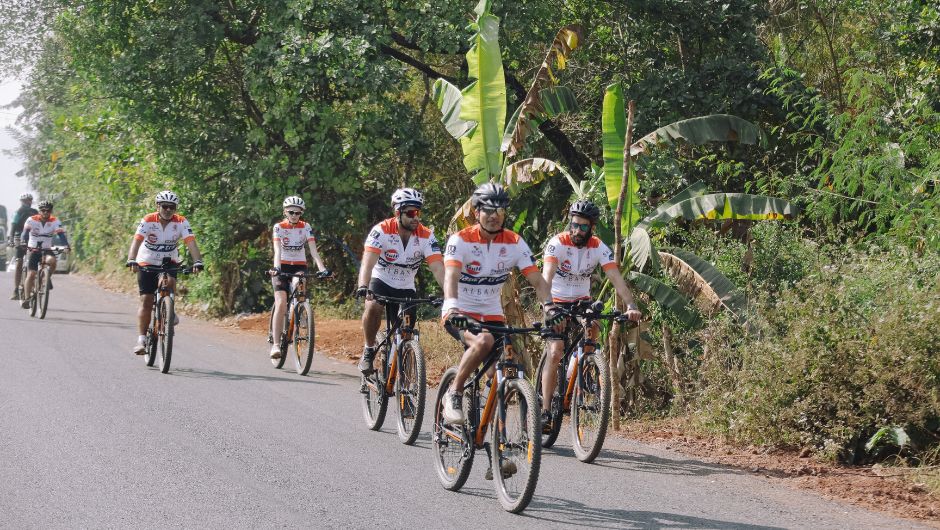
“Extending from ancient ruins of the Mughal Empire, to the golden sands of the Thar Desert, Rajasthan is not without reason known as the ‘Land of Kings’. For centuries the brown hills of the Aravalli ranges provided the backdrop for some of the most opulent excesses of the Rajput princes. This is a land of forts and palaces, shimmering saris and splendid moustaches. A land still steeped in the traditions of the past, and one that warrants more than just a passing glance. Cycling along the meandering back roads provides the perfect way to discover a little of the true spirit of this incredible region. The dusty roads take you through villages filled with excited children and bemused goats, past convoys of camel carts and tree-lined fields where Rajasthan’s rural traditions continue much as they have for generations.

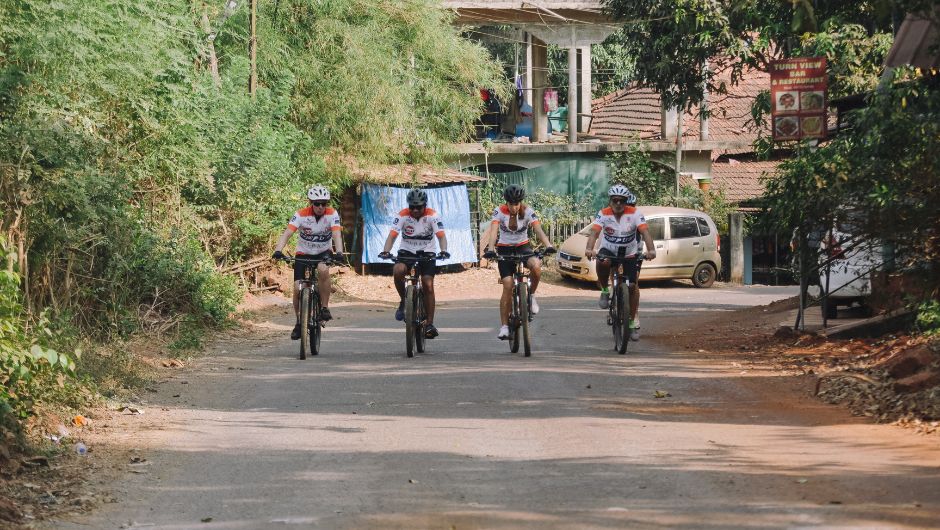
Leaving behind the relative ‘sophistication’ of Agra, the journey took us through a chaotic maze of rickshaws, motorbikes and buses and out onto the highway that led west, towards the remarkable ghost city of Fatehpur Sikri and from there onto Bharatpur and the Keoladeo National Park. As the riding days became more challenging, so did the road surface, as tarmac gave way to potholes and potholes gave way to gravel. Herds of goats became a daily congestion problem and the deeper we headed into Rajasthan, the more our presence became an object of curiosity. Children were an ever-present distraction at drink stops and the incredulous looks that greeted us from beneath aged turbans testified to just how few tourists travel this route.

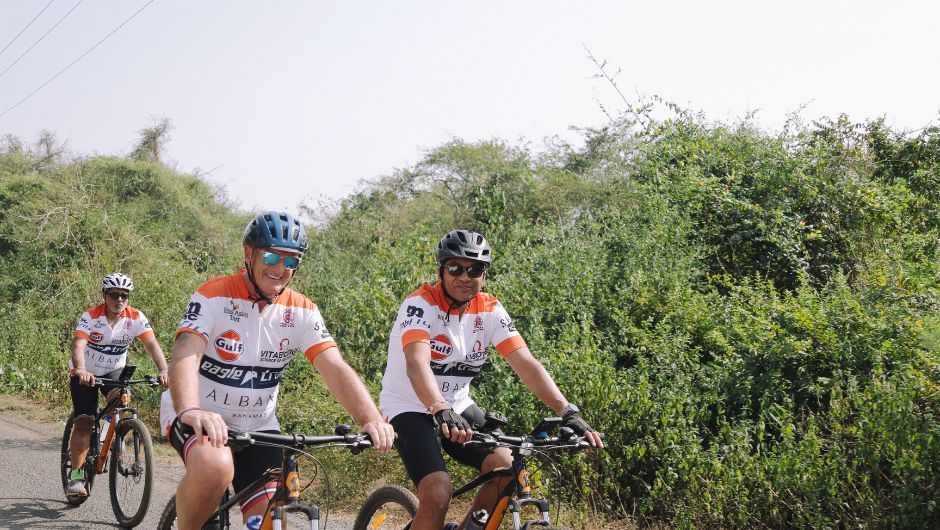
Muscles began to ache with more intensity as the kilometres fell away. Keoladeo gave way to Karauli, which in turn gave way to Ranthambore. We came across monkeys playing beside the road and enjoyed the hospitality of maharajahs and maharanis. We went in search of tigers and found a world far removed from our everyday lives. There was colour everywhere and, even through the dirt and the poverty, there were smiles in abundance. The end of the road came at a place called Ramgarh, just on the outskirts of Jaipur, where the palpable relief was made all the more welcome by the added attractions of a traditional Rajasthani band, a pantomime horse and a well deserved glass of champagne.

We had covered over 420 kilometres, travelling in temperatures of nearly 40 degrees centigrade. The roads had, in some places, tested bikes and butts to the limit, but the girls had made it and, as they watched their bikes being packed away for the last time, thoughts turned to the next challenge…”

To find out more about Trevor and his adventures, please visit his website at www.agamaconsultants.co.uk.

To learn more about our Rajasthan Tiger Challenge, and all the treks that we offer, please visit our website at www.charitychallenge.com . To keep up to date on all our challenge news, subscribe to this blog by clicking on the orange RSS button, you can also enter your email address into the adjacent box to subscribe to our mailing list.